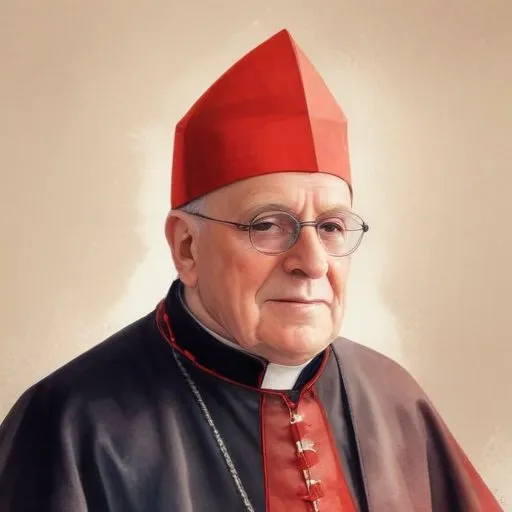
Walter Kasper: A Champion of Ecumenism and Theological Progress
A Life Dedicated to Christian Unity
Walter Kasper is a renowned German Catholic cardinal and theologian, best known for his tireless efforts to promote Christian unity and foster dialogue between different Christian denominations. As the former President of the Pontifical Council for Promoting Christian Unity, Kasper played a crucial role in shaping the Catholic Church's approach to ecumenism and interfaith dialogue.
Early Life and Education
Born on March 5, 1933, in Heidenheim an der Brenz, Germany, Kasper was ordained a priest on April 6, 1957. He went on to earn a doctorate in dogmatic theology from the University of Tübingen, where he later became a faculty member and worked alongside prominent theologians such as
Hans Küng.
Academic Career and Contributions
Kasper's academic career spanned several decades, during which he taught dogmatic theology at the University of Münster and later became the dean of the theological faculty in Tübingen. He also served as editor of the Lexikon für Theologie und Kirche, a seminal theological encyclopedia. As a visiting professor at The Catholic University of America in 1983, Kasper shared his expertise with a wider audience.
Key Publications and Contributions
- Jesus the Christ, a comprehensive theological work that explores the nature of Jesus Christ and its implications for Christian theology.
- The God of Jesus Christ, a seminal work that examines the concept of God in Christian theology.
- Harvesting the Fruits, a collection of essays that reflect on the ecumenical movement and its significance for Christian unity.
Episcopal Ministry and Ecumenical Dialogue
Kasper's episcopal ministry began in 1989, when he was appointed Bishop of Rottenburg-Stuttgart. In this role, he worked tirelessly to promote Christian unity, engaging in dialogue with Lutherans, Anglicans, and Orthodox Christians. As co-chair of the International Commission for Lutheran-Catholic Dialogue, Kasper played a key role in shaping the Catholic Church's approach to ecumenism.
Elevation to the Cardinalate and Later Life
On February 21, 2001,
Pope John Paul II elevated Kasper to the cardinalate, appointing him Cardinal-Deacon of Ognissanti in Via Appia Nuova. As President Emeritus of the Pontifical Council for Promoting Christian Unity, Kasper continues to serve as a prominent voice for Christian unity and ecumenical dialogue.
Legacy and Impact
Walter Kasper's life and work have had a profound impact on the Catholic Church and the broader Christian community. Through his tireless efforts to promote ecumenism and interfaith dialogue, Kasper has helped to foster greater understanding and cooperation between different Christian denominations. As a champion of Christian unity, Kasper's legacy serves as a powerful testament to the enduring power of faith and the importance of working towards a more unified Christian community.
FAQ
What is the theological career of Walter Kasper?
Walter Kasper is a German cardinal and theologian who has played a significant role in the Catholic Church, serving as the President of the Pontifical Council for Promoting Christian Unity.
What are the notable writings of Walter Kasper?
Walter Kasper has written numerous books and articles on theology and ecumenism, including Jesus the Christ and Theology and Church, which have been widely read and respected.
What is Walter Kaspers approach to ecumenism?
Walter Kasper is known for his commitment to Christian unity and his efforts to promote dialogue and understanding between different Christian denominations and faiths.
What are the awards and honors received by Walter Kasper?
Walter Kasper has received numerous awards and honors for his contributions to theology and ecumenism, including the Knight Grand Cross of the Order of Merit of the Federal Republic of Germany.
What is Walter Kaspers legacy in the Catholic Church?
Walter Kaspers work has had a significant impact on the Catholic Church, promoting greater understanding and unity among Christians and contributing to the development of Catholic theology.