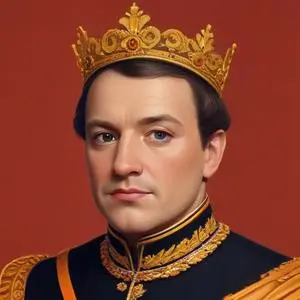
William I of Orange: The Father of the Netherlands
A Champion of Dutch Independence
William I of Orange, also known as William the Silent, is renowned for his pivotal role in the Dutch Revolt against Spanish rule, ultimately leading to the formation of the Netherlands as an independent nation. This fearless leader and skilled politician is celebrated for his unwavering dedication to the cause of Dutch freedom, earning him the respect and admiration of his people.
Early Life and Education
Born on April 24, 1533, in Dillenburg, Germany, William was the eldest son of Count William of Nassau and
Juliana of Stolberg. He was raised in a Protestant household and received an education that emphasized the importance of languages, literature, and politics. William's family ties to the Nassau and Orange dynasties would later prove significant in his rise to prominence.
Rise to Prominence
In 1559, William became the Stadtholder of Holland, Zeeland, and Utrecht, marking the beginning of his involvement in Dutch politics. He soon became a vocal critic of Spanish rule, particularly the harsh policies of King
Philip II. William's growing popularity and influence eventually led to his election as the leader of the Dutch Revolt in 1566.
Philosophical Contributions and Beliefs
William's beliefs were shaped by his Protestant upbringing and his commitment to the principles of liberty and democracy. He advocated for the separation of church and state, religious tolerance, and the protection of individual rights. These ideals continue to influence Dutch politics and society to this day.
Personal Milestones and Key Life Events
- In 1561, William married Anne of Egmond, with whom he had three children.
- In 1567, he married Anna of Saxony, with whom he had five children.
- In 1584, William was assassinated in Delft by Balthasar Gérard, a French Catholic and supporter of Philip II.
Influence on Modern Society
William's legacy extends far beyond his role in the Dutch Revolt. He is revered as a champion of freedom, tolerance, and democracy, inspiring countless individuals throughout history. The Netherlands, as a nation, owes its existence to William's courage and vision.
Quotes and Memorable Sayings
- "Better to die than to be a slave."
- "I will not be intimidated, and I will not be deterred."
Historical Context and Legacy
William's fight for Dutch independence took place during a time of great upheaval in Europe, marked by the Protestant Reformation and the rise of nation-states. His leadership and sacrifice paved the way for the Netherlands to become a beacon of tolerance and democracy, earning him a revered place in Dutch history.
Comparative Analysis with Contemporaries
William's contemporaries, including
Martin Luther and
John Calvin, shared his commitment to Protestantism and the struggle against oppressive regimes. However, William's unique blend of political acumen, military leadership, and unwavering dedication to his people set him apart as a truly exceptional figure of his time.
Personal Relationships and Anecdotes
William's relationships with his wives, Anne and Anna, were marked by love, loyalty, and mutual support. He was known for his charisma and ability to inspire loyalty in his followers, many of whom were willing to risk their lives for the cause of Dutch freedom.
Impact on Their Field
William's military campaigns and strategic alliances with other European powers laid the foundation for the Netherlands' emergence as a major nation-state. His influence can be seen in the country's modern military, diplomatic, and economic institutions.
Awards and Honors
- William I of Orange is celebrated as the national hero of the Netherlands.
- A bronze statue of William stands in the city center of Delft, commemorating the site of his assassination.
Charitable Work and Social Contributions
William's dedication to the welfare of his people extended beyond the realm of politics. He supported various charitable initiatives, including the establishment of hospitals and orphanages, demonstrating his commitment to the well-being of the Dutch people.
Inspirational Stories and Motivations
William's courage, perseverance, and selflessness continue to inspire people around the world. His unwavering commitment to his people and his principles serves as a powerful reminder of the importance of standing up against oppression and fighting for freedom and justice.