


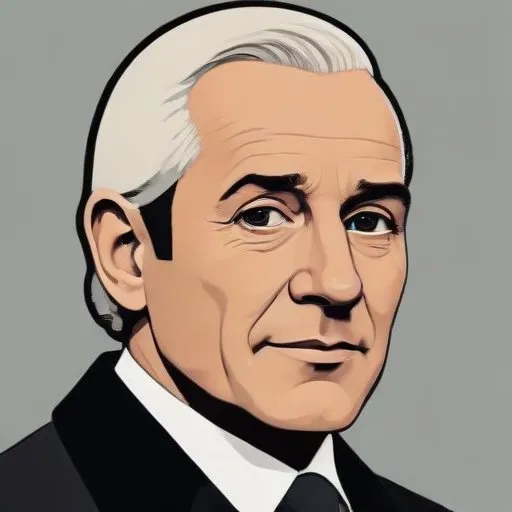
Pioneering surgeon who performed the first successful ovariotomy in the US, and later served as a US Representative from Ohio.
William Mason, a prominent American physician and politician, left an indelible mark on the country's history, serving as a United States representative from New York from 1835 to 1837. During his tenure, he championed various causes, earning him recognition as a dedicated public servant.
Born on September 10, 1786, in Lebanon, Connecticut, Mason's early life was marked by a strong inclination towards medicine. He pursued his passion by studying medicine in Vermont, eventually practicing in Preston, New York.
Mason's foray into politics began when he served as a clerk of Chenango County in 1820-1821. This stint was followed by his election as a member of the New York State Assembly in 1821 and 1822. His dedication to public service earned him a reputation as a capable leader, paving the way for his later accomplishments.
In 1835, Mason was elected as a Jacksonian to the 24th United States Congress, serving until 1837. During his time in Congress, he worked tirelessly to address the pressing issues of his era, leaving a lasting impact on American politics.
In addition to his political pursuits, Mason also served as a surgeon of the Chenango County Company, New York Volunteers, in 1812, demonstrating his commitment to his country during times of conflict.
William Mason passed away on January 13, 1860, in Norwich, New York, leaving behind a legacy of public service and dedication to his country. He was laid to rest in Mount Hope Cemetery, a testament to his enduring impact on American history.
William Mason's contributions to American politics, medicine, and the military have left an indelible mark on the country's history. His commitment to public service and his unwavering dedication to his country serve as a testament to his enduring legacy, inspiring generations to come.
Born in 1743
The principal author of the Declaration of Independence and a strong advocate for individual liberties and limited government, shaping America's foundational principles. He oversaw the Louisiana Purchase, doubling the country's territory.
79 Years Old
A Pulitzer Prize-winning composer, known for blending minimalism with complex rhythms, creating a unique sound that resonates with audiences worldwide.
Born in 1751
The 4th President of the United States, often referred to as the "Father of the Constitution," played a crucial role in drafting the US Constitution and Bill of Rights, shaping the country's government and laws. He was a strong advocate for individual liberties and limited government power.
Born in 1758
The 5th President of the United States was a skilled military leader and statesman who oversaw the acquisition of Florida from Spain and issued the Monroe Doctrine, a policy of opposing European colonization in the Americas. He is also known for being the last of the Founding Fathers to hold the presidency.
Born in 1767
A fiery leader who expanded democracy and shaped the country's economy, known for his populist policies and controversial decisions, including the forced relocation of Native Americans.
Born in 1777
A skilled orator and compromiser who played a crucial role in shaping the country's early development, particularly through his "American System" economic plan. He's also known for his numerous presidential bids and influential leadership in the Senate.
Born in 1782
A renowned lawyer and politician who served as the 14th United States Secretary of State, known for his exceptional oratory skills and influential role in shaping the country's early development.
Born in 1782
A prominent figure in American politics, serving as Vice President and advocating for states' rights, particularly in regards to slavery. He played a significant role in shaping the country's early development.
