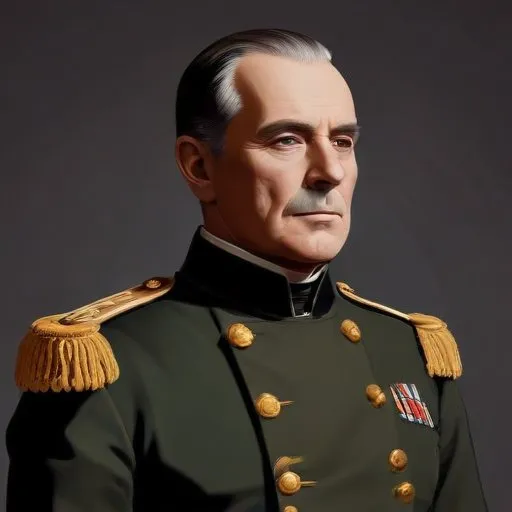
William Maxson: A Life of Valor and Service
A Decorated War Hero and Air Force Leader
William Maxson, a renowned American Air Force Major General, vice commander of the 15th Air Force, Strategic Air Command, at March Air Force Base, California, is best known for his bravery and exceptional leadership during the Vietnam War. With an impressive record of completing over 270 combat objectives, Maxson's unwavering dedication to his country earned him a plethora of esteemed awards and decorations.
Early Life and Military Career
Born on September 4, 1930, in Ohio, Maxson's path to military greatness was paved early on. His remarkable career spanned several decades, with milestones including his role as vice commander of the 15th Air Force and his leadership in the Strategic Air Command.
Heroism and Honors
Maxson's illustrious career was marked by numerous accolades, including the prestigious Silver Star Medal, two Air Force Distinguished Service Medals (AFDSMs), three Legions of Merit, the Distinguished Service Medal (DSM), and the Distinguished Flying Cross (DFC). These honors, coupled with an impressive 15 additional Air Force medal awards, cemented Maxson's status as a true American hero.
The Vietnam War and Its Impact
Maxson's service during the Vietnam War was nothing short of remarkable. His unwavering courage and tactical prowess in the face of adversity made him a respected leader among his peers. Completing over 270 combat objectives, Maxson's actions had a profound impact on the war effort, earning him a special place in the annals of American military history.
Post-Military Life and Legacy
After retiring from the Air Force in 1984, Maxson continued to lead a life of service, leaving an indelible mark on his community. He passed away on January 3, 2013, at the age of 82, surrounded by his loving family, including his wife Nancy, daughter Suzanne Maltz, son Robert Maxson (a former American military captain), four grandsons, and two granddaughters.
Personal Reflections and Tributes
Those who knew Maxson personally remembered him as a devoted family man, a consummate leader, and a true patriot. His legacy extends far beyond his impressive military career, inspiring future generations to follow in his footsteps.
Memorable Quotes and Sayings
Though not much is known about Maxson's personal quotes or sayings, his actions and achievements serve as a testament to his unwavering dedication to his country and fellow servicemen. His remarkable life serves as a beacon of inspiration for all who aspire to make a difference.
Timeline of Milestones
- September 4, 1930: Born in Ohio
- Vietnam War: Completed over 270 combat objectives
- Retired from the Air Force in 1984
- January 3, 2013: Passed away at the age of 82
Final Salute to a True American Hero
William Maxson's remarkable life of service, courage, and leadership serves as a shining example of American valor. His selfless dedication to his country, his unwavering bravery in the face of adversity, and his inspiring legacy continue to inspire generations to come.
FAQ
What was William Maxsons military career like?
William Maxson was a decorated American general, serving in both World War I and World War II. He commanded the 7th Infantry Division during the Battle of Okinawa.
What awards did William Maxson receive for his service?
William Maxson received several awards for his service, including the Distinguished Service Medal, the Legion of Merit, and the Bronze Star Medal.
What was William Maxsons role in the development of the United States Army?
William Maxson played a key role in the development of the United States Army, serving as a staff officer and later as a division commander, where he oversaw the training and deployment of troops.
How did William Maxsons experiences shape his approach to leadership?
William Maxsons experiences during World War I and World War II shaped his approach to leadership, emphasizing the importance of adaptability, teamwork, and strategic thinking.
How does William Maxsons legacy impact modern military leadership?
William Maxsons legacy continues to influence modern military leadership, with his emphasis on leadership by example, teamwork, and strategic thinking serving as a model for military leaders around the world.