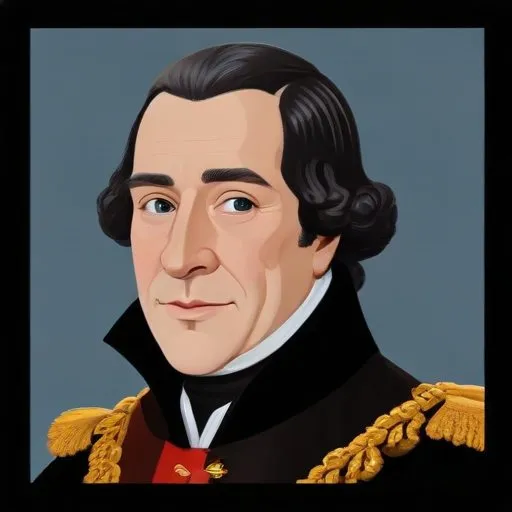
Sir William More: The Perfect Elizabethan Country Gentleman
A Pillar of the Community
Sir William More, born on January 30, 1520, is best known for his impeccable character and dedication to public service. As a Protestant sympathizer, he played a significant role in the local administration of Surrey and the enforcement of the Elizabethan religious settlement, earning him the title of the perfect Elizabethan country gentleman.
William More was the son of Sir Christopher More, Kings Remembrancer of the Exchequer, and his first wife Margaret, daughter of Walter Mugge or Mudge of Guildford, Surrey. He was the grandson of John More, a London citizen and Fishmonger, and his wife Elizabeth. After his mother's death, his father married Constance Sackville, daughter of Richard Sackville, but there were no issue from this second marriage.
William had four brothers: Richard, two brothers named Christopher, and John, all of whom died without issue. He also had seven sisters:
- Elizabeth
- Cecily
- Margaret, who married Thomas Fiennes, brother of the Lord Dacre
- Eleanor, who married her stepbrother William Heneage
- Bridget, who married a husband surnamed Compton, of Guernsey
- Anne, who married John Scarlett
- Elizabeth, who married John Wintershall or Wintershull
William's political career began early, and he was elected to the Parliament of England in 1545. He served as Sheriff and Vice-Admiral of Surrey, actively involved in local administration and the enforcement of the Elizabethan religious settlement. He was a member of every Parliament during the reign of Queen Elizabeth I, earning him a reputation for his assiduity and efficiency in service.
The great house at Loseley Park was built for William More, which is still the residence of the More Molyneux family to this day. He was also the owner of property in the Blackfriars, where the first and second Blackfriars theatres were erected.
Sir William More's legacy is that of a dedicated public servant, a true embodiment of the perfect Elizabethan country gentleman. His impeccable character, efficiency, and assiduity in service have left a lasting impact on the community, earning him a revered place in history.
William More's life is a testament to the importance of dedication, hard work, and public service. His commitment to his community and his country is an inspiration to us all, and his legacy continues to inspire generations to come.
FAQ
What was William Mores role in the English court?
William More was a prominent English courtier who served as a Gentleman of the Privy Chamber to King James I of England. He was known for his loyalty and dedication to the monarch, and played a significant role in the royal court during the early 17th century.
How did William More contribute to the English Renaissance?
William More was a patron of the arts and literature, and his court position allowed him to support many prominent writers and artists of the English Renaissance. He was a friend and patron of the poet Ben Jonson, and his influence helped to promote the works of William Shakespeare.
What was William Mores relationship with King James I?
William More enjoyed a close and trusted relationship with King James I, serving as one of the kings most loyal and trusted advisors. He was often called upon to perform special tasks and missions for the monarch, and his loyalty was rewarded with numerous honors and titles.
What legacy did William More leave behind?
William Mores legacy is one of loyalty, dedication, and patronage. He played a significant role in promoting the arts and literature during the English Renaissance, and his influence can still be seen in the works of many prominent writers and artists of the time.
Where did William More live and work?
William More lived and worked primarily in London, where he maintained a residence and was actively involved in the royal court. He was also known to have owned property in other parts of England, including a country estate in Kent.