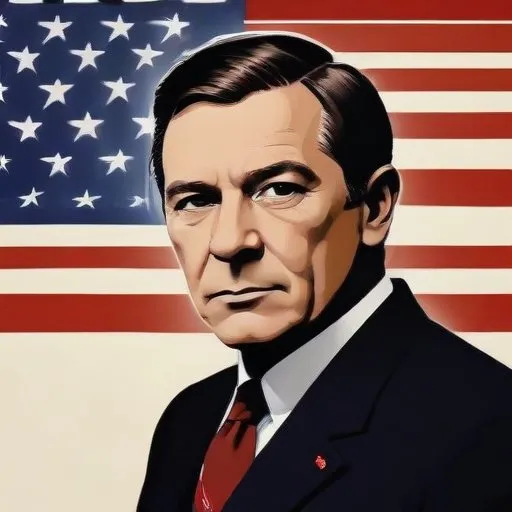
William P. Rogers: The Diplomat and Statesman
A Lifetime of Public Service
William P. Rogers is best known for his distinguished career as a diplomat and statesman, serving as the 55th Secretary of State of the United States from 1969 to 1973, and as the 63rd Attorney General of the United States from 1957 to 1961. Throughout his life, Rogers played a crucial role in shaping American foreign policy and leaving a lasting impact on the nation.
Early Life and Education
Born on June 23, 1913, in Norfolk, New York, Rogers was raised by his grandparents in Canton, New York, after the death of his mother. He attended Colgate University, where he was initiated into the Sigma Chi fraternity, and later graduated from Cornell Law School in 1937, earning his LL.B. degree.
Early Career
After serving as an attorney for a Wall Street law firm, Rogers became an assistant district attorney in 1938, working under District Attorney
Thomas E. Dewey to combat organized crime in New York City. During World War II, Rogers joined the Navy, serving on the USS Intrepid, including action in the Battle of Okinawa, and achieving the rank of lieutenant commander.
Political Career
After the war, Rogers joined the United States Congress as a committee counsel, where he examined documentation from the House Un-American Activities Committee's investigation of
Alger Hiss, advising Representative Richard M. Nixon that Hiss had lied. This marked the beginning of a long-standing association between Rogers and Nixon, which would shape his future political career.
Deputy Attorney General and Attorney General
In 1953, Rogers was appointed as the 4th Deputy Attorney General of the United States, serving under Attorney General Herbert Brownell Jr. He later succeeded Brownell as the 63rd Attorney General of the United States, serving from 1957 to 1961, during the administration of Dwight D. Eisenhower.
Secretary of State
In 1969, Rogers was appointed as the 55th Secretary of State by President
Richard Nixon, a position he held until 1973. During his tenure, Rogers played a key role in shaping American foreign policy, particularly with regards to the Soviet Union and the Middle East.
Legacy and Impact
Throughout his life, William P. Rogers demonstrated a deep commitment to public service, earning a reputation as a skilled diplomat and statesman. His legacy extends beyond his many achievements in government, inspiring future generations of leaders and policymakers.
Personal Milestones and Key Life Events
- 1937: Graduated from Cornell Law School with LL.B. degree
- 1942: Joined the United States Navy during World War II
- 1953: Appointed as Deputy Attorney General of the United States
- 1957: Became the 63rd Attorney General of the United States
- 1969: Appointed as the 55th Secretary of State
- 2001: Passed away on January 2, at the age of 87
Awards and Honors
William P. Rogers received numerous awards and honors for his service, including the Presidential Medal of Freedom, the highest civilian honor in the United States.
FAQ
What were William P. Rogers major accomplishments as Secretary of State?
William P. Rogers served as the 55th United States Secretary of State from 1969 to 1973, and his major accomplishments include negotiating the Strategic Arms Limitation Talks (SALT) with the Soviet Union and helping to establish diplomatic relations with China.
What was William P. Rogers role in the Nixon Administration?
William P. Rogers played a key role in the Nixon Administration, serving as Secretary of State and providing counsel to President Nixon on foreign policy matters. He was known for his moderate views and played a crucial role in shaping the administrations foreign policy agenda.
What were William P. Rogers views on international relations?
William P. Rogers was a strong advocate for international cooperation and diplomacy. He believed in the importance of building strong relationships with other nations and was a proponent of détente with the Soviet Union.
What was William P. Rogers background before entering politics?
Before entering politics, William P. Rogers was a lawyer and served in the United States Navy during World War II. He later became a partner in a law firm and was involved in several business ventures.
How did William P. Rogers experience as a lawyer influence his political career?
William P. Rogers experience as a lawyer influenced his political career by providing him with strong analytical and negotiation skills, which served him well in his roles as Secretary of State and diplomat. His legal background also helped him to navigate complex international agreements and treaties.