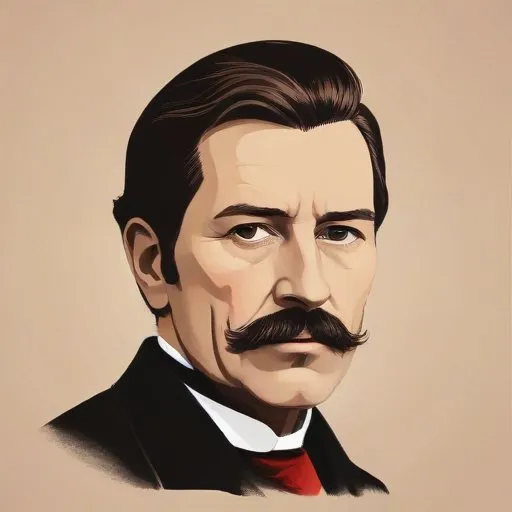
William Rosecrans: The Unyielding Union General
A Brilliant yet Controversial Commander
William Rosecrans was a renowned American inventor, diplomat, politician, and U.S. Army officer who etched his name in the annals of history as a prominent Union general during the American Civil War. His military prowess and strategic genius led to several crucial victories, earning him fame and recognition in the Western theater of the war.
Early Life and Education
Born on September 6, 1819, in Kingston Township, Ohio, Rosecrans graduated from the United States Military Academy in 1842. During his time at West Point, he excelled academically, developing a strong foundation in mathematics and engineering. Upon graduation, he served in various engineering assignments and later became a professor at the academy.
Pre-Civil War Career
Before the outbreak of the Civil War, Rosecrans pursued a career in civil engineering, working on several projects, including the design of the Cheat River Bridge in Virginia. His experience in the field eventually led him to become an executive in a coal oil company.
Military Career and Civil War
When the Civil War broke out, Rosecrans returned to military service, leading troops from Ohio and achieving early combat success in western Virginia. His leadership skills and tactical acumen earned him recognition, and he was eventually appointed as a brigadier general in 1861.
Rosecrans' most notable achievements during the war include:
- Victory at the Battle of Iuka (1862)
- Victory at the Second Battle of Corinth (1862)
- Brilliant Tullahoma campaign, driving the Confederates from Middle Tennessee (1863)
- Forcing Confederate general Braxton Bragg to abandon the critical city of Chattanooga, Tennessee (1863)
However, his military career was not without controversy. His brusque and outspoken manner often led to clashes with his superiors, including Maj. Gen.
Ulysses S. Grant and Secretary of War Edwin M. Stanton. These disputes ultimately contributed to his downfall, particularly during the Battle of Chickamauga, where his unfortunately worded order led to a gap in the Union line and a subsequent defeat. He was relieved of command by Grant after the battle.
Post-Civil War and Later Life
After the war, Rosecrans served in various diplomatic and political positions, including as the Minister to Mexico from 1868 to 1869. In 1880, he was elected to Congress, representing California, and served until 1885.
Throughout his life, Rosecrans was known for his inventiveness, holding several patents for inventions related to river navigation and mining. He passed away on March 11, 1898, leaving behind a legacy as a brilliant yet controversial commander whose contributions to the Union war effort remain unforgettable.
Legacy and Impact
Rosecrans' military career, though marked by controversy, highlights his unwavering dedication to the Union cause. His victories in the Western theater significantly contributed to the ultimate defeat of the Confederacy. As a testament to his legacy, Rosecrans' name has been immortalized in various monuments, memorials, and historical landmarks across the United States.
Today, William Rosecrans is remembered as a complex figure, whose strengths as a military leader were often overshadowed by his personal struggles and conflicts with his superiors. Nevertheless, his contributions to American history remain undeniable, solidifying his place as one of the most fascinating and enigmatic figures of the American Civil War era.
FAQ
What was William Rosecranss military career like?
William Rosecrans was an American general and politician who served in the Union Army during the American Civil War. He played a key role in several important battles, including the Battle of Stones River.
What was William Rosecranss relationship with the Union?
Rosecrans was a strong supporter of the Union and served as a general in the Union Army. He was known for his bravery and tactical skills on the battlefield.
What were William Rosecranss accomplishments as a military strategist?
Rosecrans was a skilled military strategist who played a key role in several important battles. He was known for his ability to adapt to changing circumstances and make quick decisions on the battlefield.
What was William Rosecranss post-war life like?
After the war, Rosecrans served as a diplomat and politician, including a stint as the United States Ambassador to Mexico.
What is William Rosecranss legacy in American history?
Rosecrans is remembered as a brave and skilled military leader who played a significant role in the American Civil War. He is still studied by historians and military strategists today.