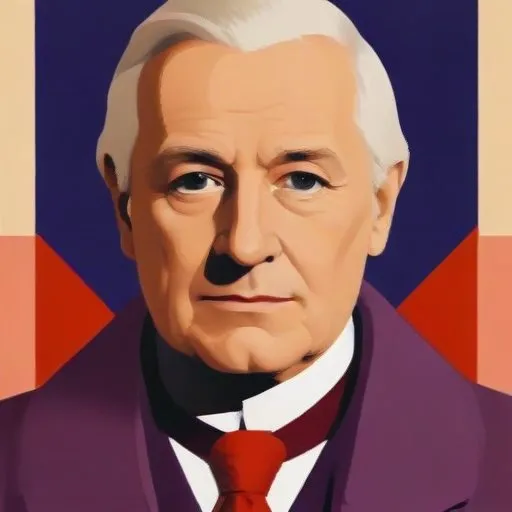
William Talbot, 1st Earl Talbot: The Maverick Whig Politician
A Life of Opposition and Independence
William Talbot, 1st Earl Talbot, was a prominent Whig politician in 18th-century England, known for his unwavering commitment to the opposition cause and his unapologetic independence in politics. Throughout his career, Talbot defied party lines and allegiance, earning him a reputation as a true Whig and a champion of reform.
Early Life and Education
Born on May 16, 1710, in Worcester, England, Talbot was the eldest surviving son of Charles Talbot, later Baron Talbot, and Cecil Matthew. He received his education at Eton from 1725 to 1728 and later matriculated at Exeter College, Oxford, on January 23, 1727. Talbot's academic pursuits continued at Lincoln's Inn in 1728, where he was created a Doctor of Civil Law (DCL) on June 12, 1736.
The Rise of a Whig Politician
Talbot's entry into politics began in 1734, when he was elected as a Member of Parliament (MP) for Glamorganshire, a constituency previously dominated by Tory peers. He succeeded outgoing Tory MP Sir Charles Kemeys, marking a significant shift in the region's political landscape. Talbot's victory was a testament to his family's influence and his own commitment to the Whig cause.
Opposition and Independence
In the House of Commons, Talbot aligned himself with the Opposition Whigs, led by William Pulteney, and opposed
Robert Walpole's ministry. He considered himself a "real Whig," uncompromising in his beliefs and willing to challenge the status quo. Talbot's independence in politics earned him respect from his contemporaries, who saw him as a refreshing alternative to the traditional party lines.
Awards and Honors
Talbot's dedication to the Whig cause was recognized by King George II, who appointed him Lord Steward of the Household in 1761. This prestigious position solidified Talbot's position as a prominent figure in British politics.
Personal Milestones and Key Life Events
- 1734: Elected MP for Glamorganshire, marking a significant shift in the region's political landscape.
- 1736: Created a Doctor of Civil Law (DCL) at Exeter College, Oxford.
- 1761: Appointed Lord Steward of the Household by King George II.
- 1782: Passed away on April 27, leaving a legacy as a champion of reform and a true Whig politician.
Legacy and Impact
William Talbot, 1st Earl Talbot, left an indelible mark on British politics. His unwavering commitment to the opposition cause and his unapologetic independence in politics inspired a generation of Whig politicians. Talbot's legacy extends beyond his own accomplishments, influencing the course of British history and cementing his place as a champion of reform.
FAQ
What was William Talbots role in politics?
William Talbot, 1st Earl Talbot, was an English politician who served as Lord Steward of the Household under King George II. He played a key role in the British government, advising the king on matters of state and policy.
What was William Talbots relationship with King George II?
William Talbot was a close advisor and friend of King George II. He served as Lord Steward of the Household, a position that gave him significant influence over royal policy and decision-making.
What was William Talbots contribution to British politics?
William Talbot made a significant contribution to British politics through his service as Lord Steward of the Household. He played a key role in advising the king and shaping royal policy during a period of significant change and reform.
What is William Talbots legacy in British history?
William Talbots legacy in British history is as a skilled politician and advisor who served with distinction during a period of significant change and reform. He played a key role in shaping royal policy and advising the king.
How did William Talbot rise to prominence?
William Talbot rose to prominence through his service to the British government, initially as a member of parliament and later as Lord Steward of the Household. His skills and experience earned him the trust and respect of King George II, who relied on him for advice and guidance.