


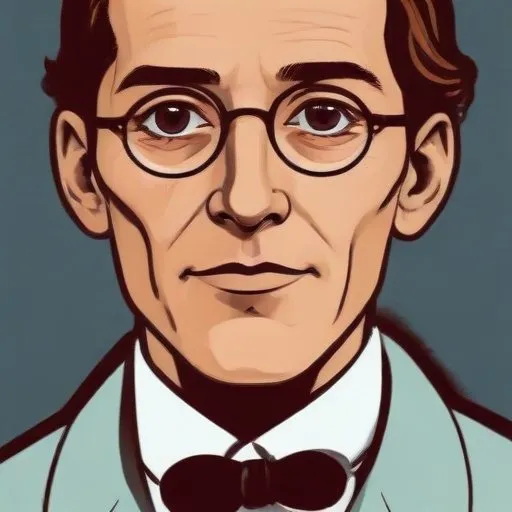
A prominent figure in the development of chemistry, particularly in the discovery of potassium and sodium, and a pioneer in the field of electrochemistry.
William Thomas Brande is renowned for his groundbreaking research on the measurement of alcohol in fermented drinks, revolutionizing the understanding of the brewing and distillation process. His work laid the foundation for the temperance movement, shattering long-held beliefs about the toxicity of spirits and the wholesomeness of wine and beer.
Born on January 11, 1788, in Arlington Street, London, England, Brande was the youngest of six children to Augustus Everard Brande, an apothecary of German descent. He received his education in Kensington and Westminster, before being apprenticed to his brother, an apothecary, with the aim of pursuing a career in medicine.
A chance meeting with the esteemed chemist Humphry Davy sparked Brande's interest in chemistry, leading him to divert from his medical studies. He delved into the world of chemistry, acquiring a deep understanding of the subject in his spare time.
In 1811, Brande published two influential articles on the measurement of alcohol in fermented drinks, including wine, cider, and ale. This breakthrough discovery enabled chemists to measure alcohol in fermented drinks from the start, debunking the notion that spirits were toxic while wine and beer were wholesome.
In 1821, he successfully isolated the element lithium through electrolysis of lithium oxide, becoming the first to achieve this feat.
Beyond his research, Brande held various academic and professional positions, including:
Professor of chemistry to the Apothecaries Society in 1812
Delivering lectures before the Board of Agriculture in place of Sir Humphry Davy
Succeeding Sir Humphry Davy as the chair of chemistry at the Royal Institution, London in 1813
Superintendent of the Coining and Die Department at the Royal Mint from approximately 1823 onwards
Brannde's work had far-reaching implications for the temperance movement, influencing the public perception of alcohol consumption. His research also contributed significantly to the development of chemistry, paving the way for future scientific breakthroughs.
Brannde lived a life of dedication to his work, passing away on February 11, 1866, leaving behind a legacy of pioneering achievements in the field of chemistry.
Remembered as a trailblazer in the world of chemistry, William Thomas Brande's groundbreaking research continues to inspire future generations of scientists and scholars.
Born in 1778
Pioneering chemist and physicist who discovered several elements, including potassium and sodium, and invented the Davy lamp, a safety lamp for miners. His groundbreaking work laid the foundation for modern chemistry and electrochemistry.
Born in 1791
Pioneering scientist who discovered electromagnetic induction, formulated the laws of electrolysis, and invented the first electrical generator, revolutionizing our understanding of electricity and its applications.
83 Years Old
A British bassist who played with bands like The Levellers and Faithless, known for his energetic stage presence and distinctive bass lines.
Born in 1779
Developed the modern system of chemical notation and discovered several elements, including silicon and selenium. He's considered the father of Swedish chemistry.
Born in 1743
Father of modern chemistry, discovered oxygen, and developed a systematic method of chemical nomenclature. He laid the foundation for modern chemistry and paved the way for future scientific discoveries.
Born in 1742
A pioneering pharmaceutical chemist who discovered oxygen, chlorine, and other elements, and made significant contributions to the field of chemistry.
Born in 1731
A pioneering scientist who discovered hydrogen and determined the density of the Earth, making significant contributions to the fields of chemistry and physics.
Born in 1728
Discovered magnesium and isolated carbon dioxide, making significant contributions to the field of chemistry.
