


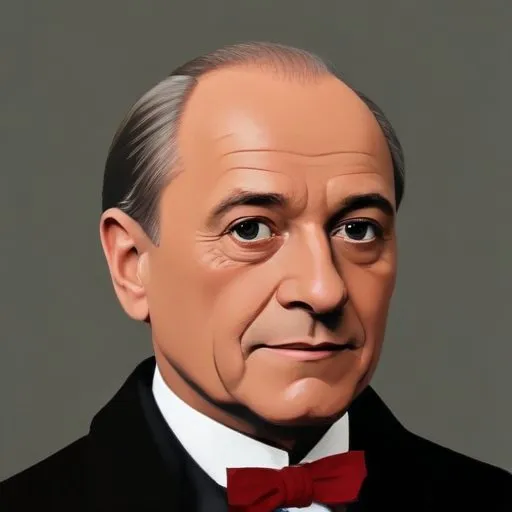
Wolfgang Borchert, a German author and playwright, is renowned for his thought-provoking works that confronted the brutal realities of dictatorship and war. His writing, emerging from the rubble of post-World War II Germany, continues to be studied in schools, resonating with readers seeking humanity and humanism in the face of adversity.
Born on May 20, 1921, in Hamburg, Germany, Borchert grew up in a liberal and progressive family. His parents, Fritz and Hertha, were both intellectuals and writers, exposing him to the city's vibrant cultural scene. This upbringing instilled in him a strong sense of humanity and a disdain for the Nazi regime.
As a teenager, Borchert rebelled against the Nazi party's youth wing, the Hitler Youth, and was subsequently released after missing meetings. His pre-war works (1938-1940) reflected his anti-Nazi stance, and in 1940, he was arrested by the Gestapo. Despite the danger, he continued to write anti-Nazi poems, sharing them with colleagues at the Hamburg bookshop C. Boysen.
In 1941, Borchert was conscripted into the Wehrmacht and posted to the Eastern Front. The horrors he witnessed during the war had a profound impact on his writing, shaping his unique perspective on humanity and the devastating effects of conflict.
Borchert's most famous work, the drama Draußen vor der Tür (The Man Outside), was written in 1947, just after the war. This powerful play, along with other works, solidified his position as a leading figure in the Trümmerliteratur movement. This literary movement sought to rebuild German culture and identity in the aftermath of World War II.
Borchert's writing is characterized by an uncompromising commitment to humanity and humanism. He believed that art should confront the darkest aspects of human nature, rather than sugarcoating reality. His works continue to inspire readers to reflect on their own values and the importance of empathy.
Today, Borchert's works remain a testament to the power of literature to challenge societal norms and inspire change. His writing has been studied in German schools, ensuring that his message of humanity and humanism continues to reach new generations. As a powerful voice against oppression, Borchert's legacy serves as a beacon of hope for a more compassionate world.
Borchert's life was cut short when he died on November 20, 1947, at the age of 26. Despite his brief career, his writing continues to resonate with readers, leaving an indelible mark on German literature and the world at large.
Born in 1898
A pioneering playwright and poet who revolutionized theater with his epic style, blending politics and art to create socially conscious works that continue to influence contemporary drama.
Born in 1892
A pioneering filmmaker who charmed audiences with sophisticated comedies and witty romantic dramas, often blending satire and social commentary.
Born in 1890
Pioneering filmmaker behind iconic sci-fi and noir classics, influencing generations of directors with his visual style and storytelling. 82
Born in 1901
A glamorous and androgynous Hollywood icon, known for her sultry voice, striking features, and trailblazing gender-bending style on screen. She mesmerized audiences with her unique blend of European sophistication and American charm.
Born in 1871
A prominent literary figure of the early 20th century, known for his socially critical and psychologically nuanced novels that explored the darker aspects of German society. His works often targeted the bourgeoisie and the rise of fascism.
Born in 1875
A renowned literary mastermind, celebrated for crafting complex, psychologically rich novels that probed the human condition, often blending philosophy and art.
Born in 1898
A German-Swiss soldier and author, best known for writing the classic novel "All Quiet on the Western Front", a powerful anti-war tale that vividly depicts the horrors of World War I.
Born in 1878
A Polish-German physician and author who wrote influential novels that explored the human condition, blending psychology, philosophy, and social commentary. His works are considered precursors to magical realism.
