


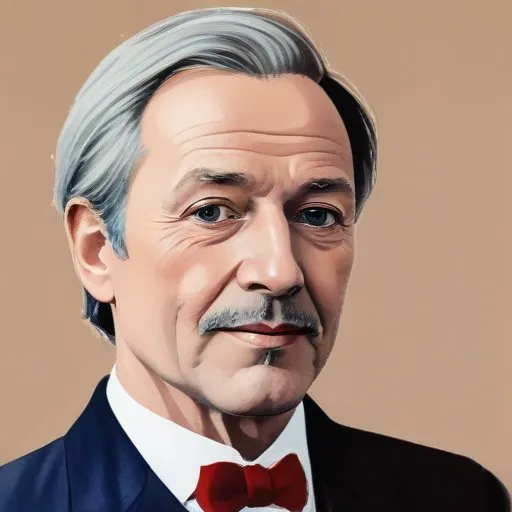
A Finnish author and journalist, known for his influential writings on Finnish identity and his role in shaping the country's literary scene. He's often referred to as the "father of Finnish literature".
Zachris Topelius, a trailblazing Finnish author, poet, journalist, and historian, left an indelible mark on the literary and academic landscape of Finland. His novels, which delved into the rich tapestry of Finnish history, captivated readers and earned him recognition as one of the most prominent figures of his time.
Born on January 14, 1818, in Kuddnäs, near Nykarleby in Ostrobothnia, Topelius was the son of a physician of the same name. His maternal grandmother, Katarina Sofia Calamnius, played a significant role in shaping his early life, instilling in him a love for Finnish folk songs and the works of poet Franzén.
At the tender age of eleven, Topelius was sent to school in Oulu, where he boarded with relatives who owned a lending library. This exposure to literature fueled his imagination, and he devoured novels, laying the foundation for his future literary endeavors.
In 1831, Topelius relocated to Helsinki, where he became an integral part of a circle of young nationalist men surrounding Johan Ludvig Runeberg. He went on to pursue his studies at the Imperial Alexander University of Finland, earning his master's degree in 1840, Licentiate degree in history in 1844, and PhD in 1847.
Topelius's doctoral dissertation, "De modo matrimonii inter Christianos et non-Christianos," showcased his expertise in history and cemented his reputation as a scholar. His subsequent roles as a historian, journalist, and rector of the University of Helsinki further solidified his position as a luminary in Finnish academia.
Topelius's literary output was immense, with novels that explored themes of Finnish history, folklore, and culture. His works, written in Swedish, helped to promote Finnish identity and foster a sense of national pride.
Apart from his literary endeavors, Topelius was an ardent advocate for education and social reform. He played a pivotal role in shaping the Finnish education system, emphasizing the importance of Finnish language and culture in the country's schools.
Zachris Topelius's contributions to Finnish literature, history, and education have had a lasting impact on modern society. His efforts to promote Finnish culture and identity paved the way for future generations of Finnish intellectuals and artists.
Today, Topelius is remembered as a visionary who worked tirelessly to promote Finnish language, literature, and culture. His legacy continues to inspire scholars, writers, and artists in Finland and beyond.
Born in 1804
Finnish poet and hymn-writer credited with creating the Finnish national epic, Kalevala, and penning the country's national anthem. His works are deeply rooted in Finnish folklore and culture.
Born in 1802
Collector of Finnish folklore and compiler of the Kalevala, a 19th-century epic poem that shaped Finnish national identity.
Born in 1861
Finnish literary pioneer and social commentator, known for his influential novels and essays that explored the country's cultural identity and social issues.
Born in 1844
A pioneering Finnish journalist, playwright, and activist who championed women's rights, social justice, and education, leaving a lasting impact on Finnish literature and society.
Born in 1878
A renowned Finnish poet and journalist, celebrated for his lyrical and expressive works that explored themes of love, nature, and Finnish identity. His poetry is still widely read and studied in Finland today.
