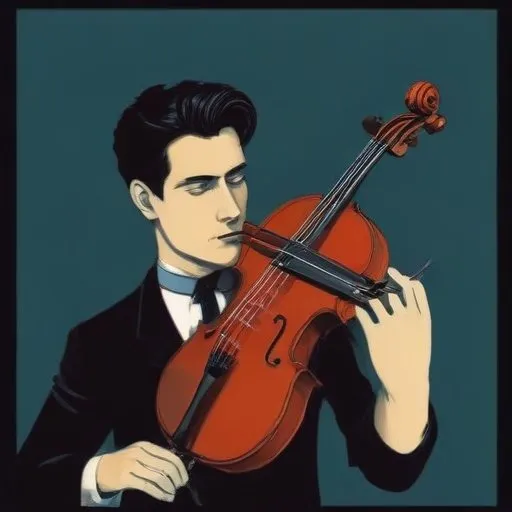
Édouard Lalo: The French Maestro of Melodic Masterpieces
A Symphony of Success
Édouard Lalo is renowned for his breathtaking compositions that have captivated audiences for centuries. His most celebrated piece, the
Symphonie Espagnole, a five-movement concerto for violin and orchestra, remains a staple in the standard repertoire, showcasing his exceptional skill in crafting mesmerizing melodies and vibrant orchestration.
Early Life and Education
Born on January 27, 1823, in Lille, France, Lalo began his musical journey at a young age, attending the local conservatoire in his youth. He later enrolled at the Paris conservatoire, where he studied under the guidance of Franois Antoine Habeneck, a prominent conductor of the Orchestre de la Socit des Concerts du Conservatoire.
From Strings to Composition
Lalo's early years were spent as a string player and teacher in Paris, where he honed his craft and developed his passion for composition. In 1848, he co-founded the Armingaud Quartet, playing the viola and later, second violin. This experience laid the foundation for his future success as a composer.
Marriage and Opera
In 1865, Lalo married Julie Besnier de Maligny, a contralto from Brittany, who encouraged his interest in opera. This led him to compose works for the stage, including the opera
Le Roi d'Ys. Although his operas were met with criticism for being too progressive and Wagnerian, Lalo persevered, dedicating most of his career to chamber music and orchestral works.
A Legacy of Masterpieces
Lalo's distinctive style has earned him a devoted following. His
Cello Concerto in D minor is occasionally revived, while his
Symphony in G minor was a favorite of Sir
Thomas Beecham and has been championed by later conductors. His music is characterized by strong melodies, colorful orchestration, and a Germanic solidity that distinguishes him from other French composers of his era.
Notable Works
- Symphonie Espagnole (1874) - a five-movement concerto for violin and orchestra
- Cello Concerto in D minor (1877)
- Symphony in G minor (1886)
- Le Roi d'Ys (1888) - an opera
- Scherzo in D minor (1856) - a chamber work
A Lasting Impact
Édouard Lalo's contribution to the world of classical music is immeasurable. His compositions continue to enchant audiences, and his legacy inspires future generations of musicians and composers. As a testament to his enduring popularity, Lalo's music remains a staple in concert halls around the world, ensuring his place among the pantheon of great French composers.
FAQ
What was Édouard Lalos contribution to French music?
Édouard Lalo was a prominent French composer and violinist, known for his innovative and expressive works, which helped to establish a distinctly French school of composition.
What was the significance of Édouard Lalos Symphonie Espagnole?
Édouard Lalos Symphonie Espagnole is considered one of his most important works, showcasing his mastery of orchestration and his ability to evoke the spirit of Spanish music.
How did Édouard Lalos music reflect his personality?
Édouard Lalos music reflected his personality, characterized by a blend of French elegance, Spanish passion, and a deep sense of lyricism.
What was Édouard Lalos approach to composition?
Édouard Lalos approach to composition was marked by a focus on melodic beauty, rhythmic energy, and a deep understanding of instrumental timbre.
How did Édouard Lalos music influence later composers?
Édouard Lalos music had a significant impact on later composers, including Claude Debussy and Maurice Ravel, who drew inspiration from his innovative and expressive style.