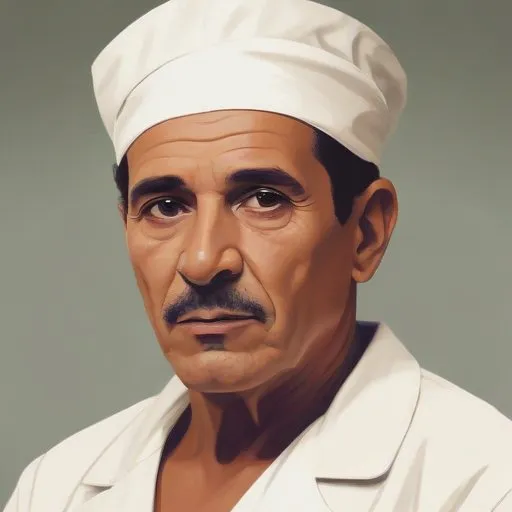
Scar Elas Biscet: A Champion of Human Rights and Democracy in Cuba
A Courageous Defender of Freedom
Scar Elas Biscet Gonzlez is a Cuban physician and unyielding advocate for human rights and democratic freedoms in Cuba. He is renowned for his unwavering commitment to exposing the Castro regime's abuses, earning him a 25-year prison sentence and international recognition, including the esteemed Presidential Medal of Freedom.
Early Life and Influences
Born on July 20, 1961, in Havana, Cuba, Biscet was drawn to the works of iconic figures such as
Henry David Thoreau, Mohandas Gandhi, and
Martin Luther King Jr., whose philosophies of nonviolent resistance and civil disobedience shaped his moral compass. His ideals were further influenced by
Abraham Lincoln,
Thomas Jefferson, Jos Mart, and Frederick Douglass, who inspired him to strive for a democratic government.
The Lawton Foundation and Activism
In 1997, Biscet founded the Lawton Foundation, a non-profit organization dedicated to promoting human rights, democracy, and the rule of law in Cuba. His activism, however, was met with severe repression by the Cuban government, which labeled him a "counterrevolutionary" and "dangerous" in 1994. Undeterred, Biscet continued to speak out against the regime's abuses, including its suppression of civil liberties and the use of forced abortions.
Expulsion and Arrest
Biscet's activism came at a great personal cost. In 1998, he was expelled from the Cuban National Health System, and his wife, Elsa Morejn, was also expelled from her nursing profession. The following year, Biscet was arrested, along with two dozen other dissidents, for organizing a peaceful protest against the regime's human rights abuses.
Imprisonment and International Pressure
Biscet's imprisonment sparked an international outcry, with the United Nations, foreign governments, and human rights organizations calling for his release. Despite the mounting pressure, the Cuban government refused to yield, prompting the U.S. President
George W. Bush to award Biscet the Presidential Medal of Freedom in 2007. Biscet remained incarcerated until March 11, 2011, when he was finally released after serving 12 years of his 25-year sentence.
Legacy and Impact
Scar Elas Biscet's bravery and perseverance have inspired a new generation of Cuban activists and human rights defenders. His unwavering commitment to democracy and human rights has earned him international recognition and accolades. Through his work, Biscet has shown that even in the darkest of times, the power of nonviolent resistance can spark meaningful change.
Quotes and Memorable Sayings
- "I am not a politician, I am a doctor. I am only trying to do what is right for my country and my people."
- "The struggle for freedom and human rights is not a partisan issue, it is a human issue."
Awards and Honors
- Presidential Medal of Freedom (2007)
- International Human Rights Award (2008)
- Cuban Human Rights Prize (2010)
Today
Scar Elas Biscet continues to advocate for human rights and democracy in Cuba, inspired by his unwavering faith in the power of nonviolent resistance. His remarkable story serves as a beacon of hope for those fighting for freedom and dignity in the face of oppression.
FAQ
What is Óscar Elías Biscets background as a physician?
Óscar Elías Biscet is a Cuban physician and director of the Lawton Foundation, a non-profit organization focused on promoting human rights and democracy in Cuba.
What human rights causes has Óscar Elías Biscet advocated for?
Óscar Elías Biscet has advocated for various human rights causes, including freedom of expression, assembly, and association, as well as the release of political prisoners in Cuba.
How has Óscar Elías Biscets work been recognized internationally?
Óscar Elías Biscets work has been recognized internationally, earning him several awards, including the Presidential Medal of Freedom, the Dr. Rainer Hildebrandt Human Rights Award, and the National Endowment for Democracys Democracy Award.
What is Óscar Elías Biscets approach to promoting democracy in Cuba?
Óscar Elías Biscets approach to promoting democracy in Cuba involves peaceful, non-violent methods, including education, advocacy, and community organization.
How has Óscar Elías Biscets work been received by the Cuban government?
Óscar Elías Biscets work has been met with opposition and persecution by the Cuban government, which has imprisoned him multiple times for his activism.