


The Battle of Bosworth Field, fought on August 22, 1485, is one of the most pivotal moments in English history, marking the demise of King Richard III and the end of the Plantagenet dynasty. This bloody confrontation saw the usurper king fall to the cunning forces of Henry Tudor, paving the way for the rise of the Tudor dynasty and a new era in English politics.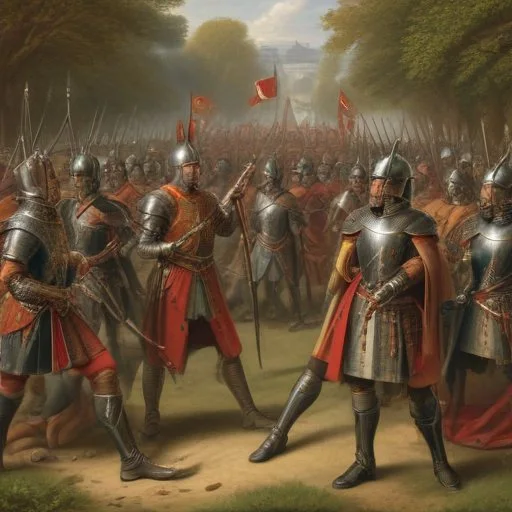
In the late 15th century, the Wars of the Roses had ravaged England, leaving the monarchy and nobility in tatters. The Plantagenet dynasty, which had ruled England since the 12th century, was fractured and weakened. Amidst this turmoil, Richard III, the brother of the deceased King Edward IV, seized the throne, sparking widespread suspicion and discontent. Henry Tudor, a descendant of the Lancastrian branch of the Plantagenet family, saw an opportunity to claim the crown and unite the warring factions.
Richard III, the last Yorkist king, was infamous for his alleged role in the disappearance of the Princes in the Tower. His rival, Henry Tudor, was a skilled politician and military strategist, backed by the powerful Earls of Wales and Pembroke. Other key players included Thomas Stanley, Earl of Derby, and his brother, Sir William Stanley, who would ultimately betray Richard III on the battlefield.
On that fateful day in August, the rival armies clashed on the Leicestershire fields. Richard III, characterized by his bravery, charged into battle with his loyal knights, but Henry Tudor's forces were numerically superior and better positioned. As the battle raged on, Richard's position became increasingly desperate, and his cries of "Treason!" echoed across the battlefield as his own men deserted him. In the end, it was Richard's courage that proved his downfall, as he was struck by a blow to the skull and fell to the ground.
The Battle of Bosworth Field marked the end of the Plantagenet dynasty and the rise of the Tudor dynasty. Henry Tudor, now King Henry VII, seized the throne and married Elizabeth of York, uniting the rival houses and securing his claim. This union would produce one of England's most famous monarchs, Henry VIII, and set the stage for the English Renaissance. The battle also saw the death of the medieval chivalric code, as the brutal realities of war exposed the flaws in the traditional knightly ethos.
The Battle of Bosworth Field has had a profound influence on English culture and literature. William Shakespeare's play Richard III immortalized the king's villainous reputation, while historians and writers have continued to debate the merits of Richard's rule. The battle has also inspired countless works of art, from paintings to films, cementing its place in the English cultural psyche.
Richard III's reputation has been the subject of intense scrutiny and debate. Was he a ruthless usurper and murderer, or a misunderstood monarch? The discovery of his remains in 2012 has shed new light on the king's life and reign, but the controversy surrounding his character endures. Meanwhile, Henry Tudor's cunning and strategic genius have earned him a reputation as one of England's most skilled politicians.
"Treason! Treason! Treason!" - Richard III's cry as he charged into battle
"The last of the legitimate Plantagenets, and the first of the Tudors." - Henry Tudor's epitaph on Richard III's tomb
The Battle of Bosworth Field is a powerful reminder of the brutal realities of medieval politics. As the rival armies clashed on that fateful day, the course of English history was forever altered. Richard III's demise marked the end of an era, and the rise of a new dynasty that would shape the course of England's future. The battle's legacy continues to captivate and inspire, a testament to the enduring power of history.
The Battle of Bosworth Field was a culmination of years of power struggles within the Plantagenet dynasty. The Wars of the Roses had left the monarchy and nobility in shambles, creating an environment ripe for betrayal and usurpation. Richard III's seizure of the throne was seen as a usurpation by many, and his reputation as a ruthless and power-hungry king only fueled the flames of discontent.
In the years leading up to the battle, Richard III's position was increasingly precarious. He faced opposition from the Lancastrian branch of the Plantagenet family, who saw him as an illegitimate ruler. Henry Tudor, a descendant of the Lancastrian branch, was poised to take advantage of Richard's weakness and claim the throne for himself.

Henry Tudor, also known as Henry VII, was a master politician and strategist. He was born in 1457 to Edmund Tudor, Earl of Richmond, and Margaret Beaufort, a descendant of John of Gaunt. Henry's claim to the throne was tenuous at best, but he was determined to take advantage of the power vacuum left by the Wars of the Roses.
Henry's strengths lay in his ability to forge alliances and build support among the nobility. He was charismatic and persuasive, able to win over even the most skeptical of nobles to his cause. His marriage to Elizabeth of York, daughter of Edward IV, helped to solidify his claim to the throne and paved the way for the Tudor dynasty.
The Battle of Bosworth Field has had a profound impact on English culture and literature. William Shakespeare's play Richard III cemented the king's reputation as a ruthless and power-hungry ruler, while historians and writers have continued to debate the merits of Richard's rule.
The battle has also inspired countless works of art, from paintings to films, cementing its place in the English cultural psyche. The discovery of Richard III's remains in 2012 has shed new light on the king's life and reign, but the controversy surrounding his character endures.
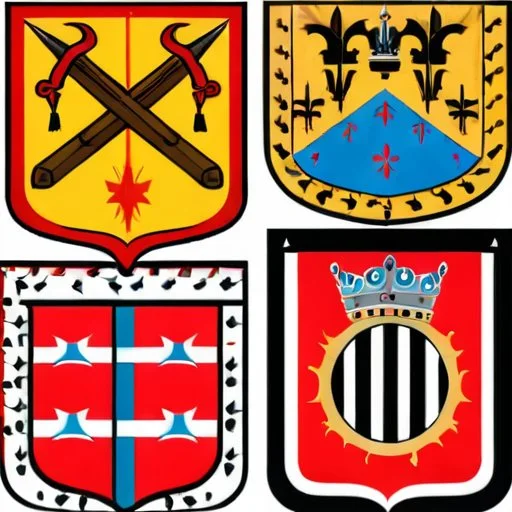
The Battle of Bosworth Field marked a significant shift in English politics. The end of the Plantagenet dynasty and the rise of the Tudor dynasty signaled a new era in English politics, one marked by the rise of the centralized state and the decline of feudalism.
Henry VII's victory at Bosworth Field was a testament to his cunning and strategic genius. He was able to outmaneuver Richard III and secure the throne, paving the way for a new era of stability and prosperity in England.
The Battle of Bosworth Field took place within a complex geopolitical context. The Wars of the Roses had left England weakened and divided, while the rival powers of Europe, including France and Scotland, were waiting in the wings to take advantage of England's weakness.
Henry VII's victory at Bosworth Field was not only a domestic triumph, but also a significant diplomatic coup. He was able to secure alliances with European powers and establish England as a major player on the international stage.