


On September 16, 1975, three newly independent African nations—Cape Verde, Mozambique, and São Tomé and Principe—made history by officially becoming members of the United Nations. This momentous occasion marked the culmination of years of struggle against colonial rule, as these former Portuguese colonies finally gained international recognition and catapulted themselves onto the global stage.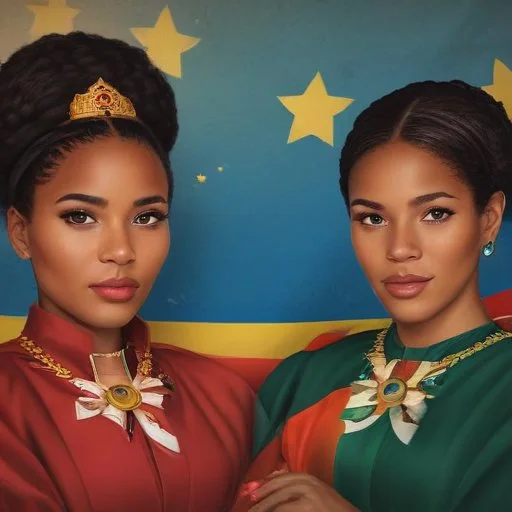
The three nations shared a common experience of Portuguese colonialism, which had lasted for centuries. The Portuguese Empire, established in the 15th century, had sought to exploit the natural resources and strategic locations of these African territories. The colonizers imposed their own language, culture, and systems of governance, often with brutal force, suppressing indigenous cultures and identities.
The fight for independence began to take shape in the mid-20th century, as nationalist movements emerged in each country. In Cape Verde, Amílcar Cabral led the African Party for the Independence of Guinea and Cape Verde (PAIGC), while in Mozambique, the Mozambican Liberation Front (FRELIMO) fought against Portuguese rule. São Tomé and Principe, meanwhile, saw the rise of the Movement for the Liberation of São Tomé and Principe (MLSTP). These movements faced intense repression, but their determination and resilience ultimately paved the way for independence.
The admission of Cape Verde, Mozambique, and São Tomé and Principe to the United Nations marked a significant shift in the global political landscape. These nations, once marginalized and silenced, could now participate in international forums, shape global policy, and forge new alliances. Their membership also underscored the UN's commitment to decolonization and self-determination.
The membership of Cape Verde, Mozambique, and São Tomé and Principe in the UN had a profound impact on their cultural and social landscapes. These nations could now proudly assert their unique identities, promote their languages and cultures, and engage in international cultural exchange programs.
"Today, we celebrate not only our independence, but also our entry into the community of nations. We stand ready to contribute to the United Nations, and to work with other member states to build a more just and peaceful world." — Manuel Pinto da Costa, first president of São Tomé and Principe
The admission of these nations to the UN was not without controversy. Some critics argued that the organizations and leaders that had fought against colonialism were not adequately representative of the people. Others questioned the ability of these young nations to effectively participate in international forums. However, the overwhelming sentiment was one of celebration and recognition of the trio's hard-won independence.
The membership of Cape Verde, Mozambique, and São Tomé and Principe in the United Nations serves as a beacon of hope for other nations struggling for independence and self-determination. Their courageous fight against colonialism and their eventual triumph inspire generations to come.
The road to independence for Cape Verde, Mozambique, and São Tomé and Principe was marked by intense guerrilla warfare and diplomatic maneuvering. In the late 1960s, the African Party for the Independence of Guinea and Cape Verde (PAIGC), led by Amílcar Cabral, launched a series of attacks against Portuguese colonial forces in Guinea-Bissau. Meanwhile, the Mozambican Liberation Front (FRELIMO) and the Movement for the Liberation of São Tomé and Principe (MLSTP) waged similar campaigns in their respective territories.
In 1974, a bloodless coup in Portugal led to the downfall of the authoritarian regime, paving the way for decolonization. The new Portuguese government, led by António de Spínola, began negotiations with the nationalist movements, culminating in the signing of independence agreements for each country.
Amílcar Cabral, the charismatic leader of the PAIGC, was a key figure in the fight for independence in Cape Verde and Guinea-Bissau. Born in 1924, Cabral was a poet, writer, and agronomist who became involved in the nationalist movement at an early age. He was assassinated in 1973, but his legacy lived on, inspiring generations of Africans to fight for their freedom.
In Mozambique, Samora Machel, a former nurse and FRELIMO commander, played a crucial role in the country's independence struggle. Machel's leadership and strategic thinking helped to galvanize the Mozambican people against Portuguese colonial rule.
Manuel Pinto da Costa, the first president of São Tomé and Principe, was a key negotiator in the country's transition to independence. A skilled diplomat and strategist, Pinto da Costa worked tirelessly to ensure a smooth transfer of power from Portugal.
The membership of Cape Verde, Mozambique, and São Tomé and Principe in the United Nations had a profound impact on the cultural landscape of these nations. With their newfound independence, each country was able to reclaim and promote its unique cultural heritage, including its language, music, and art.
In Cape Verde, the creole language and music, which had been suppressed by the Portuguese, were revived and celebrated as national symbols. In Mozambique, the traditional mask-making and woodcarving industries experienced a resurgence, while in São Tomé and Principe, the islands' rich literary heritage was rediscovered and celebrated.
The admission of Cape Verde, Mozambique, and São Tomé and Principe to the United Nations marked a significant shift in the economic landscape of these nations. With their independence, each country gained access to international aid, investment, and trade opportunities, facilitating their economic growth and development.
In the years following independence, each country began to diversify its economy, investing in sectors such as agriculture, tourism, and infrastructure development. Cape Verde, with its strategic location off the coast of West Africa, emerged as a major hub for international trade and investment.
The membership of Cape Verde, Mozambique, and São Tomé and Principe in the United Nations reflected a significant shift in the global balance of power. The admission of these newly independent nations marked a turning point in the decolonization process, as the international community recognized the sovereignty and territorial integrity of these nations.
The event also highlighted the growing influence of the Non-Aligned Movement, a group of countries that refused to align themselves with either the Western or Eastern blocs during the Cold War. The admission of these nations to the UN reinforced the movement's commitment to decolonization, self-determination, and international cooperation.