


The Cuban Missile Crisis brought the world to the brink of nuclear war, but in its aftermath, a bold decision was made to ensure that such a crisis would never happen again. In 1963, the Soviet Union and the United States signed an agreement to establish a direct communication link between Washington, D.C., and Moscow, dubbed the "red telephone."
This hotline, as it came to be known, enabled leaders to quickly discuss and resolve international crises, reducing the risk of accidental nuclear war. The red telephone symbolized a new era of cooperation, marking a significant step away from the edge of nuclear disaster.
The agreement was a testament to the diplomatic efforts of Soviet Premier Nikita Khrushchev and US President John F. Kennedy, who recognized the importance of open communication in times of crisis. However, it was also the result of tireless work by their advisors and diplomats, often referred to as "the wise men." These individuals, including Robert McNamara, McGeorge Bundy, and Anatoly Dobrynin, played a crucial role in facilitating the agreement and ensuring its success.
The establishment of the red telephone link marked a significant shift in the relationship between the United States and the Soviet Union. It demonstrated a willingness to communicate and cooperate, even in the face of ideological differences. The hotline was not only a tool for crisis management but also a symbol of a new era of diplomacy and international cooperation.
The red telephone link had a profound impact on popular culture, symbolizing a new era of cooperation and peace. It inspired countless works of art, literature, and music, and became a powerful symbol of international cooperation.
The establishment of the red telephone link taught us the importance of open communication in times of crisis. It demonstrated that even in the face of ideological differences, nations could come together to prevent global catastrophe. Today, the red telephone link remains a powerful symbol of international cooperation and a testament to the power of diplomacy.
The red telephone link continues to play a vital role in international diplomacy, serving as a reminder of the importance of communication and cooperation in times of crisis. As we move forward in an increasingly complex and interconnected world, the lessons of the red telephone link remain as relevant as ever.
Nikita Khrushchev, the Soviet Premier from 1958 to 1964, played a crucial role in the establishment of the red telephone link. Born in 1894, Khrushchev rose through the ranks of the Soviet Communist Party, earning a reputation as a pragmatic and charismatic leader.
Khrushchev's vision for a more open and diplomatic Soviet Union was instrumental in fostering an environment conducive to the agreement. His willingness to engage in dialogue with the United States, despite ideological differences, laid the groundwork for the red telephone link.

The red telephone link has had a profound impact on popular culture, symbolizing a new era of international cooperation and peaceful resolution. In film, literature, and music, the hotline has been referenced and parodied, often serving as a metaphor for crisis management and diplomacy.
From Dr. Strangelove to The Simpsons, the red telephone has become an instantly recognizable symbol of high-stakes diplomacy. Its presence in popular culture serves as a testament to the enduring impact of the hotline on our collective consciousness.
The red telephone link was established during a period of heightened tension between the United States and the Soviet Union. The Cuban Missile Crisis, the Berlin Wall, and the Space Race all contributed to an atmosphere of mistrust and hostility.
In this context, the agreement to establish a direct communication link was a bold and unprecedented move. It marked a significant shift in the relationship between the two superpowers, as they began to recognize the importance of diplomacy in preventing nuclear war.
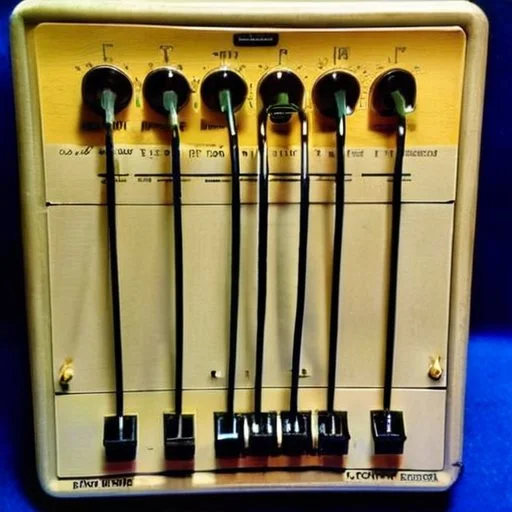
Historians have debated the significance of the red telephone link, with some viewing it as a symbol of détente and others seeing it as a pragmatic response to the threat of nuclear war.
Recent scholarship has highlighted the role of "the wise men" – advisors and diplomats on both sides – in facilitating the agreement. This shift in focus has led to a more nuanced understanding of the events surrounding the establishment of the hotline.
The red telephone link was made possible by a series of technological innovations, including the development of satellite communications and encryption technologies.
The hotline was initially established using a Telex machine, which transmitted encrypted messages over a dedicated telecommunications line. This technology allowed for rapid communication between the two leaders, facilitating crisis management and reducing the risk of miscommunication.