


The March on Washington for Jobs and Freedom, held on August 28, 1963, is an iconic event in American history, remembered for Rev. Dr. Martin Luther King Jr.'s powerful "I Have a Dream" speech, which resonated with millions of people and galvanized the civil rights movement. This monumental gathering, attended by over 250,000 people, was a clarion call for racial equality, social justice, and economic opportunity, marking a significant turning point in the struggle for African American rights.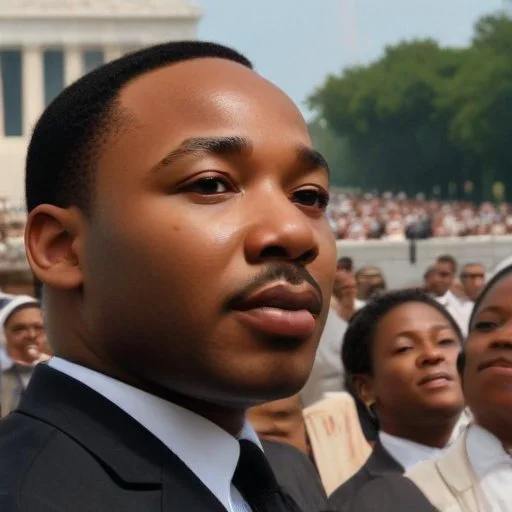
The March on Washington was the culmination of years of civil rights activism, prompted by the lack of progress in ending segregation, discrimination, and economic inequality. In the early 1960s, civil rights leaders, including King, A. Philip Randolph, and Bayard Rustin, began planning a massive demonstration in Washington, D.C. to pressure the federal government to take action on civil rights legislation.
The March on Washington was a resounding success, drawing widespread media attention and public support for civil rights. The event helped to:
The March on Washington for Jobs and Freedom had a profound impact on American culture and society, influencing:
Rev. Dr. Martin Luther King Jr.'s "I Have a Dream" speech is replete with iconic phrases, including:
The March on Washington for Jobs and Freedom and Rev. Dr. Martin Luther King Jr.'s "I Have a Dream" speech continue to inspire generations, serving as a powerful reminder of the importance of equality, justice, and freedom. The event's legacy can be seen in the:
In conclusion, the March on Washington for Jobs and Freedom and Rev. Dr. Martin Luther King Jr.'s "I Have a Dream" speech are seminal moments in American history, forever changing the trajectory of the civil rights movement and shaping the nation's ongoing quest for equality and justice.
A. Philip Randolph, a pioneering civil rights leader, was instrumental in organizing the March on Washington for Jobs and Freedom. Born on April 15, 1889, in Florida, Randolph dedicated his life to fighting for African American rights and labor reform. He co-founded the Brotherhood of Sleeping Car Porters, the first predominantly African American labor union, and served as its president for over 40 years. Randolph's tireless efforts and strategic planning played a crucial role in making the March on Washington a reality.
Randolph's vision for the march was rooted in his commitment to economic empowerment and social justice. He believed that the event would provide a platform for African Americans to demand equal opportunities and challenge systemic racism. Through his leadership, Randolph helped to bring together a diverse coalition of civil rights organizations, labor unions, and religious groups, ensuring the march's success.
The March on Washington for Jobs and Freedom had a profound impact on American culture, inspiring a new wave of civil rights-themed art, literature, and music. The event's message of hope and equality resonated with artists, who responded with works that reflected the spirit of the movement. From the iconic photographs of Gordon Parks to the soulful melodies of Aretha Franklin, the march's influence can be seen in a wide range of creative endeavors.
The march also inspired a new generation of activists, who drew upon its message of nonviolent resistance and collective action. The event's emphasis on grassroots organizing and community empowerment helped to galvanize the civil rights movement, paving the way for future protests and demonstrations.
The March on Washington for Jobs and Freedom was the culmination of years of civil rights activism and strategic planning. Here is a brief timeline of key events leading up to the march:

The March on Washington for Jobs and Freedom presented a unique challenge for law enforcement, who were tasked with maintaining order while respecting the rights of protesters. The event highlighted the contradictions of American democracy, as police officers from across the country were deployed to counter a peaceful demonstration demanding equal rights and social justice.
The march's organizers worked closely with authorities to ensure a peaceful and successful event. Bayard Rustin, the march's deputy director, established a communication network with police officials, while A. Philip Randolph negotiated with government officials to secure permits and logistical support. Despite these efforts, tensions remained high, and the potential for violence was ever-present.
The March on Washington for Jobs and Freedom serves as a powerful model for social change, demonstrating the effectiveness of nonviolent resistance, grassroots organizing, and collective action. The event's focus on economic empowerment, social justice, and human rights has inspired generations of activists, from the anti-apartheid movement to the Black Lives Matter protests.
The march's legacy can be seen in the many social justice movements that have followed in its footsteps. From the feminist and environmental movements to the LGBTQ+ rights movement, the March on Washington has provided a template for grassroots activism and community organizing. As a testament to its enduring impact, the march remains an iconic symbol of the power of people to challenge the status quo and create positive change.