


The Revolutionary United Front (RUF), backed by the special forces of Charles Taylor's National Patriotic Front of Liberia, launched a brutal assault on Sierra Leone in March 1991, sparking a devastating 11-year civil war that would ravage the West African nation. This conflict, marked by unspeakable atrocities and human rights abuses, would leave an indelible scar on the people of Sierra Leone and become one of the darkest chapters in African history.
In the late 1980s, the Sierra Leonean government, led by President Joseph Saidu Momoh, was facing mounting pressure from internal corruption and external meddling. The country's economy was in shambles, and the government's response to the growing discontent was marked by repression and violence. It was amidst this chaos that the RUF, led by Foday Sankoh, began to form an alliance with Charles Taylor's National Patriotic Front of Liberia, setting the stage for the 1991 invasion.
March 1991: The RUF, with Taylor's special forces, launches a surprise attack on Sierra Leone, capturing key towns and cities.
1992: The Sierra Leonean army, with the help of the Economic Community of West African States (ECOWAS), launches a counter-offensive, but the RUF maintains control over vast swaths of territory.
1996: The RUF and the Sierra Leonean government sign the Abidjan Peace Agreement, but the deal collapses within months.
1999: The United Nations establishes the UNAMSIL peacekeeping mission, which eventually leads to the surrender of the RUF in 2002.
The Sierra Leone Civil War resulted in:
The war had a profound impact on Sierra Leonean culture, with traditional practices and social norms disrupted by the violence and displacement. The war also spawned a new generation of artists, musicians, and writers, who sought to express the tragedy and trauma of their experiences.
The international community was criticized for its slow response to the crisis, with many accusing the UN of inaction and incompetence. The war also raised uncomfortable questions about the role of foreign powers in African conflicts, with allegations of external interference and manipulation.
"We will fight until the last drop of our blood is spilled." - Foday Sankoh, RUF leader
"The war has left us with a generation of orphans, widows, and amputees. We must work towards rebuilding our nation and ensuring that such a tragedy never happens again." - Ahmed Tejan Kabbah, Sierra Leonean President (1996-2007)
The Sierra Leone Civil War shares eerie parallels with other African conflicts, such as the Liberian Civil War and the Rwandan Genocide. All three conflicts were characterized by factionalism, external interference, and horrific human rights abuses.
Amputees, such as those from the "Amputee Football Club," have become a powerful symbol of the war's devastating impact. Their stories of resilience and courage serve as a testament to the human spirit.
The Sierra Leone Civil War has had a lasting impact on regional politics and international relations. The conflict led to the establishment of the Special Court for Sierra Leone, which set a new precedent for international justice and accountability.
The Sierra Leonean people have been awarded the UNESCO Madanjeet Singh Prize for the Promotion of Tolerance and Non-Violence in 2007, in recognition of their resilience and commitment to rebuilding their nation.
The Sierra Leone Civil War has led to numerous academic studies, books, and documentaries, shedding light on the complexities of African conflicts and the importance of peacebuilding and reconciliation.
The war has its share of redemption stories, such as the transformation of former child soldiers into advocates for peace and human rights. However, the war also exposed dark scandals, including the exploitation of diamond resources and the complicity of foreign powers.

The RUF's use of "blood diamonds" to finance their operations led to international outrage and the eventual banning of conflict diamonds.
In the aftermath of the war, Sierra Leone has made significant strides in rebuilding its infrastructure, including the construction of a new national stadium and the revival of its education system.
The roots of the Sierra Leone Civil War can be traced back to the country's colonial past, when the British exploited its natural resources and left behind a legacy of corruption and instability. The post-colonial government, led by Siaka Stevens, further exacerbated the situation by perpetuating a system of patronage and nepotism.
In the 1980s, a new generation of politicians, including Joseph Saidu Momoh, emerged, promising reform and change. However, they were unable to address the deep-seated issues plaguing the country, setting the stage for the RUF's insurgency.
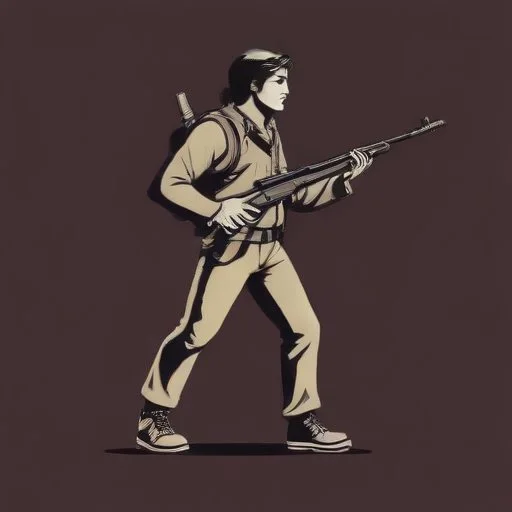
Foday Sankoh's Early Life
Foday Sankoh, the enigmatic leader of the RUF, was born in 1937 in the rural village of Magburaka. Born into a poor family, Sankoh was forced to drop out of school at an early age to work as a petty trader. He later joined the Sierra Leonean army, where he was trained in guerrilla warfare.
Sankoh's early life was marked by hardship and disillusionment, which would later shape his ideology and inform his decisions as the leader of the RUF.
The Sierra Leone Civil War shares striking similarities with the Liberian Civil War, which was fought from 1989 to 1996. Both conflicts were characterized by brutal violence, human rights abuses, and external interference.
Both wars were also marked by the rise of charismatic warlords, such as Charles Taylor in Liberia and Foday Sankoh in Sierra Leone. These leaders exploited ethnic and regional tensions to further their own interests, leading to devastating consequences for the civilian population.
The Sierra Leone Civil War had a profound impact on the country's cultural landscape. The war disrupted traditional practices and social norms, leading to a breakdown in social cohesion and community structures.
However, the war also spawned a new generation of artists, musicians, and writers, who sought to express the trauma and tragedy of their experiences. This has led to a flourishing of creative expression in Sierra Leone, with many artists using their work to promote reconciliation and healing.
The economic impact of the Sierra Leone Civil War was devastating, with the country's economy shrinking by over 50% during the conflict.
The war disrupted key industries, including agriculture and mining, leading to widespread poverty and unemployment. The conflict also led to the destruction of infrastructure, including roads, bridges, and buildings, further exacerbating the economic crisis.