


On a fateful day in March 1882, German physician and microbiologist Robert Koch stood before the Berlin Physiological Society, his voice trembling with excitement as he revealed a secret that had haunted humanity for centuries. After years of tireless research, Koch had finally uncovered the root cause of tuberculosis, a disease that had claimed millions of lives and left countless families bereaved.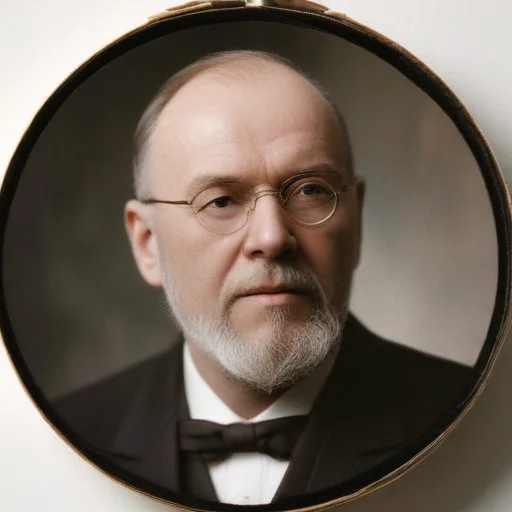
Tuberculosis, also known as consumption, was a scourge of the 19th century. Its symptoms were as varied as they were devastating – coughing fits, fever, and fatigue, slowly draining the life force from its victims. Doctors and scientists had long been baffled by its causes, with theories ranging from poor air quality to a lack of morals. But Koch, driven by his passion for microbiology, was determined to get to the bottom of the mystery.
Koch's journey began in the 1870s, when he was working as a district physician in Poland. He became fascinated by the curious case of a local farmer, whose illness seemed to defy explanation. Obsessively, Koch poured over the farmer's symptoms, collecting samples and conducting experiments that would eventually lead him to the culprit behind the disease.
After years of painstaking research, Koch finally isolated the bacterium responsible for tuberculosis – Mycobacterium tuberculosis. This tiny, rod-shaped microorganism was the key to understanding the disease, and Koch's discovery sent shockwaves throughout the scientific community.
Koch's discovery revolutionized the field of medicine, opening doors to new treatments and vaccines. The development of antibiotics and TB sanatoriums soon followed, saving countless lives and transforming the way doctors approached infectious diseases.
Robert Koch's discovery not only changed the face of medicine but also inspired generations of scientists to come. His unwavering dedication to uncovering the truth, his passion for microbiology, and his groundbreaking research continue to inspire and motivate us to this day.
As we reflect on Koch's remarkable achievement, we are reminded of the power of human curiosity and the boundless potential of the human spirit. His discovery serves as a testament to the transformative power of science, and the incredible impact one person can have on the world.
Robert Koch's fascination with tuberculosis began during his time as a district physician in Poland, where he was exposed to the devastating effects of the disease on rural communities. His obsession with uncovering the truth behind the disease was sparked by a particular case, that of a local farmer whose illness seemed to defy explanation.
Koch's early life and education laid the foundation for his future accomplishments. Born in 1843 in Clausthal, Germany, Koch was the son of a mining engineer. He studied medicine at the University of Göttingen, where he developed a passion for natural sciences and eventually earned his doctoral degree.
Koch's dedication to his work was unwavering, and his discovery of the tuberculosis bacterium was the culmination of years of tireless research and experimentation. His groundbreaking find not only revolutionized the field of medicine but also cemented his reputation as a pioneer in microbiology.

The discovery of Mycobacterium tuberculosis had a profound impact on the development of microbiology and beyond. Koch's discovery catalyzed a new era of scientific inquiry, leading to significant advances in our understanding of infectious diseases and the development of vaccines and treatments.
The introduction of Koch's staining technique, which enabled the visualization of the bacterium, paved the way for further research and innovation in microbiology. This breakthrough led to a greater understanding of the role of microorganisms in disease and sparked a new wave of scientific discovery.
The significance of Koch's discovery extended far beyond the scientific community, having a profound impact on society and culture. The discovery of the tuberculosis bacterium helped to dispel myths and misconceptions surrounding the disease, which had long been shrouded in mystery and stigma.
The development of treatments and vaccines for tuberculosis led to a significant decrease in mortality rates, freeing countless individuals from the grip of the disease. This, in turn, had a profound impact on families, communities, and society as a whole, restoring hope and dignity to those affected.
The economic impact of Koch's discovery was substantial, as the development of treatments and vaccines led to a significant reduction in healthcare costs and lost productivity. The decline in tuberculosis-related deaths and illnesses enabled individuals to return to work, contributing to a more productive workforce and a boost to the economy.
Koch's discovery sparked a wave of social change, as the understanding and treatment of tuberculosis began to shift. The development of sanatoriums and treatment centers transformed the way patients were cared for, providing a more humane and effective approach to treatment.