


The Scopes Trial, also known as the Monkey Trial, was a landmark court case in 1925 that brought the debate between evolution and creationism to the forefront of American society. The trial, which took place in Dayton, Tennessee, pitted John T. Scopes, a young high school science teacher, against the state of Tennessee, which had outlawed the teaching of evolution in public schools through the Butler Act.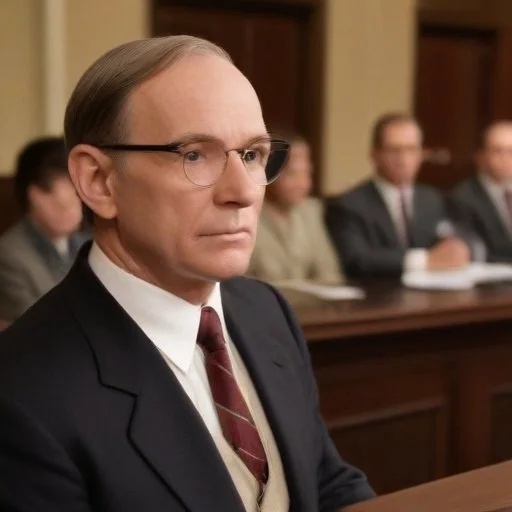
In the early 20th century, the teaching of evolution was becoming increasingly popular in American classrooms. However, many fundamentalist Christians saw this as a threat to their religious beliefs and values. In response, several states, including Tennessee, passed laws banning the teaching of evolution in public schools. The Butler Act, passed in 1925, was one such law.
The trial began on July 10, 1925, with Scopes, represented by renowned defense attorney Clarence Darrow, facing off against William Jennings Bryan, a three-time presidential candidate and leader of the prosecution. The trial was a sensation, drawing crowds from across the country and sparking widespread media attention.
The trial was marked by several dramatic moments, including a blistering cross-examination of Bryan by Darrow, in which Darrow challenged Bryan's literal interpretation of the Bible. The trial also saw the introduction of expert testimony from scientists and scholars, including Dr. Maynard Metcalf, who testified about the scientific evidence for evolution.
The trial ended on July 21, 1925, with Scopes being found guilty and fined $100. However, the trial's impact went far beyond the courtroom. It sparked a national conversation about the role of science and religion in American society and paved the way for future legal battles over the teaching of evolution. The trial also had a profound impact on the development of the modern creationist movement, which continues to be a major force in American politics and culture today.
The Scopes Trial had a profound impact on American culture and society. It marked a turning point in the debate between evolution and creationism, and paved the way for future cultural and scientific controversies. The trial also had a significant impact on the development of the modern fundamentalist movement, which continues to shape American politics and culture today.
"I do not think about things I don't think about." - Clarence Darrow, in response to Bryan's question about whether Darrow believed in the story of Jonah and the whale.
"I am not interested in the origin of man. I am interested in the origin of the soul." - William Jennings Bryan, in response to Darrow's questioning about the scientific evidence for evolution.
The Scopes Trial is often compared to other major cultural and scientific controversies, including the Galileo affair and the Dover Area School District intelligent design trial. However, the Scopes Trial remains a unique and pivotal moment in American history, marking a turning point in the debate between evolution and creationism.
One of the most famous anecdotes from the trial is the story of Bryan's collapse and death just five days after the trial ended. According to legend, Bryan died of a broken heart, devastated by his defeat in the trial. While this story has been disputed by some historians, it remains a powerful symbol of the personal stakes involved in the Scopes Trial.
The Scopes Trial paved the way for future legal battles over the teaching of evolution, including the 1968 Supreme Court case Epperson v. Arkansas, which declared that the teaching of evolution in public schools was constitutional. The trial also had a profound impact on the development of the modern fundamentalist movement, which continues to shape American politics and culture today.
In 1960, the Tennessee state legislature repealed the Butler Act, acknowledging the importance of teaching evolution in public schools. In 2014, the University of Tennessee at Chattanooga dedicated a monument to Scopes, honoring his courage and commitment to intellectual freedom.
The Scopes Trial marked a turning point in the development of modern science education in the United States. It paved the way for future debates over the role of science and religion in American society and continues to shape our understanding of the importance of intellectual freedom and critical thinking.
One of the most enduring legacies of the Scopes Trial is the story of Bryan's redemption. Despite his defeat in the trial, Bryan's commitment to fundamentalist values and his determination to defend his faith have made him a hero to many fundamentalist Christians.

This visual timeline marks the key milestones in the Scopes Trial, from the passage of the Butler Act in 1925 to the trial's conclusion on July 21, 1925.
Did you know that the Scopes Trial was originally intended to be a publicity stunt, designed to attract tourists to Dayton, Tennessee? Despite its humble origins, the trial went on to become one of the most significant cultural and scientific controversies of the 20th century.
As we look to the future, it is clear that the Scopes Trial will continue to shape our understanding of the role of science and religion in American society. Will we see a resurgence of fundamentalism in the years to come, or will the tide of public opinion continue to shift in favor of evolution and intellectual freedom? Only time will tell.
The Scopes Trial has drawn comparisons to other significant cultural and scientific controversies throughout history. One such parallel is the Galileo affair, in which Galileo Galilei was put on trial in 1633 for his support of Copernicus' heliocentric theory. Like Scopes, Galileo challenged the established orthodoxy of his time, sparking a heated debate about the role of science and religion in society.
In both cases, the trials served as a catalyst for broader cultural and scientific discussions, with the Scopes Trial paving the way for future debates over the teaching of evolution in public schools and Galileo's trial marking a significant turning point in the development of modern scientific thought.

William Jennings Bryan was a complex figure, driven by a deep sense of conviction and a strong belief in the importance of fundamentalist values. A three-time presidential candidate, Bryan was a skilled orator and politician who brought a level of passion and intensity to the Scopes Trial that ultimately proved to be his undoing.
Despite his defeat in the trial, Bryan remained a significant figure in American politics and culture, continuing to advocate for fundamentalist values and shaping the development of the modern creationist movement.
The Scopes Trial had a profound impact on American culture and society, marking a turning point in the debate between evolution and creationism. The trial's influence can be seen in everything from the development of the modern fundamentalist movement to the ongoing controversy over the teaching of evolution in public schools.
In the years following the trial, fundamentalist Christians began to coalesce around a range of shared beliefs and values, including a strong emphasis on biblical literalism and a deep distrust of scientific theories like evolution.

The Scopes Trial marked a significant turning point in the development of modern science education in the United States. The trial's outcome paved the way for future debates over the role of science and religion in American society, with many educators and scientists arguing that the teaching of evolution was essential to a well-rounded education.
In the years following the trial, educators and policymakers began to re-examine the role of science in the classroom, leading to a renewed emphasis on the importance of critical thinking and intellectual freedom in American education.
The Scopes Trial raised important questions about the nature of intellectual freedom and the role of science and religion in American society. At its core, the trial was a clash of competing ideologies, with evolution and creationism representing fundamentally different approaches to understanding the world and our place in it.
In the years following the trial, philosophers and scholars would go on to explore the deeper implications of the Scopes Trial, probing the boundaries of religious belief and scientific inquiry and exploring the limits of human knowledge and understanding.