Great Britain declares war on France, sparking global conflict
As European powers jostle for colonial supremacy, Britain's declaration of war on France marks the beginning of the Seven Years' War, a global conflict that will soon entangle most of Europe, the Americas, and India. This war will be a game-changer, shaping the modern world map, deciding the fate of empires, and setting the stage for the American and French Revolutions.
The Seven Years War: A Global Conflict that Reshaped the World
The Seven Years War, which began when Great Britain declared war on France in 1756, was a pivotal event in world history that had far-reaching consequences for colonial empires, national borders, and the course of modern history. This global conflict, which lasted from 1756 to 1763, involved most of Europe, the Americas, and India, making it one of the largest wars of the 18th century.
Historical Background: A Prelude to War
In the mid-18th century, European powers were engaged in a fierce competition for colonial supremacy. The British and French empires, in particular, were vying for control of territories in North America, the Caribbean, and India. Tensions between the two powers had been simmering for decades, with both sides seeking to expand their territories and trade routes.
The War Begins: Britain Declares War on France
On May 17, 1756, Great Britain declared war on France, citing concerns over French aggression in North America and the threatening of British trade routes. The British government, led by Prime Minister
Thomas Pelham-Holles, 1st Duke of Newcastle, was determined to assert its dominance over the French and protect its colonial interests.
Key Figures Involved: Leaders and Commanders
Several key figures played important roles in the Seven Years War. Some notable leaders and commanders included:
- William Pitt the Elder, British Prime Minister and architect of the war strategy
- Frederick the Great, King of Prussia and British ally
- Louis XV, King of France and leader of the French war effort
- Robert Clive, British East India Company officer who led the conquest of Bengal
- James Wolfe, British general who captured Quebec City from the French
Timeline of Events: Major Battles and Turning Points
The Seven Years War was marked by several significant battles and turning points. Some key events include:
- 1756: British declaration of war on France and the start of the war
- 1757: British defeat at the Battle of Fort Duquesne, Pennsylvania
- 1758: British capture of Louisbourg, Nova Scotia, and the tide of the war begins to turn
- 1759: British victory at the Battle of Quebec, securing control of Canada
- 1760: British and Prussian forces defeat the French at the Battle of Torgau, Germany
- 1763: Treaty of Paris, ending the war and establishing British dominance
Major Outcomes and Impacts: Redrawing the World Map
The Seven Years War had far-reaching consequences for the world. Some major outcomes and impacts include:
- Britain emerged as the dominant colonial power, with control over most of North America, India, and the Caribbean
- The French lost significant territories, including Canada and Louisiana, and were forced to cede control of India to the British
- The war marked the beginning of British supremacy in global affairs, which would last for over a century
- The war set the stage for the American and French Revolutions, which would fundamentally shape modern history
Cultural and Social Influences: The Rise of Nationalism
The Seven Years War had significant cultural and social impacts on the nations involved. One major consequence was the rise of nationalism, as countries began to assert their identities and interests on the global stage. The war also sparked a renewed interest in exploration, trade, and imperialism, which would shape the course of modern history.
Inspirational Stories and Motivations: Unity and Sacrifice
The Seven Years War was marked by stories of bravery, sacrifice, and unity. One inspirational story is that of James Wolfe, the British general who led the capture of Quebec City and sacrificed his life in the process. His bravery and leadership inspired generations of soldiers and statesmen, and cemented his place in British history.
In conclusion, the Seven Years War was a pivotal event in world history that reshaped the modern world map, decided the fate of empires, and set the stage for future revolutions. This conflict, which began when Great Britain declared war on France in 1756, had far-reaching consequences that continue to influence global affairs to this day.
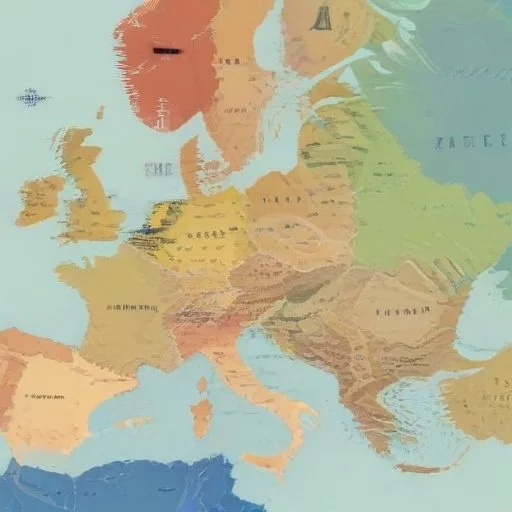
Detailed Character Insight
Robert Clive: The Conqueror of Bengal
Robert Clive was a British East India Company officer who played a crucial role in the Seven Years War, particularly in the Indian subcontinent.
Born in 1725, Clive rose through the ranks of the East India Company, showcasing his military prowess and strategic thinking.
In 1756, Clive led the capture of Arcot, a key French stronghold in southern India, which marked a significant turning point in the war.
Clive's conquests in India not only expanded British territory but also secured valuable trade routes, cementing Britain's dominance in the region.

Cultural Influence Analysis
The Seven Years War and the Emergence of National Identity
The Seven Years War had a profound impact on the cultural and social fabric of the nations involved.
The war sparked a renewed sense of nationalism, as countries began to assert their identities and interests on the global stage.
In Britain, the war fueled a sense of patriotism, as Britons rallied behind their government and celebrated their military victories.
This emerging national identity would shape British politics, culture, and society for generations to come.
Geopolitical Analysis
The Geopolitical Context of the Seven Years War
The Seven Years War was fought against the backdrop of a complex and volatile global geopolitical landscape.
The war was part of a broader struggle for colonial supremacy, with European powers vying for control of territories and trade routes around the world.
The conflict also involved a delicate balance of power in Europe, as Britain, France, and Prussia jostled for influence and territory.
This complex web of alliances and rivalries would continue to shape global politics for centuries to come.

In-Depth Political Study
The Diplomatic Maneuvers of the Seven Years War
The Seven Years War was characterized by intricate diplomatic maneuvers, as European powers sought to gain the upper hand.
Britain's Prime Minister, William Pitt the Elder, was a master of diplomacy, forging key alliances with Prussia and Hanover.
Meanwhile, France's efforts to secure alliances with Austria and Russia ultimately proved unsuccessful.
The war highlighted the importance of diplomacy in international relations, demonstrating how clever diplomacy could prove decisive in times of conflict.
Comprehensive Historiographical Analysis
Historians' Perspectives on the Seven Years War
Historians have long debated the significance and impact of the Seven Years War.
Some view the war as a turning point in British history, marking the beginning of Britain's rise to global dominance.
Others see the war as a precursor to the American and French Revolutions, highlighting the growing tensions between European powers and their colonies.
Regardless, the Seven Years War remains a pivotal event in world history, continues to fascinate and inform historians today.


