


On March 7, 1971, Sheikh Mujibur Rahman, the charismatic leader of East Pakistan, stood at the Racecourse Field in Dhaka, now known as Suhrawardy Udyan, and delivered a speech that would etch its mark in the annals of history. This iconic address, known as the 7th March Speech, was a clarion call to the Bengali people to rise up against the oppressive Pakistani regime and fight for their independence.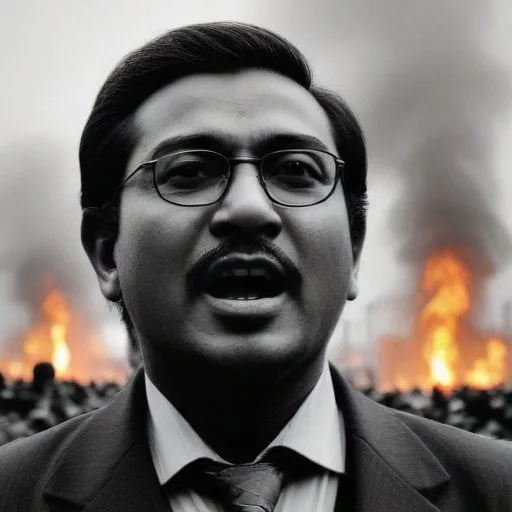
In the late 1960s and early 1970s, tensions between East Pakistan and West Pakistan, dominated by the Punjabi elite, were simmering. The Bengali people, who made up the majority of the population, felt marginalized and discriminated against, with their language, culture, and identity ignored. The Pakistani government's attempts to impose Urdu as the national language and suppress Bengali cultural identity sparked widespread unrest and demands for autonomy.
On that fateful day, Sheikh Mujibur Rahman, addressing a sea of faces, proclaimed, "The struggle now is the struggle for our freedom." His words electrified the crowd, conjuring up images of a free Bangladesh. The Pakistani military, already cracking down on Bengali dissent, responded with brutal force, but Mujib's words had ignited a fire that would soon engulf the region.
The 7th March Speech and the subsequent Bangladesh Liberation War led to the emergence of Bangladesh as an independent nation. The speech also solidified Sheikh Mujibur Rahman's position as the leader of the Bengali people and paved the way for his presidency in the newly formed country.
The 7th March Speech has become an integral part of Bangladeshi cultural heritage, with its message of freedom and self-determination inspiring generations. The speech has also been immortalized in literature, art, and music, with many Bengali artists paying tribute to this pivotal moment in history.
The 7th March Speech has become a beacon of hope and inspiration for people fighting for their rights and freedom around the world. It serves as a powerful reminder of the importance of self-determination and the need to stand up against oppression.
In conclusion, the 7th March Speech was a defining moment in Bangladesh's struggle for independence, igniting a fire that would eventually lead to the birth of a new nation. Sheikh Mujibur Rahman's thunderous call to freedom continues to resonate with people today, inspiring generations to fight for their rights and dignity.
Tajuddin Ahmad, a close associate of Sheikh Mujibur Rahman, played a crucial role in the Bangladesh Liberation War. A seasoned politician and strategist, Ahmad was instrumental in organizing the Bengali resistance against the Pakistani army. His efforts helped to galvanize the masses and turn the tide of the war in favor of the Bangladeshis.
Despite his significant contributions, Ahmad remained humble and dedicated to the cause of Bengali independence. His selflessness and commitment to the people of Bangladesh earned him a special place in the hearts of the Bengali people.

In 1971, the geopolitical landscape was marked by Cold War rivalries and regional tensions. The Indo-Pakistani War of 1965 had left deep scars, and the region was ripe for conflict. The United States, under President Nixon, was heavily invested in supporting Pakistan, while India, under Prime Minister Indira Gandhi, was sympathetic to the Bengali cause.
Against this backdrop, the 7th March Speech and the subsequent Bangladesh Liberation War took on a larger significance. The conflict was not just a domestic issue but had far-reaching implications for regional politics and international relations.
The Bangladesh Liberation War had a devastating impact on the economy of Bangladesh. The conflict led to widespread destruction of infrastructure, industries, and agricultural lands, resulting in significant losses to the country's GDP.
However, in the aftermath of the war, Bangladesh received significant economic aid from the international community, which helped to rebuild the country. The new government, led by Sheikh Mujibur Rahman, implemented policies aimed at revitalizing the economy and promoting growth.
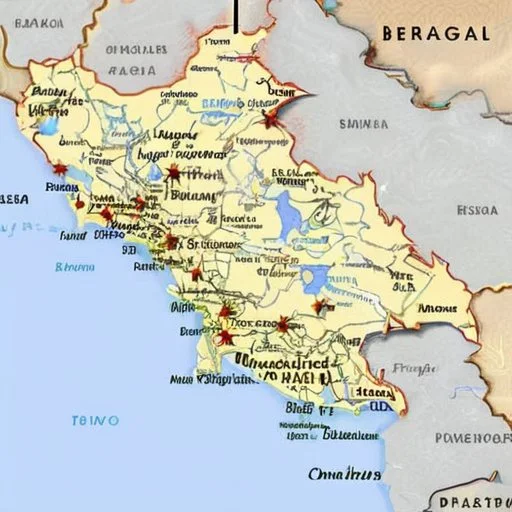
The 7th March Speech has become an integral part of Bangladeshi cultural heritage, inspiring countless works of literature, art, and music. The speech has been immortalized in the collective memory of the Bengali people, symbolizing their struggle for freedom and self-determination.
In Bangladesh, the speech is celebrated as a national event, with March 7th observed as a public holiday. The speech has also inspired cultural movements and social activism, continuing to inspire generations of Bangladeshis.
The 7th March Speech marked a turning point in the political landscape of Bangladesh. The speech galvanized the Bengali people, giving them a sense of purpose and direction in their struggle for independence.
The speech also had significant implications for the Pakistani regime, which responded with brutal force, further escalating the conflict. The speech ultimately led to the birth of a new nation, with Sheikh Mujibur Rahman as its founding father.