


National Absinthe Day raises a glass to the legendary “Green Fairy”! This infamous spirit, known for its strong, aromatic flavors and mystique, was once banned but is now celebrated by cocktail aficionados everywhere. With its blend of wormwood, anise, and other botanicals, absinthe has a storied past that includes artists, writers, and a touch of controversy. Whether you sip it traditionally with water and sugar or enjoy it in a modern cocktail, today’s the day to appreciate this enigmatic elixir. Cheers!
 Carlos Hernandez
- (updated: March 4th, 2025 at 9:30AM)
Carlos Hernandez
- (updated: March 4th, 2025 at 9:30AM)
Imagine a spirit so enchanting that it has captured the imaginations of artists, writers, and free spirits for generations. Celebrated annually, National Absinthe Day draws enthusiasts together to revel in the mystique and allure of this anise-flavored liquor, often affectionately referred to as the "Green Fairy."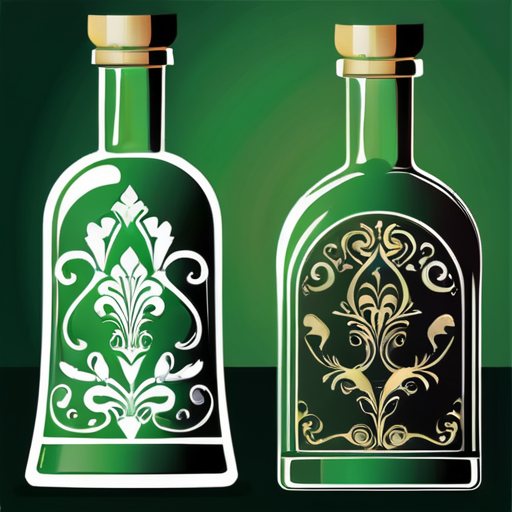
This notorious, emerald-hued spirit has inspired countless works of art and literature, and its rich history and cultural significance are worth raising a glass to. As both aficionados and curious newcomers gather to share their appreciation for absinthe, they honor its unique charm and intoxicating allure.
The experience of drinking absinthe is a ritual in itself, complete with intricate, ornate spoons and traditional sugar cubes. These slotted spoons allow the sugar cube to dissolve slowly, adding an air of mystery to the ceremony. This elaborate ritual has been immortalized in art and literature, further cementing absinthe's revered place in popular culture.
Absinthe was originally concocted in the late 18th century and quickly gained notoriety for its alleged hallucinogenic properties, leading to its ban in many countries. Despite its controversial past, absinthe has continued to fascinate, inspiring works such as Oscar Wilde's The Picture of Dorian Gray and Ernest Hemingway's The Sun Also Rises.
On this special day, enthusiasts come together to raise a glass (or two) to the "Green Fairy." They share stories, recipes, and techniques for enjoying this enigmatic spirit. Whether you're a seasoned connoisseur or a curious newcomer, National Absinthe Day offers the perfect opportunity to immerse yourself in the mystique and allure of absinthe.
As you sip and savor, reflect on the rich history and cultural significance of absinthe, and let its unique charm transport you to a world of artistic expression and Bohemian flair.
So join the revelry, and let the "Green Fairy" bewitch you. Cheers to National Absinthe Day, a celebration of the world's most enchanting spirit!
No matter how you choose to celebrate, remember to drink responsibly and embrace the magic that absinthe offers.
Farewell, dear friends, and may the "Green Fairy" guide you on your journey of discovery!
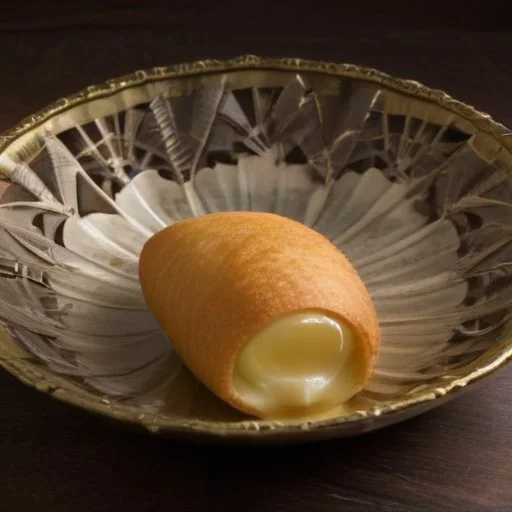
Celebrate National Absinthe Day with a delightful French dessert that pays homage to the Green Fairy. Introducing Absinthe Infused Madeleines, a delicate, shell-shaped cake infused with the subtle, anise-like flavor of absinthe. These dainty treats are perfect for pairing with a glass of absinthe, as the citrus notes of the cake complement the liquor's bold, herbal flavor. Toast to the mystique of absinthe with every bite!
Cook Time: 25 minutes
Cooking Method: Baking
Category: Dessert
Cuisine: French
Yield: 24 madeleines
Suitable For Diet: Vegetarian
Join the festive fun on World Lambrusco Day, June 21st, 2024, as friends and family gather to toast with bubbly Lambrusco, savoring its fruity flavorsmore >>
National Booch Day - Learn about this lesser-known holiday and its significance on January 15, 2025.more >>
National Cognac Day, 6/4/2024: Discover the rich, velvety spirit of Cognac, its flavor, and aroma, and indulge in a snifter.more >>
Cupcake Day (Australia) - Join the sweetest way to support animal welfare on 8/19/2024, baking and sharing cupcakes for a good cause.more >>
National Ham Salad Day, December 18, 2024: Discover creative twists on the classic American dish and get inspired to make your own delicious ham saladmore >>