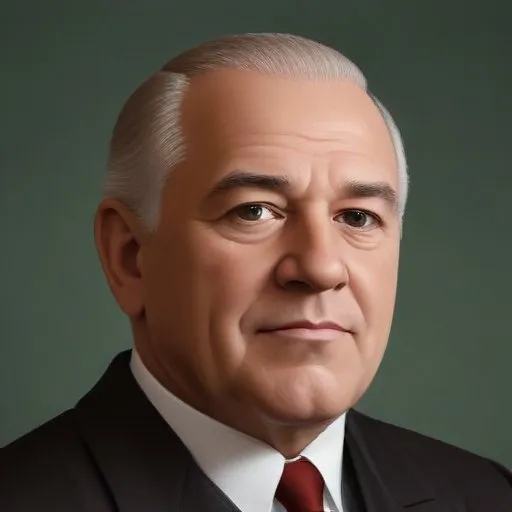
Alben W. Barkley: The Unlikely Vice President Who Shaped America's Future
Alben W. Barkley, the 35th Vice President of the United States, is best known for his tireless advocacy for liberal democracy and his instrumental role in shaping America's domestic and foreign policy during the tumultuous post-war era. From 1949 to 1953, Barkley served as the right-hand man to President
Harry S. Truman, providing a voice of reason and wisdom during a period of great uncertainty.
A Lifelong Public Servant
Born on November 24, 1877, in Wheel, Kentucky, Barkley's commitment to public service began early. He was elected to local offices in 1905 and later served as a U.S. Representative from 1912 to 1927. As a liberal Democrat, Barkley supported President
Woodrow Wilson's New Freedom domestic agenda and foreign policy, demonstrating his ability to balance pragmatism with idealism.
Rise to Prominence
In 1926, Barkley unseated Republican Senator Richard P. Ernst, marking the beginning of his Senate career. He went on to become a fierce advocate for the New Deal approach to handling the Great Depression, earning the respect of his peers and the admiration of President
Franklin D. Roosevelt. Barkley's influence grew further when he succeeded Senate Majority Leader Joseph Taylor Robinson upon his death in 1937.
A Keynote Address That Changed History
It was Barkley's impassioned keynote address at the 1948 Democratic National Convention that cemented his place in history. With Truman's popularity waning, Barkley's speech energized the delegates and helped secure the Democratic nomination for Truman. The unlikely duo went on to defeat Thomas Dewey and
Earl Warren in the general election, with Barkley becoming the Vice President of the United States.
A Partnership That Shaped America
Barkley's partnership with Truman was marked by a deep respect and trust. As Truman's primary spokesman, Barkley played a crucial role in shaping the administration's domestic agenda, particularly after the outbreak of the Korean War. His ability to connect with ordinary Americans and communicate complex ideas with simplicity earned him the nickname "The Veep."
A Legacy of Leadership
Alben W. Barkley's impact on American politics is undeniable. Throughout his career, he demonstrated a commitment to liberal democracy, foreign policy expertise, and a willingness to listen and learn. As a leader, he inspired trust and confidence, earning the respect of his contemporaries and cementing his place in American history.
Personal Milestones and Key Life Events
- June 23, 1903: Married to Dorothy Brower
- 1926: Unseated Republican Senator Richard P. Ernst
- 1937: Became Senate Majority Leader
- 1948: Delivered keynote address at the Democratic National Convention
- 1949-1953: Served as Vice President of the United States
Quotes and Memorable Sayings
- "We can either move forward together or drift apart. The choice is ours."
- "The test of our democracy is not in our ability to agree, but in our ability to disagree and still work together."
Historical Context and Legacy
Alben W. Barkley's life and career serve as a testament to the power of public service, integrity, and compassion. As a leader, he demonstrated an unwavering commitment to liberal democracy and a willingness to adapt to changing circumstances. His partnership with Truman helped shape America's post-war trajectory, and his legacy continues to inspire future generations of leaders and public servants.
FAQ
What was Alben W. Barkleys role in American politics?
Barkley served as the 35th Vice President of the United States from 1949 to 1953, working closely with President Harry S. Truman to implement key policy initiatives.
How did Alben W. Barkleys congressional career shape his vice presidency?
As a long-time member of Congress, Barkleys experience and legislative expertise helped him navigate the role of vice president, allowing him to work effectively with lawmakers and advocate for key policy initiatives.
What were Alben W. Barkleys major policy initiatives as vice president?
Barkley played a key role in shaping the Truman administrations domestic and foreign policy agendas, including support for labor unions, civil rights, and international cooperation.
How did Alben W. Barkleys personality influence his political career?
Barkleys folksy, down-to-earth personality helped him build relationships with lawmakers and ordinary Americans, earning him the nickname The Veep and cementing his place as a beloved figure in American politics.
What is Alben W. Barkleys legacy in American political history?
As a dedicated public servant and influential vice president, Barkleys contributions to American politics have left a lasting impact, ensuring his place as one of the most important vice presidents in American history.