


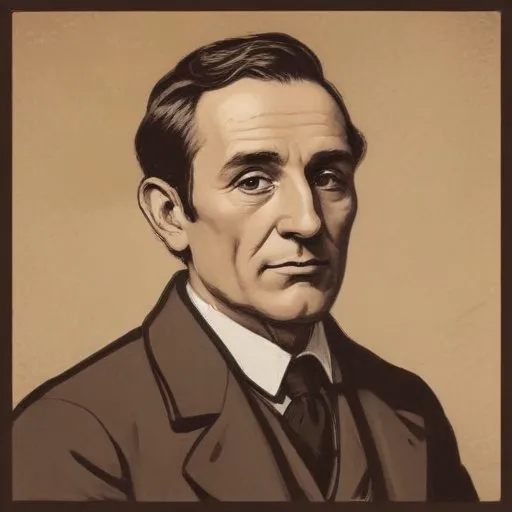
A pioneering figure in American art, known for dreamlike, symbolic, and often melancholic landscapes that explored the mysteries of nature and the human experience.
Albert Pinkham Ryder, an American painter born on March 19, 1847, is best known for his dreamy, allegorical works and seascapes that captured the essence of the ocean. His unique style, characterized by subtle variations of color and an emphasis on form, paved the way for modernism in art.
Ryder's fascination with the sea began in his childhood in New Bedford, Massachusetts, a bustling whaling port during the 19th century. The ocean's majesty and mystique would later inspire many of his works. With little known about his childhood, Ryder began painting landscapes in New Bedford, laying the foundation for his artistic journey.
Despite being rejected by the National Academy of Design, Ryder's determination led him to study art with William Edgar Marshall in New York from 1870 to 1873. He later returned to the National Academy of Design, where he exhibited his first painting in 1873 and met lifelong friend J. Alden Weir. Ryder's four trips to Europe between 1877 and 1902 exposed him to the works of the French Barbizon school and the Dutch Hague School, significantly influencing his style.
Ryder's innovative approach to color and form paved the way for modernist movements in art. His work inspired generations of artists, including the Ashcan School and the American Modernists. Today, his paintings are highly sought after, with many housed in prominent museums, including the Metropolitan Museum of Art and the National Gallery of Art.
Ryder's reclusive nature and eccentric personality have become part of his enduring mystique. He was known to take his meals at the Hotel Albert, a Greenwich Village landmark managed by his brother, and lived a simple, quiet life dedicated to his art.
Ryder's artistic philosophy was centered around capturing the essence of nature and the human experience. He believed that art should evoke emotions and inspire contemplation, rather than simply depict reality. His poetic and allegorical works continue to inspire and captivate audiences today.
Albert Pinkham Ryder's legacy continues to inspire artists, art historians, and enthusiasts alike. His poetic and evocative works remain a testament to his innovative spirit and artistic vision.
Born in 1836
A renowned artist capturing American life and landscapes through his evocative paintings and illustrations, particularly focusing on the Civil War and coastal scenes.
Born in 1844
A pioneering American artist who explored the human form through realistic and psychologically complex works, capturing the spirit of his subjects with unflinching honesty.
Born in 1856
A renowned portrait painter, capturing the essence of high society with his stunning watercolors and oils, leaving an indelible mark on the art world.
Born in 1844
An American Impressionist painter and educator, she created intimate, tender portraits of women and children, capturing the quiet beauty of everyday life. Her artwork often explored the complexities of motherhood and femininity.
Born in 1859
An American Impressionist painter and illustrator, known for capturing the essence of urban life and landscapes, particularly in his iconic flag-themed works.
96 Years Old
A pioneer of pop art, creating enigmatic works that explore the relationship between perception, reality, and meaning, often using common images like flags and targets.
Born in 1882
A pioneering realist artist capturing the essence of modern American life through poignant, cinematic scenes of urban isolation and melancholy, evoking a sense of nostalgia and quiet contemplation.
Born in 1887
Pioneering American modernist artist famous for bold, colorful depictions of enlarged flowers, landscapes, and abstract compositions that explored new ways of representing the American Southwest. Her innovative style and independence inspired generations of artists.
