


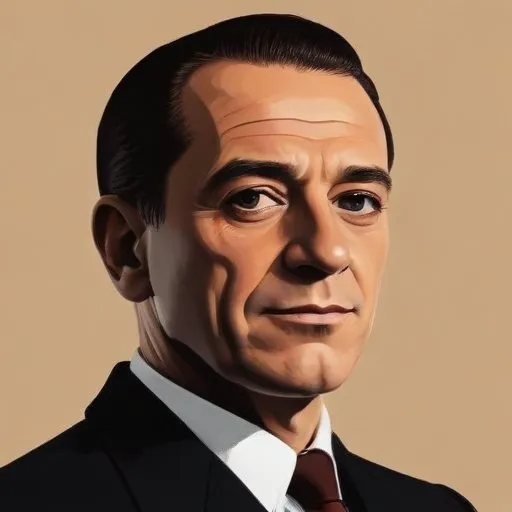
A German-Brazilian photographer and businessman who documented the lives of immigrants and slaves in 19th-century Brazil, leaving a valuable visual record of the country's history. His photographs also showcased the urban and rural landscapes of Brazil during that era.
Alberto Henschel, a German-born Brazilian photographer, is renowned for his stunning pictorial representations of Rio de Janeiro's landscape and his exceptional portraiture skills. Considered the hardest-working photographer and businessman in 19th-century Brazil, Henschel's contributions to the history of Brazilian photography are unparalleled, making him a household name in the country.
Born on June 13, 1827, in Berlin, Germany, Henschel's fascination with photography began at an early age. He immigrated to Brazil in the mid-19th century, where he established himself as a prominent photographer. His offices in Pernambuco, Bahia, Rio de Janeiro, and São Paulo became hubs for photography in Brazil, attracting other professional photographers, including his compatriot Karl Ernst Papf.
Henschel's most significant contribution to Brazilian photography is his comprehensive photographic record of the country's diverse social classes during the 19th century. His portraits, primarily in the carte de visite format, showcased the nobility, rich tradesmen, the middle class, and black people, both slaves and free, in a period preceding the Lei Áurea.
Henschel's exceptional work earned him the title of Photographo da Casa Imperial (Photographer of the Royal House), allowing him to capture the everyday life of the Brazilian monarchy during the Reign of Pedro II. This distinction not only increased recognition for his photographs but also raised their value.
The Renaissance era saw a surge in interest among Germans in Brazil, sparked by the works of Albrecht Dürer and Hans Staden. This fascination continued with the writings of Johann Baptist Emanuel Pohl, author of Viagem no Interior do Brasil. Henschel's photographs built upon this earlier interest, providing a visual representation of the Brazilian landscape and its people.
Henschel's influence on Brazilian photography extended beyond his own work. He played a pivotal role in introducing other professional photographers to the country, including Karl Ernst Papf, with whom he later collaborated. His pioneering efforts helped establish photography as a respected art form in Brazil.
Henschel's life was marked by several significant milestones, including his immigration to Brazil, his establishment of photography offices in multiple cities, and his recognition by the Royal House. His dedication to his craft and his country earned him a reputation as one of the most important photographers in 19th-century Brazil.
Alberto Henschel's photographic legacy continues to inspire and educate art enthusiasts and historians today. His contributions to Brazilian photography have cemented his place as a pioneer in the field, and his photographs remain an essential part of the country's cultural heritage.
Born in 1902
Pioneering landscape photographer and conservationist capturing iconic black-and-white images of the American West, advocating for environmental protection through art.
Born in 1895
Documented the lives of those affected by the Great Depression and the Dust Bowl through powerful, poignant photographs that humanized the struggles of the era. Captured iconic images that shaped the national conversation around poverty and social justice.
Born in 1908
A pioneer of street photography, capturing life's fleeting moments in elegant, geometric compositions that defined the genre. Known for coining the term "the decisive moment."
Born in 1913
A pioneering war photographer and journalist, capturing iconic images of conflict and human struggle, particularly during World War II and the Spanish Civil War.
Born in 1912
A pioneering African American photographer and filmmaker who captured the lives of marginalized communities, exposing social injustices through powerful, poignant images.
Born in 1904
Pioneering photographer and journalist who captured iconic images of the Great Depression and World War II, and was the first woman to fly on a combat mission.
Born in 1921
A pioneering photojournalist capturing intimate, vibrant moments of humanity, often using bold colors and abstract compositions to convey emotion and tell stories.
