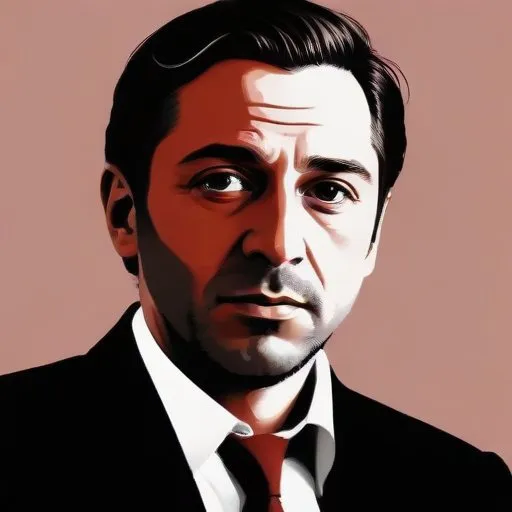
Alessandro Blasetti: The Father of Italian Cinema
Alessandro Blasetti is renowned as one of the leading figures in Italian cinema, particularly during the Fascist era, and is often referred to as the "father of Italian cinema" due to his pivotal role in reviving the struggling industry in the late 1920s. His directorial debut,
Sun, marked the beginning of a new era in Italian filmmaking, earning him recognition and praise from none other than
Benito Mussolini himself.
Early Life and Career
Born on July 3, 1900, in Rome, Italy, Blasetti studied law at university but soon shifted his focus to journalism and film criticism. He worked for several film magazines, campaigning for national film production, which had largely ceased by the time. In 1919, he made a brief appearance as an extra in Mario Caserini's
Tortured Soul.
Director and Screenwriter
Blasetti's directorial debut,
Sun (1929), was a fictional story set against the ongoing draining of the Pontine Marshes. The film received widespread acclaim, leading to an offer from Stefano Pittaluga, the only significant commercial producer left working in Italy at the time. Pittaluga had recently converted his Rome studios for sound films, and Blasetti directed what would have been the first Italian sound film,
Resurrection. Although delayed, it was still a significant milestone in Italian cinema.
In 1934, Blasetti directed the play 18 BL, a mass theatre performed outdoors with 2,000 amateur actors. This innovative approach to storytelling showcased his creativity and willingness to experiment with new formats.
Impact on Italian Cinema
Blasetti's contributions to Italian cinema were instrumental in its revival during the 1930s. He lobbied for greater state funding and support, which ultimately led to the construction of the large Cinecittà studios in Rome. His approach to budget and use of regular people, non-professional actors, set a precedent that paved the way for the neorealist movement.
Awards and Honors
Blasetti received numerous awards and honors for his contributions to Italian cinema, including the National Prize for Cinema in 1947 and the Golden Lion for Lifetime Achievement at the Venice Film Festival in 1967.
Legacy
Alessandro Blasetti's legacy extends far beyond his own films. He played a crucial role in shaping the course of Italian cinema, influencing generations of filmmakers, including the renowned neorealists
Vittorio De Sica and
Roberto Rossellini. His innovative approach to storytelling, use of natural settings, and emphasis on social realism continue to inspire filmmakers today.
Blasetti's influence on modern society extends beyond the realm of cinema. His commitment to social realism and his portrayal of everyday people's struggles resonated with audiences, contributing to a greater awareness of social issues and sparking important conversations.
Personal Life and Later Years
Blasetti passed away on February 1, 1987, in Rome, leaving behind a legacy that continues to inspire and influence filmmakers to this day. His remarkable life and career serve as a testament to his dedication to his craft and his unwavering passion for storytelling.
As we reflect on Blasetti's life and achievements, we are reminded of the power of cinema to inspire, educate, and bring people together. His legacy serves as a beacon, encouraging us to strive for excellence, innovation, and social responsibility in our own creative pursuits.
FAQ
What was Alessandro Blasettis early film career like?
Alessandro Blasetti began his film career in the 1920s as a screenwriter and director. He was influenced by the Italian neorealist movement and went on to create socially conscious films that explored the human condition.
What were some of Alessandro Blasettis most notable films?
Blasettis notable films include 1860 (1934), The Iron Crown (1941), and Fabiola (1949). His work often explored themes of social justice, morality, and human relationships.
Did Alessandro Blasetti receive any awards for his films?
Yes, Blasetti won the Golden Lion at the Venice Film Festival for Fabiola in 1949. He was also nominated for an Academy Award for Best Original Screenplay for Prima comunione (1950).
Was Alessandro Blasetti involved in the neorealist movement?
Yes, Blasetti was associated with the Italian neorealist movement, which sought to portray realistic, everyday stories on film. His work was influenced by this movement, but he also explored other genres and themes.
What was Alessandro Blasettis impact on Italian cinema?
Blasettis contributions to Italian cinema are significant, as he helped shape the neorealist movement and inspired future generations of filmmakers. His work continues to be celebrated and studied today.