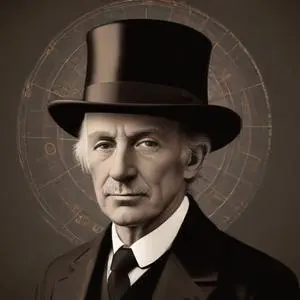
Alfred Marshall: The Visionary Behind Marshalls Department Stores
A Legacy of Discounted Luxury
Alfred Marshall is renowned for founding Marshalls, a chain of department stores that revolutionized the retail industry by offering overstocked, irregular, and out-of-season name-brand clothing at deeply discounted prices. With the opening of the first Marshalls store in 1956 in Beverly, Massachusetts, Marshall's innovative business model disrupted the traditional retail landscape, making high-end fashion accessible to the masses.
Early Life and Trials
Born on February 28, 1919, to a prosperous Jewish family in Lawrence, Massachusetts, Marshall's life was marked by resilience and determination. His father,
Louis Marshall, abandoned the family after losing everything in the Great Depression, leaving Marshall to navigate the challenges of poverty and uncertainty. Despite these obstacles, Marshall persevered, graduating from Beverly High School in 1937.
Serving the Nation and Building Foundations
During World War II, Marshall worked as a civilian underwater welder for the United States Navy, contributing to the war effort by repairing damaged ships in Hawaii. After the war, he returned to Beverly, where he married his first wife, Marirose Pelletier. This period laid the groundwork for Marshall's future entrepreneurial ventures, as he began working as a welder and contractor, eventually purchasing a fruit stand that would become the foundation of his business empire.
The Birth of Marshalls
In the 1950s, Marshall's entrepreneurial spirit took flight as he expanded his fruit stand into a supermarket, selling wholesale products, including sundries, baby supplies, and cosmetics. The turning point came in 1956, when Marshall opened an addition to his existing supermarket, funded by two business partners. This location became the first Marshalls department store, marking the beginning of a retail revolution.
Expansion and Legacy
Throughout the 1960s and 1970s, Marshall, along with his business partners, expanded the Marshalls chain across New England and California, opening 36 locations by 1976. Marshall's pioneering approach to discounted luxury retailing not only transformed the industry but also created a lasting legacy. Today, Marshalls is a beloved brand, synonymous with exceptional value and quality.
Personal Milestones and Key Life Events
- 1919: Born on February 28th in Lawrence, Massachusetts
- 1937: Graduated from Beverly High School
- 1940s: Worked as a civilian underwater welder for the United States Navy during World War II
- 1956: Opened the first Marshalls department store in Beverly, Massachusetts
- 1976: Marshalls expanded to 36 locations across New England and California
- 2013: Passed away on December 28th at the age of 94
A Lasting Impact on Retail
Alfred Marshall's remarkable story serves as a testament to the power of innovation, perseverance, and entrepreneurial spirit. By providing high-quality products at affordable prices, Marshall democratized luxury retail, making it accessible to people from all walks of life. As a visionary and a pioneer, Alfred Marshall leaves behind a legacy that continues to inspire and influence the retail industry today.
FAQ
What are Alfred Marshalls contributions to economics?
Alfred Marshall made significant contributions to economics, including the development of the concept of marginal utility and the introduction of the concept of elasticity of demand. His work Principles of Economics is considered one of the most influential economics texts of all time.
What is Alfred Marshalls theory of prices?
Alfred Marshalls theory of prices, as outlined in his book Principles of Economics, states that the price of a good is determined by the intersection of the demand and supply curves. He believed that prices are influenced by both the subjective value of a good to consumers and the objective cost of production.
How did Alfred Marshall influence modern economics?
Alfred Marshalls work had a profound influence on modern economics, shaping the development of microeconomics and macroeconomics. His ideas on marginal analysis, supply and demand, and the behavior of firms and consumers continue to influence economic theory and policy today.
What are Alfred Marshalls views on capitalism?
Alfred Marshall was a strong advocate for capitalism, believing that it was the most effective system for promoting economic growth and prosperity. However, he also recognized the need for government intervention to address issues of poverty and inequality.
What is Alfred Marshalls legacy in academic economics?
Alfred Marshalls legacy in academic economics is immense, with many considering him one of the founders of modern economics. He was a prolific writer and teacher, and his work continues to be studied by economics students around the world.