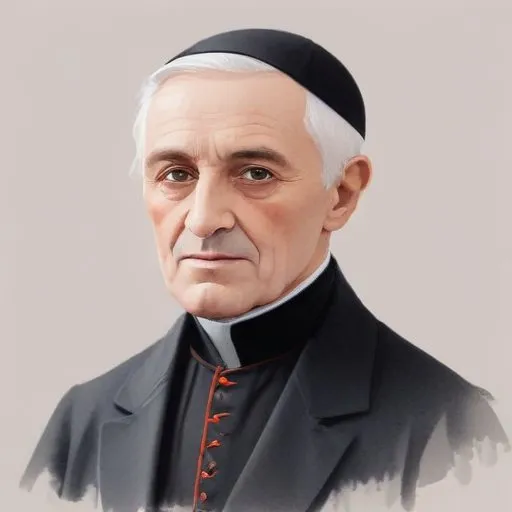
Ambroise-Marie Carr: A Beacon of Hope and Intellectualism
A Life Dedicated to Faith and Scholarship
Ambroise-Marie Carr, a distinguished Catholic priest, author, and esteemed member of the Académie française, left an indelible mark on the world of theology, literature, and academia. Throughout his remarkable life, he tirelessly championed the causes of social justice, intellectual freedom, and interfaith dialogue, earning him widespread recognition and admiration.
Early Life and Education
Born on July 25, 1908, in Fleuryles-Aubrais, Loiret, France, Carr's early life was shaped by his experiences at l'École Saint-Joseph and the Collège Sainte-Croix de Neuilly. In 1926, he entered the Dominican order, and seven years later, he was ordained as a priest. This foundational period laid the groundwork for his future endeavors, which would consistently reflect his commitment to faith, education, and humanitarianism.
A Champion of Human Rights and Intellectual Freedom
During the tumultuous years of World War II, Carr played a pivotal role in aiding those persecuted by the Vichy government, regardless of their religious or ethnic background. His courageous efforts earned him the esteemed Légion d'honneur and the Croix de Guerre. Throughout his life, he continued to espouse the values of tolerance, compassion, and intellectual freedom, inspiring countless individuals to strive for a more just and equitable society.
Prolific Author and Orator
Carr's literary output was remarkable, with numerous publications that explored the intricacies of theology, philosophy, and social commentary. As a sought-after orator, he preached sermons and participated in conferences across France, the Netherlands, Switzerland, Italy, and Belgium. His eloquence and erudition earned him the privilege of presenting spiritual exercises at the Vatican in 1964, a testament to his reputation as a leading voice in Catholic intellectual circles.
Académie Française and Later Life
In 1975, Carr was elected to the esteemed Académie française, succeeding Jean Cardinal Daniélou. He held this prestigious position until his passing on January 15, 2004, at the age of 95. Throughout his later life, he continued to write, preach, and inspire, leaving behind a legacy that transcended boundaries of faith, nation, and discipline.
Philosophical Contributions and Beliefs
Carr's intellectual contributions were rooted in his commitment to Catholicism, yet he also engaged with a broad range of philosophical and theological perspectives. His writings and teachings reflected a nuanced understanding of the human condition, emphasizing the importance of compassion, tolerance, and intellectual curiosity. By bridging the gap between faith and reason, he inspired a new generation of thinkers and scholars to explore the complexities of human existence.
Personal Milestones and Key Life Events
- Born on July 25, 1908, in Fleuryles-Aubrais, Loiret, France
- Entered the Dominican order in 1926
- Ordained as a priest in 1933
- Edited the Revue des Jeunes from 1936 to 1939
- Aided those persecuted by the Vichy government during World War II
- Presented spiritual exercises at the Vatican in 1964
- Elected to the Académie française in 1975
- Passed away on January 15, 2004, at the age of 95
Legacy and Impact
Ambroise-Marie Carr's remarkable life serves as a testament to the power of faith, intellect, and compassion. Through his writing, preaching, and humanitarian efforts, he inspired countless individuals to strive for a more just and equitable society. As a beacon of hope and intellectualism, his legacy continues to inspire future generations to engage with the complexities of human existence, fostering a deeper understanding of the world and our place within it.