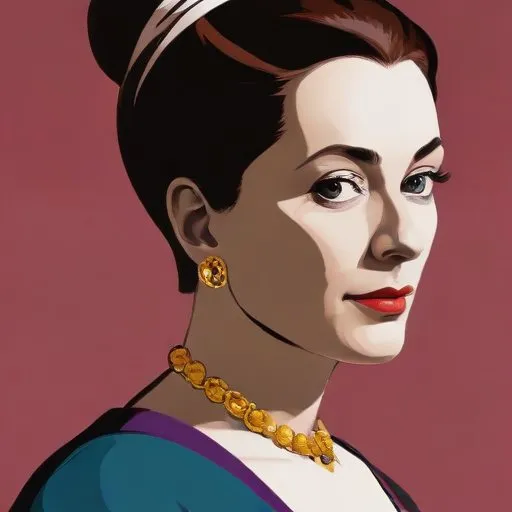
Anne Cecil, Countess of Oxford: The Royal Patron of the Arts
A Legacy of Cultural Significance
Anne Cecil, Countess of Oxford, is renowned for her unwavering patronage of the arts, earning her a revered place in English history. As the wife of
Edward de Vere, 17th Earl of Oxford, she played a pivotal role in fostering a cultural Renaissance in 16th-century England, nurturing the talents of luminaries like
William Shakespeare and Christopher Marlowe.
The Early Life and Marriage
Born in 1556, Anne Cecil was the daughter of
William Cecil, 1st Baron Burghley, a prominent statesman and chief advisor to Queen Elizabeth I. Her marriage to Edward de Vere in 1571 cemented her position within the royal court, allowing her to wield considerable influence over the arts and literature.
Patronage of the Arts
Anne Cecil's most lasting legacy lies in her tireless promotion of the arts. She was a skilled musician, poet, and linguist, and her love for the creative arts inspired a new generation of writers, playwrights, and performers. Her patronage extended to the likes of William Shakespeare, who is believed to have written
A Midsummer Night's Dream in her honor.
Salons and Societies
The Countess's London residence, Castle Hedingham, became a hub for literary and artistic gatherings, hosting prominent figures like Francis Bacon, Robert Greene, and John Donne. These salons provided a platform for artists to share their work, receive feedback, and find patronage, fostering a sense of community and cooperation that defined the era.
Personal Milestones and Key Life Events
- 1556: Born to William Cecil, 1st Baron Burghley
- 1571: Married Edward de Vere, 17th Earl of Oxford
- 1580s: Established her London residence, Castle Hedingham, as a hub for literary and artistic gatherings
- 1590s: Continued to patronize the arts, supporting writers and playwrights like William Shakespeare and Christopher Marlowe
Influence on Modern Society
Anne Cecil's unwavering dedication to the arts has had a profound impact on modern society. Her patronage of William Shakespeare, in particular, has contributed to the Bard's enduring popularity, shaping the course of English literature and theater.
Philosophical Contributions and Beliefs
The Countess's love for the arts was rooted in her humanist ideals, which emphasized the importance of education, cultural refinement, and individual expression. Her patronage of the arts was, in essence, a reflection of her deep-seated belief in the transformative power of creative expression.
Visual Timeline and Milestones
 Artist's rendition of Anne Cecil, Countess of Oxford (1556-1588)
Legacy and Historical Context
Anne Cecil, Countess of Oxford, was a true Renaissance woman, whose tireless promotion of the arts has left an indelible mark on English cultural heritage. Her patronage of William Shakespeare, in particular, has cemented her place in the annals of literary history, ensuring her legacy as a champion of creative expression.
FAQ
What was Anne Cecils role in English history?
Anne Cecil, Countess of Oxford, played a significant role in English history as a member of the powerful Cecil family. She was a patron of the arts and a prominent figure in court society.
What was Anne Cecils relationship with Queen Elizabeth I?
Anne Cecil was a lady-in-waiting to Queen Elizabeth I and a member of her inner circle. The two women had a close relationship, and Anne was a frequent visitor to court.
What were Anne Cecils interests and pursuits?
Anne Cecil was a patron of the arts and a lover of literature. She was a strong supporter of William Shakespeare and his company, and was known for her love of music and dancing.
What was Anne Cecils role in the Cecil family?
Anne Cecil was a member of the powerful Cecil family, which dominated English politics during the Elizabethan era. She was the daughter of William Cecil, Lord Burghley, and played an important role in family affairs.
How did Anne Cecils marriage impact her life and career?
Anne Cecils marriage to Edward de Vere, 17th Earl of Oxford, had a significant impact on her life and career. The marriage brought her wealth and status, but also limited her independence and freedom.