


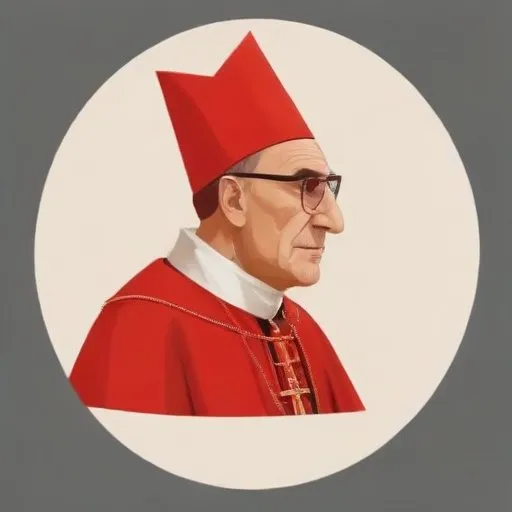
A prominent figure in the Catholic Church, serving as the Apostolic Nuncio to Germany and playing a key role in the First Vatican Council, known for his diplomatic efforts and theological writings.
Antonio Agliardi, an Italian Roman Catholic Cardinal, archbishop, and papal diplomat, is best known for his remarkable service to the Catholic Church, spanning over three decades. Throughout his storied career, he held various key positions, earning him a reputation as a skilled and devoted advocate for the Church.
Born on September 4, 1832, in Cologno al Serio, Province of Bergamo, Agliardi studied theology and canon law, laying the foundation for his future endeavors. Following his education, he served as a parish priest in his native diocese for twelve years, honing his skills and deepening his commitment to the Church.
In 1884, Agliardi was appointed Archbishop of Caesarea in partibus by Pope Leo XIII, marking the beginning of his diplomatic career. He was subsequently sent to India as an Apostolic Delegate, tasked with reporting on the establishment of the hierarchy in the region. This experience would prove invaluable, as he would later revisit India in 1887 to implement the concordat arranged with Portugal.
Throughout his life, Agliardi's unwavering commitment to the Catholic Church earned him respect and admiration from his peers. His diplomatic skills, coupled with his deep understanding of the Church's doctrine, enabled him to navigate complex situations and facilitate critical agreements. His legacy continues to inspire future generations of Church leaders and diplomats.
Antonio Agliardi passed away on March 19, 1915, in Rome, leaving behind a legacy of devotion, diplomacy, and service to the Catholic Church. He was buried in Bergamo, a poignant reminder of his humble beginnings and remarkable journey.
Born in 1504
Leader of the Catholic Church during the Counter-Reformation, he excommunicated Queen Elizabeth I and played a key role in the Council of Trent.
Born in 1876
The leader of the Catholic Church from 1939 to 1958, known for his controversial role during World War II, particularly in regards to the Holocaust. He is also remembered for his encyclicals on social justice and liturgical reforms.
Born in 1675
A 18th-century pope who reformed the Catholic Church, promoting tolerance and scholarship, and is known for his encyclicals on topics like usury and the sacraments.
Born in 1810
The first pope to fully embrace modernity, he issued the groundbreaking encyclical Rerum Novarum, which addressed social justice and workers' rights, shaping the Catholic Church's stance on social issues.
Born in 1881
Reformed the Catholic Church, introducing progressive reforms and ecumenical dialogue, and convened the Second Vatican Council.
Born in 1417
A 15th-century pope who played a significant role in the fall of the Western Schism, ending the division in the Catholic Church. He's also known for his lavish spending and nepotism.
Born in 1920
Leader of the Catholic Church from 1978 to 2005, known for helping to end communism in Poland and being a charismatic advocate for human rights and social justice.
Born in 1920
Leader of the Catholic Church from 1978 to 2005, known for helping to end communism in Poland and being a charismatic advocate for human rights and social justice.
