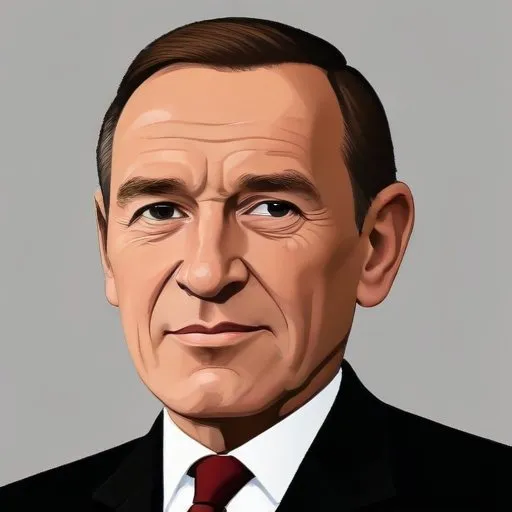
Sir Arnold Henry Nordmeyer: The Architect of New Zealand's Comprehensive National Health Service
A Legacy of Economic Policy and Social Reform
Arnold Nordmeyer is renowned for his instrumental role in shaping New Zealand's economic landscape and introducing the country's comprehensive national health service. As a prominent politician and Presbyterian minister, Nordmeyer's legacy is deeply rooted in his commitment to social reform and his passion for improving the lives of New Zealanders.
Early Life and Education
Born on 7 February 1901 in Dunedin, New Zealand, Nordmeyer was the son of a German immigrant father and a mother from Northern Ireland. He received his education at Waitaki Boys High School and later at the University of Otago, where he completed his Bachelor of Arts degree. It was during his university days that Nordmeyer developed his skills in debating, which would later serve him well in his political career.
The Path to Politics
Nordmeyer's foray into politics began in 1925, when he was ordained as a Presbyterian minister. He was appointed to a position in the small town of Kurow, where he witnessed firsthand the devastating effects of the Great Depression on the community. This experience sparked his interest in radical political theory, and he began to study ways to address the economic downturn. Nordmeyer's concern for the welfare of workers involved in the construction of a hydroelectric dam on the Waitaki River further fueled his passion for social reform.
Rise to Prominence
Nordmeyer joined the Labour Party in 1933, and his involvement with the party deepened as he became acquainted with
Walter Nash, a prominent figure who would later shape his views on health and social policy. In 1935, Nordmeyer was elected to Parliament, marking the beginning of a long and distinguished political career that would span over three decades.
Minister of Health and National Health Service
As Minister of Health from 1941 to 1947, Nordmeyer introduced New Zealand's comprehensive national health service, a groundbreaking initiative that revolutionized the country's healthcare landscape. This pioneering effort provided universal access to healthcare, regardless of social class or income, and cemented Nordmeyer's reputation as a champion of social reform.
Minister of Finance and the Black Budget
In 1957, Nordmeyer became Minister of Finance, a role that would be marked by controversy. His introduction of the Black Budget in 1958, a package of austerity measures aimed at addressing New Zealand's economic woes, sparked widespread criticism and protests. Despite the backlash, Nordmeyer's economic policies, particularly his introduction of a PAYE (Pay As You Earn) tax system, helped stabilize the economy and pave the way for future growth.
Late Career and Legacy
Nordmeyer's later years in politics were marked by his leadership of the Labour Party and his role as Leader of the Opposition from 1963 to 1965. Although he never ascended to the role of Prime Minister, his contributions to New Zealand's economic and social development are undeniable. Nordmeyer's legacy is a testament to his unwavering commitment to improving the lives of New Zealanders and his passion for creating a more just and equitable society.
Personal Life and Milestones
- Nordmeyer was knighted in 1965 for his services to politics.
- He received an honorary Doctor of Laws degree from the University of Otago in 1968.
- Nordmeyer passed away on 2 February 1989, leaving behind a legacy that continues to shape New Zealand's economic and social landscape.
In Conclusion
Sir Arnold Henry Nordmeyer's life and career are a testament to the power of dedication and vision. As a champion of social reform and a passionate advocate for the welfare of New Zealanders, Nordmeyer's legacy continues to inspire generations. His introduction of the national health service and his commitment to economic reform have left an indelible mark on New Zealand's history, cementing his place as one of the country's most influential politicians.
FAQ
What was Arnold Nordmeyers role in New Zealand politics?
Arnold Nordmeyer was a prominent figure in New Zealand politics, serving as the 30th New Zealand Minister of Finance from 1957 to 1960. He was a member of the Labour Party and played a key role in shaping the countrys economic policies.
What were Arnold Nordmeyers economic policies?
Arnold Nordmeyers economic policies focused on promoting economic growth and social welfare. He implemented a range of policies, including increasing government spending on social services and infrastructure development.
What was Arnold Nordmeyers impact on New Zealands economy?
Arnold Nordmeyers policies had a significant impact on New Zealands economy, leading to a period of rapid economic growth and development. He is credited with helping to establish New Zealand as a modern, industrialized nation.
What awards did Arnold Nordmeyer receive for his work?
Arnold Nordmeyer received numerous awards for his work, including the Companion of the Queens Service Order in 1977.
What is Arnold Nordmeyers legacy in New Zealand politics?
Arnold Nordmeyers work has had a lasting impact on New Zealand politics, particularly in the area of economic policy. He is remembered as a pioneering figure in the development of the countrys economy and social welfare system.