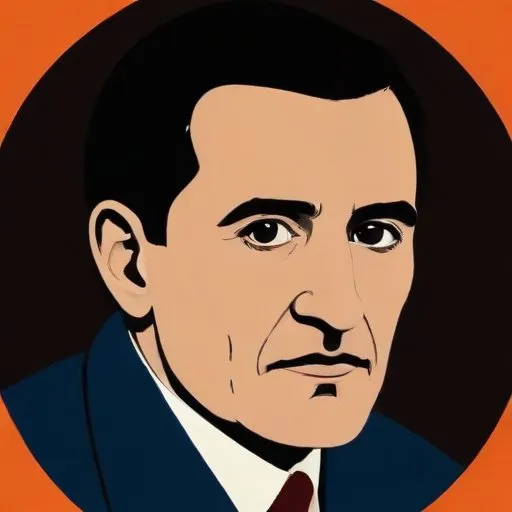
Arthur Achleitner: The Chronicler of Alpine Customs and Mediterranean Marvels
A Life Dedicated to Preserving the Essence of the Austro-Hungarian Empire
Arthur Achleitner, a German writer from the Kingdom of Bavaria, is renowned for his captivating works that delve into the local customs, quirky traditions, and enchanting landscapes of the Austrian and Bavarian Alps, as well as the Mediterranean regions of the former Austro-Hungarian Empire, including Croatia and Bosnia.
A Literary Journey Through the Austro-Hungarian Empire
Born on August 16, 1858, in Straubing, Kingdom of Bavaria, Achleitner's literary career was marked by a deep passion for storytelling and a fascination with the diverse cultures that thrived within the Austro-Hungarian Empire. His writings not only preserved the history and traditions of these regions but also brought them to life, immersing readers in the sights, sounds, and flavors of these enchanting lands.
Notable Works
Achleitner's literary repertoire includes:
- Aus Kroatien. Skizzen und Erzählungen (From Croatia. Sketches and Stories)
- Bergrichters Erdenwallen
- Celsissimus
- Im grünen Tann (In the Green Firs)
These works, written in German, offer a unique glimpse into the social, cultural, and geographical landscapes of the regions he wrote about. Achleitner's vivid descriptions and engaging narratives have captivated readers, transporting them to a bygone era of grandeur and charm.
Literary Contributions and Impact
Achleitner's works have made a significant contribution to the preservation of cultural heritage in the Austro-Hungarian Empire. His stories and sketches have helped to promote cross-cultural understanding, fostering a deeper appreciation for the region's rich history and customs. Through his writings, he has inspired generations of readers, scholars, and writers, perpetuating a sense of cultural continuity and national identity.
A Lasting Legacy
Arthur Achleitner passed away on September 29, 1927, in Munich, leaving behind a literary legacy that continues to captivate readers to this day. His works remain an indispensable part of the cultural heritage of the Austro-Hungarian Empire, offering a window into a fascinating world of customs, traditions, and landscapes that might have otherwise been lost to the sands of time.
Remembering the Chronicler
As we reflect on Achleitner's remarkable life and literary achievements, we are reminded of the power of storytelling to transcend time and borders. His works stand as a testament to the importance of preserving cultural heritage, ensuring that the stories, traditions, and customs of our collective past continue to inspire and enrich future generations.
FAQ
What is Arthur Achleitners contribution to German literature?
Arthur Achleitner was a German author and playwright who made significant contributions to German literature, particularly in the genres of naturalism and symbolism. His works are known for their realistic portrayals of everyday life and their exploration of social and psychological themes.
What are Arthur Achleitners most famous works?
Arthur Achleitners most famous works include the plays Die Kreuzelschreiber and Das Haus der Sieben Türme, as well as the novel Der tolle Bomberg. His works are known for their vivid characters, realistic settings, and exploration of social and psychological themes.
What is Arthur Achleitners role in the development of German naturalism?
Arthur Achleitner was a key figure in the development of German naturalism, a literary movement that emerged in the late 19th century. His works helped to shape the movements focus on realistic portrayals of everyday life and its exploration of social and psychological themes.
What are Arthur Achleitners other achievements?
Arthur Achleitner was also a prominent figure in German cultural life, serving as the editor of several literary journals and as a member of the German Academy of Language and Literature.
What is Arthur Achleitners legacy in German literature?
Arthur Achleitners legacy in German literature is that of a committed realist and a masterful storyteller. His works continue to be widely read and studied, and his influence can be seen in many subsequent German writers and playwrights.