


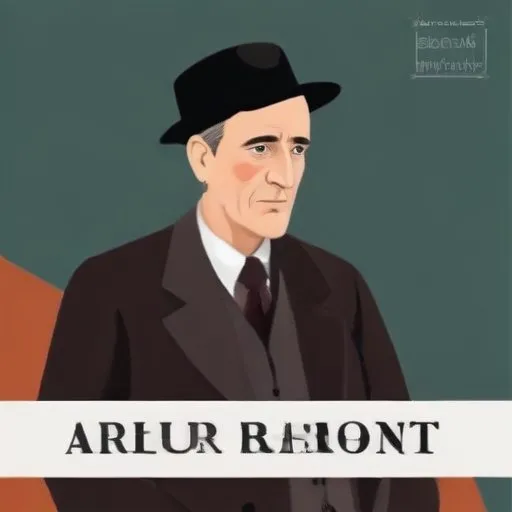
A renowned historian and journalist, best known for his vivid and engaging narratives of British history, particularly his three-volume "History of England" series. He was also a popular columnist and broadcaster.
Arthur Bryant, a renowned English historian, columnist, and man of affairs, left an indelible mark on the world of history and beyond. His extensive works, which include studies of Samuel Pepys, accounts of English eighteenth and nineteenth-century history, and a biography of George V, continue to captivate readers and inspire historical studies to this day.
Born on February 18, 1899, Bryant's life was marked by a deep fascination with history and a strong sense of duty. His early life, spent near the Buckingham Palace gardens, instilled in him a respect for traditional British protocol and a passion for English history. After attending Harrow School, he won a scholarship to Pembroke College, Cambridge, where he further honed his skills as a historian.
During World War I, Bryant served in the Royal Flying Corps, where he was commissioned as a second lieutenant in 1917. This experience would later inform his writing, particularly his accounts of military history. After the war, he turned to writing full-time, penning columns for The Illustrated London News and producing several influential historical works. His connections to the royal family, including his father's role as registrar of the Royal Victorian Order, also afforded him access to high government circles, where his works were highly regarded.
Bryant's historiography was characterized by an English romantic exceptionalism, which emphasized the unique cultural and historical heritage of England. He was critical of modern commercial and financial capitalism, instead advocating for a return to a more agrarian, traditional way of life. His emphasis on duty over rights and his skepticism of democracy also set him apart from his contemporaries.
Among Bryant's most notable works are his studies of Samuel Pepys, his accounts of English history, and his biography of George V. These works, which showcased his meticulous research and engaging writing style, solidified his reputation as a preeminent historian of his time. Although his scholarly reputation has declined somewhat since his death in 1985, his works continue to be read and studied by historians and enthusiasts alike.
Bryant's works had a significant impact on the popular understanding of English history, shaping the way people thought about their national identity and cultural heritage. His emphasis on the importance of tradition and duty also influenced the way people thought about their role in society. Furthermore, his connections to high government circles, including three prime ministers – Winston Churchill, Clement Attlee, and Harold Wilson – ensured that his ideas had a direct impact on policy and decision-making.
Arthur Bryant's remarkable life and works continue to inspire and educate, offering a unique perspective on English history and culture. As a historian, columnist, and man of affairs, he left an indelible mark on the world, shaping our understanding of the past and informing our sense of identity in the present.
Born in 1871
Prolific writer of historical novels and adventure stories, also a talented landscape painter.
Born in 1865
The second monarch of the House of Windsor, reigning from 1910 to 1936, known for leading the British Empire through World War I and modernizing the monarchy.
Born in 1900
The wife of King George VI and mother of Queen Elizabeth II, known for her strong support of the British people during World War II and her iconic sense of style.
Born in 1869
The Prime Minister who infamously appeased Nazi Germany with the Munich Agreement, hoping to avoid war, but ultimately contributing to its outbreak. He's a symbol of failed diplomacy and naivety in the face of aggression.
Born in 1897
A British politician who served as Prime Minister from 1955 to 1957, known for his role in the Suez Crisis and his diplomatic efforts during the Cold War.
Born in 1894
A British politician who served as Prime Minister from 1957 to 1963, known for leading the country through a period of economic prosperity and decolonization.
Born in 1903
A British aristocrat who served as Prime Minister from 1963 to 1964, known for his brief tenure and aristocratic background.
Born in 1885
Won the 1952 Olympic Games marathon in Helsinki, Finland, and held the world record in the marathon from 1952 to 1953.
