


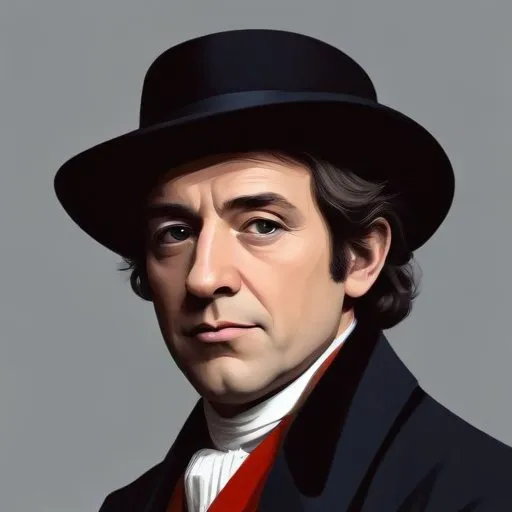
A British composer and conductor, renowned for his work in choral music, particularly with the BBC Singers, and his arrangements of folk songs and carols.
Arthur Oldham, an English composer and choirmaster, is renowned for founding the Edinburgh Festival Chorus, the Chorus of the Orchestre de Paris, and the Concertgebouw Orchestra Chorus in Amsterdam, leaving an indelible mark on the world of choral music.
Born on September 6, 1926, in London, Oldham's life took a drastic turn at the tender age of 14 when his mother committed suicide. He was brought up in Wallington, Surrey, and later earned a scholarship to the Royal College of Music, where he studied composition under the notable Herbert Howells.
Oldham's most significant mentorship was with Benjamin Britten, with whom he worked as a private pupil from 1945 to 1951 in Aldeburgh. This collaboration not only shaped his musical perspective but also led to his involvement in some of Britten's most iconic works, including Peter Grimes. Oldham claimed to have contributed to the bar lines on the manuscript of the opera.
In 1965, Oldham founded the Edinburgh Festival Chorus, which quickly gained recognition for its exceptional performances. This was followed by the establishment of the Chorus of the Orchestre de Paris in 1975 and the Concertgebouw Orchestra Chorus in Amsterdam in 1979. His work with the London Symphony Chorus earned him three Grammy Awards.
Oldham's compositional output was primarily focused on religious works, but he also ventured into ballet and opera. His most notable works include the ballet Mr. Punch, which premiered in 1946, and the arrangement of Britten's Variations on a Theme of Frank Bridge for full orchestra.
Oldham's contributions to the world of choral music did not go unnoticed. He was appointed an Officer of the Order of the British Empire (OBE) in recognition of his services to music.
Arthur Oldham's visionary leadership and compositional prowess have left a lasting impact on the world of choral music. His founding of iconic ensembles has inspired generations of musicians, and his arrangements of Britten's works have become staples of the classical music repertoire.
Arthur Oldham's remarkable story serves as a testament to the power of creativity, perseverance, and innovation, inspiring future generations of musicians to strive for excellence.
Born in 1913
A renowned musician who masterfully blended classical and opera styles, creating iconic works like "Peter Grimes" and "The Young Person's Guide to the Orchestra".
Born in 1902
A renowned composer of orchestral and choral works, particularly famous for his iconic score for Laurence Olivier's 1944 film "Henry V" and his ceremonial music for British coronations.
Born in 1872
A renowned composer and educator, he's celebrated for his symphonies and folk-song inspired works that evoke a sense of English heritage and nostalgia. His music is a testament to his love for his homeland's cultural roots.
Born in 1874
A renowned composer and educator, best known for his orchestral suite "The Planets", which evokes a sense of cosmic wonder and exploration. His music is a staple of classical repertoire, still widely performed today.
Born in 1857
A renowned composer and educator, best known for his iconic orchestral works, including the majestic "Pomp and Circumstance" march, which is a staple at graduations worldwide.
Born in 1848
A renowned composer and music historian, he's credited with elevating British music to international prominence, particularly through his iconic "Jerusalem" anthem.
Born in 1852
A renowned Irish composer, conductor, and educator who made significant contributions to the development of classical music, particularly in the UK and Ireland, and is remembered for his iconic choral works and operas.
Born in 1914
A prolific actor and director, known for his rugged, versatile performances in film and television, often playing cowboys and authority figures.
