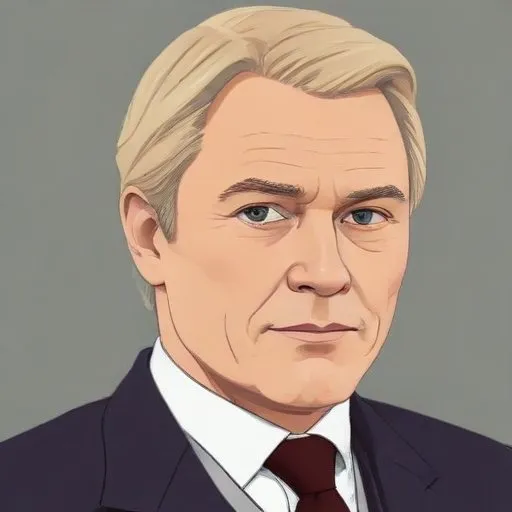
Axel Heiberg: The Pioneering Patron of Arts and Sciences
A Legacy of Exploration and Philanthropy
Axel Heiberg, a Norwegian diplomat, financier, and patron of the arts and sciences, left an indelible mark on the world of exploration, entrepreneurship, and cultural development. Heiberg's unwavering support for pioneering expeditions and his philanthropic endeavors have immortalized his name in the annals of history.
Early Life and Education
Born on March 16, 1848, in Kristiania (now Oslo), Norway, Axel Heiberg was the son of Johan Fritzner Heiberg, a professor at the University of Kristiania and general surgeon in the Norwegian Army, and Emma Wilhelmine Munch. Heiberg's early education abroad laid the foundation for his future diplomatic and entrepreneurial pursuits.
A Diplomatic Career and Philanthropic Ventures
Heiberg's diplomatic career took him to China, where he served as the Norwegian consul. Upon his return to Norway, he partnered with the brothers Amund Ringnes and Ellef Ringnes to finance the creation of the Ringnes brewery in 1876. This successful venture enabled him to sponsor the polar expeditions of
Fridtjof Nansen and Otto Sverdrup, as well as the construction of the exploration vessel Fram. As a testament to his contributions, Axel Heiberg Island in Canada, the Axel Heiberg Glacier in Antarctica, and the Heiberg Islands in Siberia were named in his honor.
Founding the Christiania RK Rowing Club
In 1878, Heiberg co-founded the Christiania RK rowing club, a testament to his passion for sports and community building.
The Consul Axel Heiberg and Manufacturer Hans B. Fasmer Fund
In 1915, Heiberg established the Consul Axel Heiberg and Manufacturer Hans B. Fasmer Fund, which was later transferred to the Fridtjof Nansen Fund. This fund supported various scientific and cultural endeavors, further solidifying Heiberg's reputation as a devoted philanthropist.
A Legacy of Cultural Contributions
Heiberg's love for the arts is evident in his sponsorship of the statues of
Henrik Ibsen and
Bjørnstjerne Bjørnson, erected outside the National Theater in Oslo. His involvement in the founding of the Norwegian Forestry Society in 1898, where he served as chairman until 1923, demonstrates his commitment to environmental conservation.
Personal Life and Family
Heiberg married Ragnhild Meyer, daughter of landowner and philanthropist Thorvald Meyer, and had one child, Ingeborg Heiberg. Ingeborg went on to marry businessman and landowner N. O. Young Fearnley.
A Lasting Impact
Axel Heiberg's multifaceted contributions to the realms of exploration, entrepreneurship, and philanthropy have left a lasting legacy. His name has become synonymous with pioneering spirit, cultural patronage, and dedication to the betterment of society. As we reflect on his remarkable life, we are reminded of the transformative power of human endeavor and the importance of nurturing the arts, sciences, and the environment.
FAQ
What was Axel Heibergs role in Norwegian diplomacy?
Axel Heiberg played a significant role in Norwegian diplomacy, serving as a diplomat and financier who worked to promote Norways interests abroad. He was particularly involved in promoting Norwegian trade and commerce.
How did Axel Heiberg contribute to the development of Norways economy?
Axel Heiberg contributed significantly to the development of Norways economy by promoting trade and commerce, and by financing key infrastructure projects such as the construction of railways and telegraph lines.
What was Axel Heibergs relationship with King Haakon VII of Norway?
Axel Heiberg enjoyed a close relationship with King Haakon VII of Norway, serving as one of his key advisors and financiers. He played a significant role in promoting the kings interests and supporting the royal family.
How did Axel Heiberg support the arts in Norway?
Axel Heiberg was a strong supporter of the arts in Norway, particularly music and theatre. He provided financial backing to several cultural institutions and supported the work of prominent Norwegian artists.
What is Axel Heibergs legacy in Norway today?
Axel Heibergs legacy in Norway today is one of philanthropy and cultural patronage. He is remembered as a key figure in Norways economic and cultural development, and his contributions to the arts continue to be celebrated.