


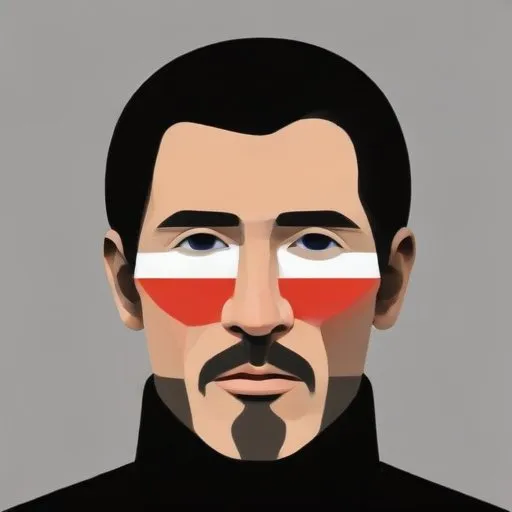
A Norwegian painter renowned for his vibrant, expressive landscapes and seascapes that captured the essence of Norway's natural beauty. His works are characterized by bold brushstrokes and a focus on light and color.
Axel Revold is renowned for his exceptional skill as a Norwegian painter, illustrator, and art professor, leaving an indelible mark on the art world and the lives of his students. As a highly decorated artist, Revold's contributions to the world of art, education, and Norwegian culture are still celebrated today.
Born on December 24, 1887, in Ålesund, Norway, Revold was the son of merchant Julius Revold and Johanne Hjelpsten. His early life was marked by a fascination with art, which led him to pursue engineering studies in Kristiania in 1906. However, his true passion lay in art, and he soon discontinued his engineering education to follow his heart.
Revold's artistic journey took him to Paris, where he studied under the tutelage of Henri Matisse for two years. This period had a profound impact on his style, which was also influenced by the works of Paul Cézanne and Kees van Dongen. These influences can be seen in his vibrant and expressive paintings, which often featured landscapes and everyday life.
Revold's artistic career spanned over four decades, during which he created a vast array of works that showcased his mastery of color and composition. Some of his most notable works include Apasjer (1912), Fiskere p Middelhavet (1914), and Kongens hjemkomst (1945), which is housed at the Royal Palace in Oslo.
In addition to his paintings, Revold was also an accomplished illustrator, having contributed to the decoration of the Oslo City Hall and illustrating Johan Bojer's book, Den siste viking. His art defied categorization, blending elements of Impressionism, Expressionism, and Fauvism to create a unique style that was both modern and timeless.
Revold's impact on art education in Norway was profound. He was appointed professor at the Norwegian National Academy of Fine Arts from 1925 to 1946, where he nurtured the talents of numerous students. During the Nazi occupation of Norway, Revold, along with fellow professor Jean Heiberg, secretly ran an undercover art academy in Oslo, known as The Factory (Fabrikken).
After the war, Revold continued to teach and inspire, leaving a lasting legacy in the world of art education. He was awarded the Prince Eugen Medal in 1955, a testament to his tireless contributions to the world of art.
Revold's personal life was marked by two marriages, first to Ingrid Møller from 1915 to 1928, and then to painter Irmelin Nansen, daughter of Fridtjof Nansen, from 1929. He was the father of artist Dagny Hald and father-in-law of Finn Hald.
Axel Revold passed away on April 11, 1962, in Bærum, Norway, leaving behind a legacy of artistic excellence, educational innovation, and a deep impact on Norwegian culture. His life and work continue to inspire generations of artists, educators, and art enthusiasts.
"Art is not just about creating something beautiful; it's about capturing the essence of life itself."
These words, attributed to Axel Revold, reflect his passion for art as a means of expressing the human experience. His legacy serves as a reminder of the transformative power of art to inspire, educate, and uplift.
Born in 1863
A Norwegian painter who created iconic, emotionally charged works that explored the human experience, including the famous piece "The Scream".
Born in 1857
A Norwegian master of dark, whimsical art, creating eerie landscapes and fantastical creatures that continue to inspire and unsettle to this day.
Born in 1847
A Norwegian painter celebrated for capturing the essence of everyday life and landscapes through impressionist brushstrokes, evoking a sense of serenity and intimacy.
