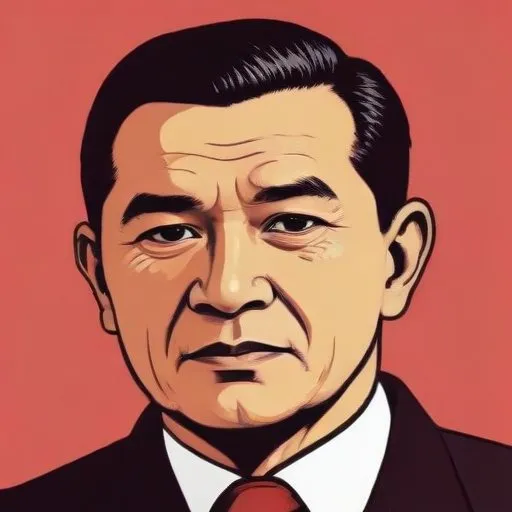
Sir Ba U: The Illustrious Burmese Politician and Lawyer
A Life of Service and Distinction
Sir Ba U is revered as a prominent Burmese politician and lawyer who left an indelible mark on the country's history. He is best known for serving as the Chief Justice of the Supreme Court of Burma from 1948 to 1952 and later as the second president of Burma from 1952 to 1957.
Early Life and Education
Born on May 26, 1887, in Pathein, Irrawaddy delta, Ba U was the son of U Poe Hla and Daw Nyunt. He demonstrated academic excellence from an early age, passing the university entry class from Rangoon Government High School. In 1907, he traveled to the University of Cambridge to pursue law, graduating in 1912.
A Distinguished Career
Ba U's remarkable career spanned over four decades, during which he served under British, Japanese, and Burmese rule. He began his career as a lawyer in Yangon (1913-1921) and later became a district judge (1921). In 1932, he was appointed to the High Court of Judicature at Rangoon as a judge. His exemplary service earned him a knighthood in 1947. As Chief Justice of the Supreme Court of Burma, he played a pivotal role in shaping the country's legal system.
Presidential Tenure and Later Life
In 1952, Ba U assumed the presidency of Burma, a position he held until 1957. During his tenure, he worked tirelessly to promote national unity and development. After his presidency, he continued to serve the country, writing his autobiography, "Ba, My Burma: The Autobiography of a President," in 1958. The book offers a unique glimpse into his life and experiences, although it is notable for its lack of discussion on public issues.
Personal Life and Legacy
Ba U's personal life was marked by love and loss. He married twice, first to Daw Nyein in 1913, with whom he had two sons. After her untimely death in 1922, he married Daw Aye in 1923, with whom he had two sons and a daughter. Daw Aye passed away in 1941. Ba U's legacy extends beyond his distinguished career to his family, where his children and grandchildren continue to carry his name and values forward.
Legacy and Impact
Sir Ba U's contributions to Burma's legal system, politics, and society at large are immeasurable. His dedication to public service, his commitment to upholding the law, and his ability to navigate complex political landscapes have inspired generations of Burmese leaders and citizens alike. Today, he is remembered as a shining example of integrity, wisdom, and devotion to his country.
Timeline of Key Events
- May 26, 1887: Born in Pathein, Irrawaddy delta
- 1907: Attended the University of Cambridge to study law
- 1912: Graduated from the University of Cambridge
- 1913: Began practicing law in Yangon
- 1921: Became a district judge
- 1932: Appointed to the High Court of Judicature at Rangoon
- 1947: Knighted
- 1948-1952: Served as Chief Justice of the Supreme Court of Burma
- 1952-1957: Served as the second president of Burma
- 1958: Published his autobiography, "Ba, My Burma: The Autobiography of a President"
- November 9, 1963: Passed away
FAQ
What was Ba Us role in Burmese history?
Ba U was the second President of Burma (now Myanmar) from 1952 to 1957. He played a key role in the countrys transition from colonial rule to independence and was a respected leader in the early years of Burmese independence.
How did Ba U contribute to Burmese politics?
Ba U was a prominent figure in Burmese politics, serving as President, Prime Minister, and leader of the Anti-Fascist Peoples Freedom League. He worked to promote democracy and national unity in Burma.
What was Ba Us stance on colonialism?
Ba U was a strong opponent of British colonial rule in Burma and played a key role in the countrys fight for independence. He was a vocal advocate for Burmese self-rule and worked tirelessly to promote national sovereignty.
Did Ba U receive any international recognition?
Ba U was internationally recognized for his leadership and commitment to democracy. He was awarded the Knight Grand Cross of the Order of the British Empire in 1947 for his services to Burma during World War II.
What is Ba Us legacy in Burmese politics?
Ba U is remembered as a champion of democracy and national unity in Burma. He played a crucial role in shaping the countrys early years of independence and is revered as a national hero.