


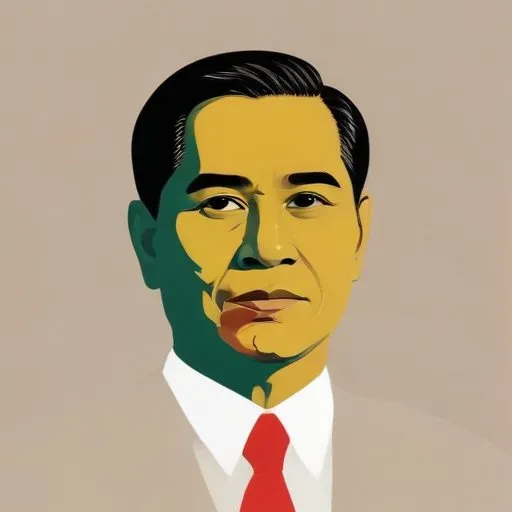
The third President of Myanmar, serving from 1957 to 1962, known for his efforts to establish a parliamentary democracy and promote national unity. He played a crucial role in shaping the country's early years of independence.
Win Maung, the third president of Burma, is a name synonymous with statesmanship, leadership, and humility. Between 1957 and 1962, he navigated the country through turbulent times, earning the respect of his people and the international community.
Win Maung was born on April 17, 1916, in the Irrawaddy delta, Burma, to Daw Tharya and U Shwe Yin. As an ethnic Karen, he was part of a minority group that made up about 7% of the country's population. Despite these humble beginnings, Win Maung's intellect and charisma propelled him to the top echelons of Burmese politics.
After graduating from Rangoon University's Judson College with a B.A. in 1937, Win Maung began his career in the civil service. He quickly rose through the ranks, serving in various ministerial positions between 1947 and 1956, including Minister of Mining and Labour, Minister of Transport and Telecommunication, and Minister of Water, Air, and Coastal Shipping. His exceptional leadership skills and commitment to public service earned him the trust of Prime Minister U Nu, who selected him as his presidential successor in March 1957.
As president, Win Maung worked tirelessly to promote national unity, economic development, and social justice. He was known for his simplicity, humility, and compassion, earning him the affectionate title of "Gentleman President." During his tenure, he implemented measures to promote agriculture, industry, and education, laying the foundation for Burma's economic growth.
In December 1957, Win Maung made a private visit to the United States, where he received medical treatment and met with President Dwight D. Eisenhower. This encounter marked a significant milestone in Burma-U.S. relations, showcasing Win Maung's commitment to international cooperation and dialogue.
Win Maung's life was marked by dedicating himself to the service of his country. After being ousted from power in 1962, he was imprisoned for five years, but his spirit remained unbroken. Upon his release, he continued to promote democracy, justice, and peace, inspiring generations of Burmese citizens.
Today, Win Maung's legacy serves as a beacon of hope for a country still grappling with the challenges of democratization and national reconciliation. His commitment to the principles of democracy, justice, and equality continues to inspire Burmese citizens, policymakers, and international leaders alike.
Win Maung's life was marked by several personal milestones, including his marriage to Daw Khin May and the birth of their three children. Despite the demands of public life, he remained committed to his family, earning the respect and admiration of those around him.
Win Maung's philosophy was rooted in the principles of democracy, justice, and human rights. He believed that leaders must serve the people, not themselves, and that power must be exercised with humility and compassion. His commitment to these ideals continues to inspire generations of Burmese citizens and leaders.
Win Maung's legacy extends far beyond his presidential tenure. He continues to inspire Burmese citizens to strive for democracy, justice, and equality. His commitment to human rights, education, and economic development has left an indelible mark on Burmese society, shaping the country's trajectory and informing its ongoing struggle for democratization.
As we reflect on Win Maung's life and legacy, we are reminded of the power of quiet leadership, humility, and compassion. His story serves as a testament to the transformative potential of democracy, justice, and human rights, inspiring us to strive for a more just and equitable world.
Born in 1910
A Burmese army general and politician who ruled the country with an iron fist, implementing isolationist and nationalist policies that led to economic stagnation and human rights abuses.
Born in 1909
A Burmese educator and diplomat who served as the 3rd United Nations Secretary-General, mediating international conflicts and promoting global cooperation. He's known for his quiet diplomacy and leadership during the Cold War era.
Born in 1907
First Prime Minister of Burma, leading the country to independence from British colonial rule and establishing a democratic government. He's also known for his efforts to promote Buddhism and national unity.
Born in 1893
A Burmese lawyer and politician who served as Prime Minister of Burma, leading the country to independence from British colonial rule and playing a key role in shaping its early years. He's also known for his efforts to promote national unity and reconciliation.
Born in 1915
Led the fight for Burmese independence from British colonial rule and is considered the founder of modern Burma. He was assassinated before independence was achieved, but his daughter Aung San Suu Kyi continued his legacy.
93 Years Old
A Burmese general and politician who served as the Prime Minister of Burma from 1992 to 2011, known for his authoritarian rule and human rights abuses.
81 Years Old
A former general who led Myanmar's transition from military rule to democracy, known for his reforms and release of political prisoners.
