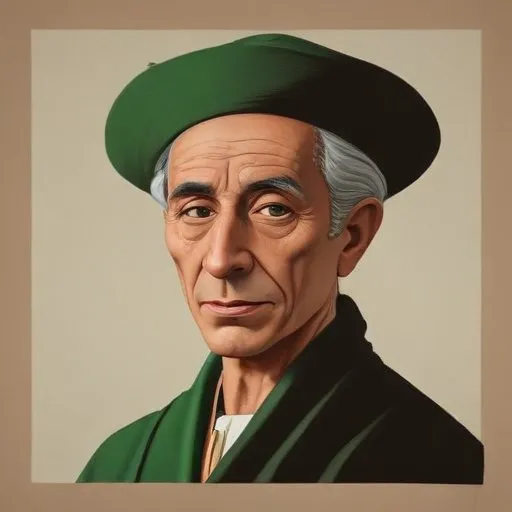
Bartolomeo Pinelli

Bartolomeo Pinelli

Bartolomeo Pinelli was born on November 20th, 1781

Full Name: Bartolomeo Pinelli
Nationality: Italian
Occupation: Illustrator and engraver
Birth Year: 1781
Death Year: 1835
Field of Work: Art
Notable Work: Illustrations of ancient Greece
Style of Art: Neoclassicism

Italian illustrator and engraver renowned for his vivid depictions of everyday life in 19th-century Rome, particularly his detailed etchings of street scenes and folk costumes.

Written by: Aisha Patel Aisha Patel

Bartolomeo Pinelli: The Italian Illustrator and Engraver Who Brought Ancient Rome to Life

A Prolific Artist of Rome's Hidden Corners

Bartolomeo Pinelli was an Italian illustrator and engraver renowned for his vivid depictions of Rome's ancient monuments, its modern inhabitants, and the city's popular customs. With an extraordinary output of over 1,000 engravings, Pinelli's work is a testament to his love for the Eternal City and its rich cultural heritage.

Early Life and Training

Born on November 20, 1781, in the Trastevere neighborhood of Rome, Pinelli was the son of an artisan who modeled religious statues. His artistic inclinations were nurtured from a young age, and he went on to study in Bologna and later at the Accademia di San Luca in Rome. This solid foundation in art and architecture would shape his unique style and attention to detail.

A Life Dedicated to Illustration and Engraving

Pinelli's artistic journey began with watercolor paintings in the style of Franz Kaiserman, a prominent painter of the time. However, it was his engravings that brought him widespread recognition. In 1807, he produced an album of 36 watercolors, Scene e Costumi di Roma e del Lazio (Scenes and Costumes from Rome and the Lazio), which showcased his ability to capture the spirit of Rome's everyday life.

Pinelli's engravings often featured the costumes of the Italian people, epic poems, and popular customs. His most celebrated works include Raccolta di cinquanta costumi pittoreschi incisi all'acquaforte (Collection of 50 Picturesque Costumes Engraved with Acquaforte) and his illustrations for La Storia Romana (Italian Roman History) and La Storia Greca (Italian Greek History).

A Deep Respect for Ancient Traditions

Pinelli held ancient Greece and Rome in high esteem, and his work reflects this admiration. He created a series of engravings dedicated to the pantheon of classical gods, demonstrating his reverence for the rich cultural heritage of these ancient civilizations. This fascination with the past also inspired his artistic rendition of La Storia del Brigante Decapitito (The Story of the Decapitated Brigand), a popular tale that highlights the darker aspects of human nature.

Personal Life and Legacy

Pinelli's personal life was marked by his love for Rome and his commitment to showcasing its beauty and complexity. He lived and worked in Trastevere, a poor quarter of Rome, and his studio was located on Piazza Sciarra on the Corso. His son, Achille Pinelli, would go on to become a famous watercolorist in his own right.

Bartolomeo Pinelli passed away on April 1, 1835, leaving behind a legacy of over 1,000 engravings that continue to captivate art lovers and historians alike. His work remains a testament to the power of art to capture the essence of a city and its people.

Trivia and Fun Facts

Today, Pinelli's work serves as a window into Rome's rich cultural heritage, offering a unique glimpse into the city's Hidden Corners

Timeline
1781
Born in Rome
Bartolomeo Pinelli was born on November 20, 1781, in Rome, Papal States.
1795
Became an artist
Pinelli became an artist, specializing in engravings and illustrations of ancient Roman architecture and mythology.
1806
Published his first album
He published his first album of engravings, which featured intricate depictions of Roman ruins and landscapes.
1816
Traveled to Naples
Pinelli traveled to Naples, where he continued to produce art and develop his style.
1835
Died in Rome
Bartolomeo Pinelli died on April 1, 1835, in Rome, leaving behind a legacy as a talented artist and illustrator.
Bartolomeo Pinelli

Bartolomeo Pinelli Quiz

What is Bartolomeo Pinelli primarily known for?

Score: 0/5
FAQ
What was Bartolomeo Pinellis contribution to Italian art?
Bartolomeo Pinelli was an Italian illustrator and engraver who made significant contributions to Italian art. He is known for his vivid and detailed illustrations of Italian landscapes and scenes.
What was Pinellis style like?
Pinellis style was characterized by his use of fine lines and delicate washes to create vivid and detailed illustrations.
What was Pinellis relationship like with other Italian artists?
Pinelli was part of a network of Italian artists who were working to promote Italian art and culture. He was a close friend and collaborator of several other prominent artists.
What were Pinellis other activities beyond art?
In addition to his work as an artist, Pinelli was also a teacher and writer. He wrote several books on art and art history.
What was Pinellis legacy in Italian art?
Pinelli is remembered as an important figure in the development of Italian art, particularly in the areas of illustration and engraving.

Related People:

Giovanni Battista Piranesi

Born in 1720

A renowned 18th-century artist who created intricate, imaginative etchings of ancient Roman architecture and fantastical prisons, influencing generations of artists and architects.

Gian Lorenzo Bernini

Born in 1598

A renowned Baroque master who crafted exquisite sculptures and paintings that captivated 17th-century Rome, leaving an indelible mark on the art world.

Francesco Borromini

Born in 1599

A Baroque mastermind who crafted iconic Roman churches, blending dramatic curves and geometric precision to create awe-inspiring spaces.

Andrea Pozzo

Born in 1642

A 17th-century Jesuit Brother who excelled as an architect and painter, creating stunning Baroque trompe l'oeil ceilings that seemed to defy gravity. His works continue to inspire artists and architects today.

Giovanni Paolo Panini

Born in 1691

A 17th-century master of perspective and architecture, creating breathtakingly realistic and detailed paintings of Roman ruins and grand architectural scenes. He's most famous for his sweeping vistas and inventive use of perspective.

Antonio Canova

Born in 1757

A renowned Neoclassicist sculptor, he created exquisite, emotionally charged works that captured the essence of ancient Greek and Roman art, influencing generations of artists.