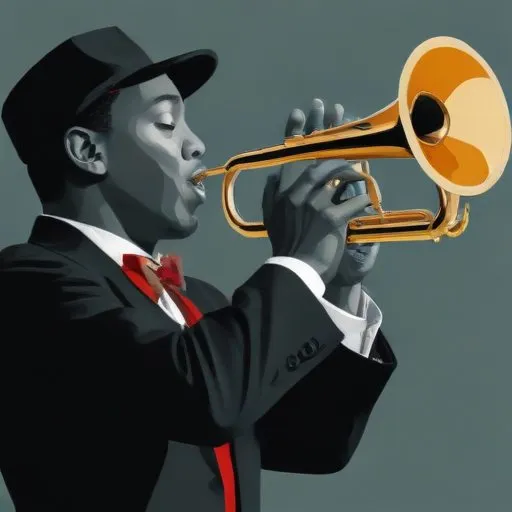
Benny Bailey: The Trumpet Maestro Behind the Scenes of Jazz History
A Legendary Sound that Transcended Borders
Benny Bailey, the American jazz trumpeter, is renowned for his versatility and unparalleled technique that left an indelible mark on the jazz scene. With a career spanning over five decades, Bailey's impressive discography and collaborations with jazz giants cement his status as a master of his craft.
Early Life and Formative Years
Born on August 13, 1925, in Cleveland, Ohio, Bailey's musical journey began with the flute and piano before he transitioned to trumpet. He attended the Cleveland Conservatory of Music, where he developed his skills under the guidance of the prestigious institution. The influence of Cleveland native
Tadd Dameron had a significant impact on Bailey's early career, shaping his unique sound and approach to jazz.
The European Odyssey
Bailey's big break came in the early 1940s when he worked with Bull Moose Jackson and
Scatman Crothers. However, it was his European tour with
Lionel Hampton that led him to remain in Europe, where he spent time in Sweden and worked with Harry Arnold's big band. This marked the beginning of Bailey's long-term association with European jazz, which became a hallmark of his career.
Collaborations and Milestones
- Bailey's work with Quincy Jones led to a brief return to the United States in 1960.
- He played at the 1960 Newport Jazz Festival, sharing the stage with jazz legends.
- In 1969, he recorded the iconic album Swiss Movement with Eddie Harris and Les McCann.
- Bailey worked with British clarinetist Tony Coe, recording albums until 2000, well into his 70s.
Discography and Legacy
Bailey's impressive discography includes:
- Quincy – Here We Come (1959)
- Big Brass (1960)
- Soul Eyes (1968)
- Folklore in Swing (1966)
- Islands (1976)
- Mirrors (1971)
Impact and Influence
Bailey's legacy extends beyond his impressive discography. He played a significant role in shaping the careers of other Cleveland musicians, such as
Albert Ayler, Bob Cunningham, Bobby Few, Bill Hardman, and Frank Wright. His influence on European jazz is still felt today, with many musicians citing him as an inspiration.
Final Years and Legacy
Benny Bailey passed away on April 14, 2005, at his home in Amsterdam, leaving behind a rich legacy that continues to inspire generations of jazz enthusiasts. His remarkable career serves as a testament to the power of perseverance, dedication, and passion for the craft.
FAQ
What was Benny Baileys role in jazz music?
Benny Bailey was an American trumpet player, songwriter, and producer, known for his work in jazz, R&B, and pop music. He was a versatile and innovative musician, respected by his peers and admired by his audiences.
How did Benny Baileys trumpet playing influence jazz?
Benny Baileys trumpet playing was characterized by his melodic sensitivity, technical mastery, and improvisational genius. He was an important influence on the development of modern jazz trumpet, inspiring future generations of musicians.
What were Benny Baileys notable recordings?
Benny Baileys notable recordings include his work with jazz legends such as Dizzy Gillespie, Thelonious Monk, and Quincy Jones, as well as his own albums, such as Benny Bailey and The Satchmo Legacy.
What was Benny Baileys approach to composition and production?
Benny Baileys approach to composition and production was eclectic and innovative, blending jazz with elements of R&B, pop, and classical music. He was a prolific composer and producer, working with a wide range of artists and bands.
What is Benny Baileys legacy in jazz and music?
Benny Baileys legacy is one of creativity, innovation, and dedication to the art of music. He remains an important figure in jazz history, remembered for his virtuosic trumpet playing, his inspiring compositions, and his contributions to the development of modern jazz.