


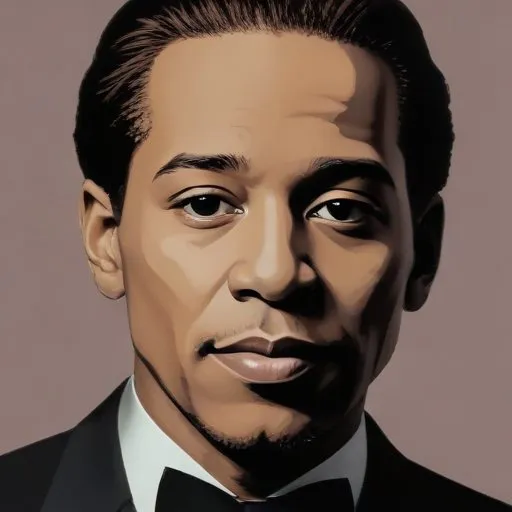
A prominent figure in bebop and modern jazz, he composed and arranged music for legendary musicians like Miles Davis and John Coltrane, leaving an indelible mark on the genre.
Renowned for his mastery of jazz composition and arrangement, Tadd Dameron is celebrated as the most influential arranger of the bebop era, leaving an indelible mark on the world of jazz. With a career spanning over two decades, Dameron's ingenious charts and harmonies continue to inspire generations of musicians and enthusiasts alike.
Born on February 21, 1917, in Cleveland, Ohio, Tadley Ewing Peake Dameron was destined for greatness. His love affair with music began at an early age, with his mother, a church organist, instilling in him a deep appreciation for classical music. Dameron's early career saw him playing piano and arranging for local bands in Cleveland, before moving to New York City in the late 1930s to pursue his dreams.
Dameron's big break came in the early 1940s when he joined Harlan Leonard and his Rockets, a prominent Kansas City-based band. This stint led to arrangements for some of the most iconic jazz musicians of the time, including Count Basie, Artie Shaw, and Dizzy Gillespie. His work with Gillespie's big band resulted in the premiere of his landmark orchestral piece, Soulphony in Three Hearts, at Carnegie Hall in 1948.
Dameron's collaborations with legendary musicians like Miles Davis, Fats Navarro, and Sonny Rollins not only showcased his mastery of jazz composition but also helped shape the sound of bebop and hard bop. His work with lyricist Carl Sigman resulted in the timeless classic, "If You Could See Me Now," which became one of Sarah Vaughan's signature songs. Dameron often credited George Gershwin and Duke Ellington as his greatest influences, reflecting his deep respect for the genre's pioneers.
Tadd Dameron's legacy extends far beyond his own music. His arrangements and compositions have inspired a new generation of jazz musicians, including Benny Golson, who credits Dameron as a significant influence on his writing. Dameron's work with rhythm and blues musicians like Bull Moose Jackson also demonstrates his ability to transcend genres.
Dameron's portfolio is replete with jazz standards, including "Hot House," "Our Delight," "Good Bait," and "Lady Bird." His arrangements for Count Basie, Artie Shaw, and Sarah Vaughan continue to delight audiences today. Two notable albums, Fontainebleau (1956) and Mating Call (1957), featuring John Coltrane, remain testaments to his innovative spirit.
Despite his remarkable achievements, Dameron's life was not without its challenges. He struggled with addiction to narcotics, which affected his career and personal life. However, his music remains a testament to his resilience and dedication to his craft.
Tadd Dameron's remarkable legacy continues to inspire and influence generations of jazz musicians and enthusiasts. His innovative arrangements, compositions, and collaborations have cemented his place as one of the most significant figures in jazz history.
Dameron's music remains an integral part of jazz heritage, ensuring his legacy will continue to thrive for generations to come.
Born in 1917
A virtuosic trumpet player and composer who revolutionized jazz with his lightning-fast solos and iconic puffy cheeks, creating a new language for the instrument. He's synonymous with bebop and modern jazz.
Born in 1920
A pioneering jazz saxophonist and composer, known for his lightning-fast solos and innovative bebop style that revolutionized jazz music. 82
Born in 1917
A jazz legend who revolutionized piano playing and composition with unorthodox techniques and harmonies, creating a unique, improvisational style that continues to inspire generations of musicians.
Born in 1926
A legendary jazz saxophonist and composer who revolutionized the genre with his innovative, spiritually-driven improvisations and iconic albums like "A Love Supreme".
Born in 1926
A legendary jazz musician who revolutionized the genre with his improvisational style and iconic albums like "Kind of Blue". He's synonymous with cool, jazzy sophistication.
Born in 1923
A virtuosic trumpet player and composer, known for his bebop style and influential recordings with top jazz musicians. His playing style was characterized by lyricism, precision, and a warm tone.
Born in 1914
A pioneering jazz drummer and bandleader who helped develop the modern jazz style, known for his innovative use of rhythmic patterns and bebop drumming techniques.
Born in 1912
A pioneering jazz musician, he orchestrated complex harmonies and rhythms, collaborating with Miles Davis on iconic albums like "Miles Ahead" and "Porgy and Bess".
