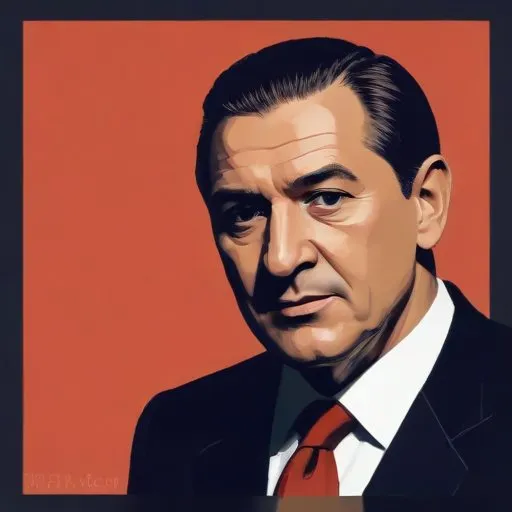
Boris Tadić: A Life of Politics and Reconciliation
A President of Unity and Progress
Boris Tadić is a Serbian politician who served as the President of Serbia from 2004 to 2012, leaving an indelible mark on the country's history. He is known for his tireless efforts to bring about reconciliation and cooperation between former Yugoslav countries, and for his commitment to leading Serbia towards a brighter future.
Early Life and Education
Born on January 15, 1958, in Sarajevo, Tadić graduated from the University of Belgrade with a degree in psychology. This academic background would serve him well in his future roles as a military psychologist, teacher, and politician.
A Career in Politics
Tadić's entry into politics came in 1990, when he joined the Democratic Party (DS). His dedication and hard work earned him a seat in the National Assembly after the 1993 election. Following the downfall of Slobodan Milošević in 2000, Tadić was appointed Minister of Telecommunications in the government of the Federal Republic of Yugoslavia, a position he held until 2003. He then became the Minister of Defence in the government of Serbia, further solidifying his reputation as a capable leader.
Presidency and Key Accomplishments
In 2004, Tadić was elected President of Serbia, a position he would hold for two terms until 2012. During his presidency, he worked tirelessly to promote cooperation and reconciliation between former Yugoslav countries. One of his most significant achievements was becoming the first Serbian head of state or head of government to visit the Srebrenica Genocide Memorial, an act that marked a significant step towards healing the wounds of the past.
Other notable accomplishments during his presidency include:
- Launching an initiative for the Serbian parliament to adopt a resolution condemning the Srebrenica massacre
- Forming a coalition government with the Socialist Party of Serbia, a former opponent
- Signing the Stabilisation and Association Agreement (SAA) with the EU
- Successfully lobbying for the abolition of visas for Serbian citizens traveling to Schengen Area countries
- Securing EU candidate status for Serbia
- Completing Serbia's obligations to the International Criminal Tribunal for the former Yugoslavia (ICTY)
Personal Milestones and Key Life Events
Throughout his life, Tadić has been driven by a passion for his country and its people. He has faced numerous challenges, including the assassination of his party leader, Zoran Đinđić, in 2003. This event led to Tadić becoming the President of the Democratic Party, a position he held until 2014.
Legacy and Impact
Boris Tadić's contributions to Serbian politics and society cannot be overstated. His presidency was marked by a commitment to reconciliation, cooperation, and progress. As a result, Serbia has become a more united and stable country, with a brighter future ahead. Tadić's legacy serves as a testament to the power of leadership and dedication, inspiring future generations to strive for a better tomorrow.
Remembering his words: "We must turn to the future, but we must not forget the past."
FAQ
What is Boris Tadićs political background?
Boris Tadić is a Serbian politician who has served as the President of Serbia from 2004 to 2012. He is a founder of the Democratic Party and has played a key role in Serbian politics for over two decades.
What are Boris Tadićs stances on key issues?
Boris Tadić is a pro-European politician who has advocated for Serbias integration into the European Union. He has also taken positions on issues related to human rights, democracy, and regional security.
How did Boris Tadić become President of Serbia?
Boris Tadić became President of Serbia after winning the 2004 presidential election, defeating incumbent President Vojislav Koštunica. He was re-elected in 2008 and served until 2012.
What awards has Boris Tadić received?
Boris Tadić has received several awards, including the European Medal of Tolerance and the prestigiousprix de la Fondation Chirac.
What is Boris Tadićs education background?
Boris Tadić earned a degree in psychology from the University of Belgrade and later studied at the University of Paris-Sorbonne.