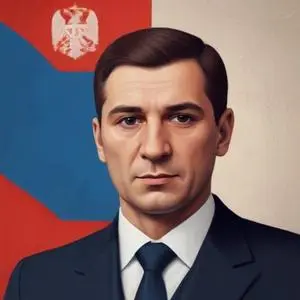
Slobodan Miloevi: The Controversial Serbian Leader
A Figure of War Crimes and Political Turmoil
Slobodan Miloevi, a Serbian politician, is infamous for being the first sitting head of state to be charged with war crimes. During his presidency, he played a major role in the Yugoslav Wars, which resulted in devastating consequences for the region.
Early Life and Rise to Power
Born on August 20, 1941, in Poarevac, Serbia, Miloevi studied law at the University of Belgrade Faculty of Law. He joined the League of Socialist Youth of Yugoslavia and quickly rose through the ranks, becoming an advisor to the mayor of Belgrade and later the chairman of large companies. His proximity to Serbian leader Ivan Stamboli helped him secure a high-ranking position in the League of Communists of Serbia (SKS) during the 1980s.
Presidency and Authoritarian Rule
Miloevi's presidency began in 1989, after he dismissed his opponents, including Stamboli. He led the Socialist Party of Serbia from its foundation in 1990 until his death. During his rule, he enacted dominant-party rule, retaining control over the state's economic resources. This led to widespread discontent, with antigovernment and antiwar protests erupting throughout Serbia.
War Crimes and International Condemnation
The International Criminal Tribunal for the former Yugoslavia (ICTY) indicted Miloevi for war crimes connected to the Bosnian War, Croatian War of Independence, and Kosovo War. The NATO bombing of Yugoslavia in 1999 further solidified his reputation as a war criminal.
Downfall and Arrest
In 2000, Miloevi resigned from the Yugoslav presidency amidst demonstrations against the disputed presidential election. He was subsequently arrested by Yugoslav federal authorities.
Legacy and Impact
Miloevi's controversial legacy continues to shape the region's politics and international relations. His actions led to the deaths of thousands and displaced millions, leaving a lasting impact on the Balkans. His trial and subsequent death in 2006 did little to alleviate the suffering of those affected by his policies.
Personal Life and Milestones
- Married to Mirjana Marković, a Serbian politician and economist
- Father of two children, Marko and Marija
- Played a significant role in the Yugoslav Wars, leading to his international condemnation
Influence on Modern Society
Miloevi's actions have had far-reaching consequences, influencing modern politics, international relations, and humanitarian law. His trial set a precedent for holding heads of state accountable for war crimes, paving the way for future prosecutions.
Quotes and Memorable Sayings
- "We will defend ourselves, but we will not attack anyone." - Slobodan Miloevi (1991)
- "The Serbian nation has never been defeated, and it never will be." - Slobodan Miloevi (1995)
Historical Context and Legacy
Miloevi's presidency coincided with the dissolution of Yugoslavia, leading to a devastating conflict that lasted for over a decade. His actions, though controversial, have contributed to a deeper understanding of the complexities of modern war crimes and the importance of holding leaders accountable.
Comparative Analysis with Contemporaries
Miloevi's authoritarian rule and war crimes are often compared to those of other notorious leaders, such as
Saddam Hussein and Muammar Gaddafi. However, his actions were distinct in their scope and brutality, earning him a unique place in the annals of modern history.
Inspirational Stories and Motivations
Despite the devastating consequences of Miloevi's actions, his story serves as a reminder of the importance of accountability and the need for international cooperation in preventing war crimes. His trial and condemnation have inspired a new generation of human rights advocates and lawyers to pursue justice for victims of war crimes.
FAQ
What were Slobodan Miloševićs key policies as President of Serbia?
Slobodan Milošević, a Serbian lawyer and politician, implemented policies that emphasized Serbian nationalism and led to conflict in the Balkans. He also implemented economic policies that contributed to Serbias economic decline.
How did Slobodan Miloševićs rule impact the Balkans?
Slobodan Miloševićs rule had significant consequences for the Balkans, including the Yugoslav Wars and the Kosovo conflict. His policies contributed to ethnic cleansing and human rights abuses.
What was Slobodan Miloševićs stance on Kosovo independence?
Slobodan Milošević opposed Kosovo independence, viewing Kosovo as an integral part of Serbia. He implemented policies to maintain Serbian control over the region, leading to conflict with Kosovo Albanians.
What were the consequences of Slobodan Miloševićs actions?
Slobodan Miloševićs actions led to international condemnation, economic sanctions, and eventually, his removal from power. He was subsequently tried for war crimes and crimes against humanity at the International Criminal Tribunal for the former Yugoslavia.
What was Slobodan Miloševićs legacy in Serbia?
Slobodan Miloševićs legacy in Serbia is complex and contentious. While he remains a divisive figure, his policies and actions continue to shape Serbian politics and identity, with many regarding him as a nationalist hero and others condemning his authoritarian rule and human rights abuses.