


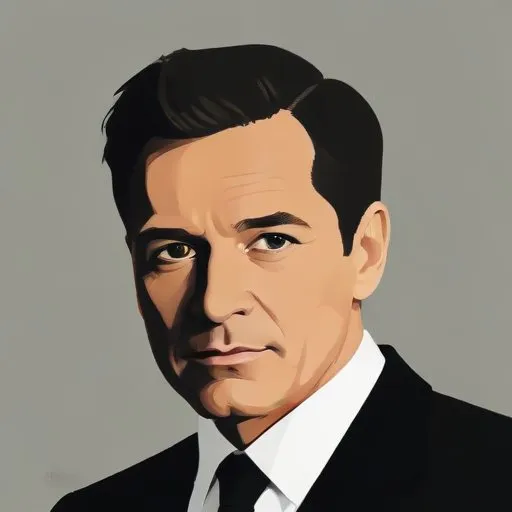
Founded the modern Olympic Games' torch relay and designed the Olympic rings, symbolizing the unity of five continents. He was a key figure in organizing the 1936 Summer Olympics in Berlin.
Carl Diem, a German sports administrator, is best known for creating the tradition of the Olympic torch relay, which debuted at the 1936 Berlin Olympic Games. As the Secretary General of the Organizing Committee, Diem played a pivotal role in shaping the modern Olympic movement, leaving an indelible mark on the world of sports.
Born on June 24, 1882, into an upper-middle-class family, Diem was an avid athlete in his youth, exceling in middle and long-distance running. This passion for sports, combined with his organizational skills, led him to found his first athletic club, Marcomannia, in 1899.
Diem's early career took him down the path of sales, but his true calling was in writing about sports. He began penning articles for sporting newspapers, which eventually led to his involvement with the German Sports Authority for Athletics (Deutsche Sportbehörde für Athletik, or DSBfA). By the age of 21, he was elected to the organization's board of directors.
Diem was deeply inspired by Pierre de Coubertin, the founder of the International Olympic Committee (IOC) and the father of the modern international Olympiad. He shared Coubertin's vision of using international sports to foster harmony between nations, believing in the heroic Olympian ideal.
Diem's Olympic journey began in 1906, when he led the German contingent of athletes to the Athens games. In 1909, he played a crucial role in securing the 1916 Olympic Games for Berlin, although the outbreak of World War I forced the cancellation of the event.
In 1912, Diem initiated the award of the German Sports Badge, modeled after a Swedish award he encountered during the Stockholm Olympics. This badge recognized athletes who demonstrated exceptional physical fitness and sporting prowess.
Diem's crowning achievement came in 1936, when he organized the Olympic torch relay, a ceremony that has since become an integral part of the Olympic Games. This innovation was a testament to his creativity and dedication to the Olympic movement.
Throughout his career, Diem received numerous accolades for his contributions to sports and athletics. He was a respected historian of sport, particularly the Olympic Games, and was recognized for his tireless efforts to promote international understanding through sports.
Carl Diem's legacy extends far beyond his creation of the Olympic torch relay. He played a pivotal role in shaping the modern Olympic movement, promoting international harmony, and inspiring generations of athletes and sports administrators. His unwavering dedication to the Olympic ideals has left an indelible mark on the world of sports.
Born in 1887
The 5th President of the International Olympic Committee, a businessman who oversaw the Olympics during a time of great change and controversy, and made decisions that still impact the games today.
Born in 1863
Founded the International Olympic Committee, reviving the ancient Greek Olympic Games and creating a global athletic phenomenon. Known for promoting international unity and athletic excellence through the modern Olympic movement.
95 Years Old
The eighth Federal President of Germany, a journalist-turned-politician who played a key role in shaping the country's post-reunification era, known for his commitment to European integration and social justice.
96 Years Old
The first unified Germany's leader, who oversaw the country's reunification after the Berlin Wall's fall, and is credited with creating a strong, stable economy.
82 Years Old
The 7th Chancellor of Germany, a lawyer-turned-politician, led the country from 1998 to 2005, implementing significant economic and social reforms. He's known for his efforts to modernize Germany and strengthen the European Union.
72 Years Old
The first female Chancellor of Germany, serving for 16 years, known for her leadership during the European sovereign-debt crisis and her role in shaping the European Union's policy. She's a highly influential figure in modern politics.
80 Years Old
A German football legend who won the World Cup as both a player and manager, known for his innovative style and leadership on the pitch.
