


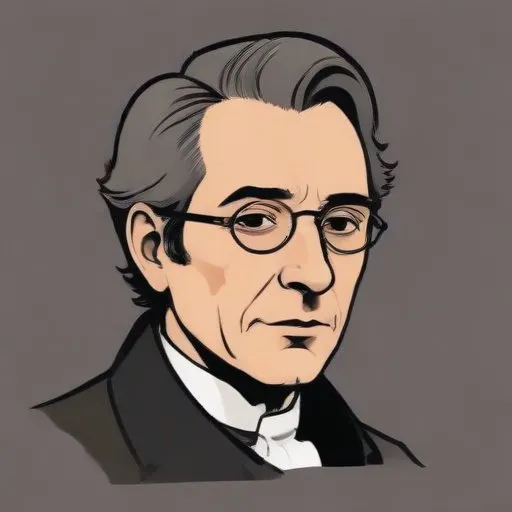
A renowned German musician who made significant contributions to the development of classical music, particularly in the fields of composition and education. He was a key figure in the revival of interest in Bach's music.
Known for his incredible compositions and mentorship to some of the most iconic figures in music, Carl Friedrich Zelter was a German composer, conductor, and teacher of music who left an indelible mark on the world of classical music.
Born on December 11, 1758, in Berlin, Germany, Zelter was a self-taught musician who honed his craft while working in his father's bricklaying business. This unlikely combination of skills would later serve him well as he went on to become one of the most respected music teachers of his time.
Zelter's friendship with the renowned German poet Johann Wolfgang von Goethe was a defining aspect of his life and career. The two men shared a deep love for music and poetry, and Zelter would go on to set many of Goethe's poems to music. This collaboration would result in some of Zelter's most beloved works, including lieder and cantatas.
Zelter's pupils included some of the most talented musicians of the time, including Felix Mendelssohn, Fanny Mendelssohn, Giacomo Meyerbeer, Eduard Grell, Otto Nicolai, Johann Friedrich Naue, and Heinrich Dorn. Among them, Mendelssohn was perhaps Zelter's favorite pupil, and he would go on to play a significant role in the revival of Bach's St. Matthew Passion.
Zelter's passion for Bach's music was contagious, and he instilled this love in his pupils, including Mendelssohn. In 1829, Mendelssohn would go on to revive Bach's St. Matthew Passion at the SingAkademie under Zelter's auspices, sparking a reevaluation and revival of Bach's works that would change the course of music history.
Zelter was married twice, first to Sophie Eleonora Flricke, ne Kappel, and then to Julie Pappritz, a well-known singer at the Berlin Opera, in 1796. He was buried at the Sophienkirche in Berlin, leaving behind a legacy that would inspire generations to come.
Zelter's life and legacy serve as a testament to the power of mentorship and the importance of preserving and promoting the music of the past. His contributions to the world of classical music continue to inspire and influence musicians to this day, ensuring that his legacy will endure for generations to come.
Born in 1809
A renowned 19th-century musician who masterfully blended classical and romantic styles, creating iconic works like the "Wedding March" and "Elijah" oratorio. His compositions continue to inspire and influence generations of artists.
Born in 1810
A renowned Romantic-era composer and influential music critic, known for his expressive and emotionally charged works, including symphonies, piano music, and art songs.
Born in 1833
A renowned pianist and composer, he crafted complex, expressive works that blended traditional and innovative techniques, leaving an indelible mark on classical music.
Born in 1811
A virtuosic pianist and composer who revolutionized classical music with his technically demanding and emotionally expressive works, blending Hungarian folk influences with Romantic-era drama.
Born in 1813
A revolutionary composer who transformed opera with his epic, mythological works, creating a new era of musical storytelling. His iconic operas, such as "Der Ring des Nibelungen," continue to captivate audiences worldwide.
Born in 1813
A renowned composer of iconic operas like La Traviata and Aida, known for his masterful blending of drama and music. His works continue to captivate audiences worldwide.
Born in 1803
A French Romantic-era mastermind who composed iconic symphonies, operas, and orchestral works, revolutionizing classical music with his bold, expressive style.
Born in 1782
A virtuosic violinist and composer who revolutionized the instrument's technical possibilities, leaving an indelible mark on classical music.
