


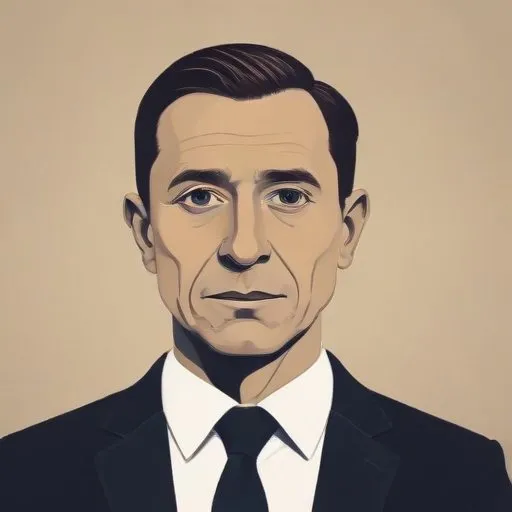
Estonian journalist and politician who advocated for Estonian independence from Russia and was a key figure in the country's struggle for self-governance. He's known for his passionate writings and speeches that inspired a nation.
Carl Robert Jakobson was a pioneering Estonian writer, politician, and teacher who played a crucial role in the national awakening of Estonia in the second half of the 19th century. He is revered for his tireless efforts to promote Estonian culture, language, and identity, and his contributions paved the way for Estonia's eventual independence.
Born on July 14, 1841, in the Governorate of Livonia, Russian Empire, Jakobson was driven by a deep sense of national pride and a desire to bring about positive change. He pursued a career in teaching, which allowed him to connect with the local community and instill in them a sense of Estonian identity.
Jakobson's political activism began in the 1860s, when he became the leader of the radical wing of the Estonian national movement. He passionately advocated for widespread reforms in Livonia, seeking equal political rights for Estonians and an end to the privileged position of the Baltic-German nobility. His progressive ideas resonated with the people, earning him a reputation as a champion of Estonian rights.
In 1878, Jakobson founded the Estonian newspaper Sakala, which quickly became a beacon of cultural awakening. Through its pages, he promoted Estonian literature, art, and culture, providing a platform for Estonian writers and intellectuals to express themselves. The newspaper played a vital role in shaping Estonian national consciousness and identity.
Jakobson was instrumental in establishing the Society of Estonian Literati, an influential Estonian association that brought together writers, intellectuals, and artists. The society provided a platform for discussing and promoting Estonian culture, language, and literature, further solidifying Jakobson's reputation as a champion of Estonian identity.
Carl Robert Jakobson's untimely death on March 19, 1882, at the age of 40, was a devastating blow to the Estonian national movement. However, his legacy continued to inspire generations of Estonians, and his contributions to Estonian culture and identity remain unparalleled.
In 1948, Jakobson's oldest daughter, Linda, established the Museum of Carl Robert Jakobson in their family estate in Kurgja. The museum showcases Jakobson's life and activities, providing a glimpse into rural life in Estonia during his lifetime. The main house of the museum features an exhibition that introduces visitors to Jakobson's remarkable life, while the surrounding farm remains an active testament to Estonia's agricultural heritage.
Jakobson's legacy was further cemented when his portrait was featured on the 500 kroon banknote, a testament to his enduring impact on Estonian society.
Today, Carl Robert Jakobson is revered as a national hero, a visionary leader who fought tirelessly for Estonian rights and identity. His contributions to Estonian literature, culture, and politics continue to inspire generations, ensuring his legacy endures for generations to come.
Born in 1874
Estonia's first president, a key figure in the country's struggle for independence from Russia, served as a unifying force during tumultuous times. He's remembered for his role in shaping Estonia's early years and its path to sovereignty.
Born in 1868
Estonia's 2nd Prime Minister, a pioneering journalist, lawyer, and politician who played a crucial role in the country's struggle for independence and development. He's most known for his efforts to establish a democratic government and promote national unity.
Born in 1884
Estonia's 7th Prime Minister, a lawyer and politician who played a crucial role in shaping the country's early years of independence, known for his diplomatic efforts and national unification.
Born in 1890
A prominent Estonian leader who served as the country's Prime Minister during a tumultuous period, guiding Estonia through World War II and the Soviet occupation. He's revered for his bravery and statesmanship during Estonia's struggle for independence.
Born in 1886
Estonia's Head of State during World War II, leading the country's government-in-exile and advocating for independence from Soviet occupation. He played a crucial role in preserving Estonia's sovereignty and identity.
Born in 1888
Estonian journalist and politician who served as the 6th Prime Minister of Estonia, known for his leadership during the country's interwar period and his role in shaping the nation's early years of independence.
Born in 1875
Estonia's second Prime Minister, a lawyer and politician, played a crucial role in shaping the country's early years, serving as a key figure in its struggle for independence. He's most known for his efforts in establishing Estonia's sovereignty and democratic government.
Born in 1872
Estonia's 7th State Elder, a prominent lawyer and politician, played a crucial role in shaping the country's early 20th-century government and politics. He's most known for his efforts in establishing Estonia's independence and sovereignty.
