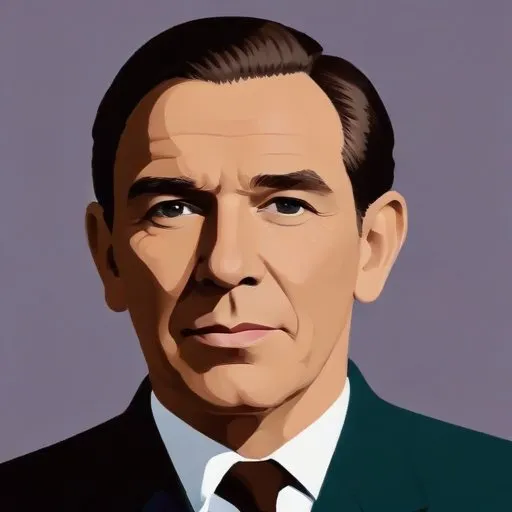
Carlisle Floyd: The Father of American Opera
A Legacy of Storytelling through Music
Carlisle Floyd, the renowned American composer, has left an indelible mark on the world of opera. Primarily known for his operas, which he not only composed but also wrote the librettos for, Floyd's works typically engage with themes from the American South, delving into the complexities of the post-Civil War era, the Great Depression, and rural life.
Early Life and Education
Born on June 11, 1926, in Latta, South Carolina, Carlisle Floyd was raised in a family steeped in Southern tradition. His father, a Methodist minister, and his mother, who enjoyed music and poetry, instilled in him a deep appreciation for the arts. Floyd's upbringing in the South exposed him to the region's unique cultural landscape, which later influenced his work.
Susannah: A Masterpiece Born
Floyd's magnum opus,
Susannah, premiered at Florida State University in 1955, with
Phyllis Curtin in the title role. The opera, based on a story from the Biblical Apocrypha, transferred to contemporary rural Tennessee and written in a Southern dialect, initially received a mixed reception. However, subsequent performances led to a surge in
Susannah's reputation, and it quickly became one of the most performed American operas.
A Teacher and Mentor
In 1976, Floyd became the M. D. Anderson professor at the University of Houston, where he co-founded the Houston Opera Studio for the training of young singers. As a teacher and mentor, Floyd nurtured the talents of many aspiring artists, solidifying his legacy as a champion of American opera.
Awards and Honors
Throughout his illustrious career, Floyd received numerous accolades, including the National Medal of Arts, the Guggenheim Fellowship, and the
Edward MacDowell Medal. His contributions to the world of opera have been recognized by institutions such as the Juilliard School, the Curtis Institute of Music, and the New York City Opera.
Philosophical Contributions and Beliefs
Floyd's operas often explored themes of social justice, morality, and the human condition. His work reflects a deep understanding of the complexities of the American South, and his commitment to telling stories that mattered. As Floyd once said, "The thing that I'm most concerned with is the human experience... I think that's what opera is all about."
Personal Milestones and Key Life Events
- 1926: Born in Latta, South Carolina
- 1955: Premiere of Susannah at Florida State University
- 1976: Became M. D. Anderson professor at the University of Houston
- 2004: Received the National Medal of Arts
- 2021: Passed away on September 30, at the age of 95
Legacy and Impact
Carlisle Floyd's contributions to American opera have been immense. As the "Father of American Opera," he has paved the way for generations of composers, librettists, and performers. His operas continue to be performed and admired, ensuring that his legacy will endure for years to come. As Floyd himself once said, "I hope that my music will be of some use to the world, and that it will outlast me."
FAQ
What is Carlisle Floyds most famous opera?
Carlisle Floyds most famous opera is Susannah, a powerful and emotional exploration of faith, identity, and redemption. The opera has been performed around the world and is considered an American classic.
What themes did Carlisle Floyd explore in his operas?
Carlisle Floyds operas often explored themes of love, identity, and the human condition. His work was characterized by its emotional intensity, complex characters, and exploration of the American experience.
How did Carlisle Floyds Southern roots influence his composition?
Carlisle Floyds Southern upbringing deeply influenced his composition, with many of his operas exploring aspects of Southern culture, history, and identity. His music often reflected the complexities and contradictions of the American South.
What was Carlisle Floyds approach to composition?
Carlisle Floyd was known for his innovative approach to composition, which often blended elements of opera, musical theatre, and American folk music. His music was characterized by its lyricism, emotion, and accessibility.
What awards did Carlisle Floyd receive for his composition?
Carlisle Floyd received numerous awards for his composition, including the Guggenheim Fellowship, the National Medal of Arts, and the Opera America Award.