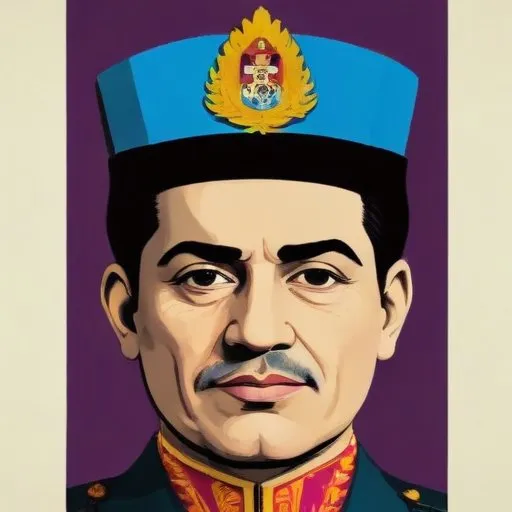
Carlos Castillo Armas: The Authoritarian Leader Who Shaped Guatemala's Fate
A Presidential Legacy of Controversy and Conquest
Carlos Castillo Armas, the 28th president of Guatemala, is known for his authoritarian leadership and his role in shaping the country's destiny through a series of events that would have a lasting impact on its politics, economy, and society. Castillo Armas's presidency, which lasted from 1954 to 1957, was marked by controversy, bloodshed, and a consolidation of power that would leave an indelible mark on the country's history.
A Military Officer's Rise to Power
Born on November 4, 1914, to a planter out of wedlock, Castillo Armas's early life was marked by scandal and uncertainty. However, he would go on to defy the odds and rise through the ranks of Guatemala's military academy, where he was educated. A protégé of Colonel
Francisco Javier Arana, Castillo Armas joined Arana's forces during the 1944 uprising against President Federico Ponce Vaides, which marked the beginning of the Guatemalan Revolution and the introduction of representative democracy to the country.
A Career of Power Grabs and Coup Attempts
Castillo Armas's career was marked by a series of power grabs and coup attempts, including a failed 1949 coup against President Juan José Arévalo and a subsequent exile in Honduras. However, it was his 1950 failed assault on Guatemala City, backed by the United States Central Intelligence Agency (CIA), that would bring him to the attention of the US government. In 1952, the US government of President Harry Truman authorized Operation PBFortune, a plot to overthrow Arévalo's successor, President
Jacobo Árbenz, with Castillo Armas at the helm.
The CIA-Backed Coup That Changed Guatemala's Course
On June 18, 1954, Castillo Armas led 480 CIA-trained soldiers into Guatemala, backed by US-supplied aircraft. Despite initial setbacks to the rebel forces, US support for the rebels made the Guatemalan army reluctant to fight, and Árbenz resigned on June 27. A series of military juntas briefly held power during negotiations that ended with Castillo Armas assuming the presidency on July 7.
A Presidency Marked by Authoritarianism and Repression
Castillo Armas's presidency was marked by authoritarianism and repression, as he consolidated his power through a series of decrees and policies that restricted civil liberties and crushed opposition. His government was closely allied with the United States, and he implemented a series of economic reforms that favored foreign investors, particularly the United Fruit Company.
Personal Milestones and Key Life Events
- Born on November 4, 1914, to a planter out of wedlock
- Graduated from Guatemala's military academy
- Joined Colonel Francisco Javier Arana's forces during the 1944 uprising against President Federico Ponce Vaides
- Fled to Honduras after a failed 1949 coup against President Juan José Arévalo
- Led a failed assault on Guatemala City in 1950, backed by the CIA
- Assumed the presidency on July 7, 1954, after the CIA-backed coup
Historical Context and Legacy
Castillo Armas's presidency was marked by a series of controversies and human rights abuses, including the repression of peasants, workers, and political opponents. His government's close alliance with the United States and its implementation of neoliberal economic policies would have a lasting impact on Guatemala's economy and society. Today, Castillo Armas is remembered as a controversial figure who shaped Guatemala's fate through his authoritarian leadership and his role in the 1954 coup.
Comparative Analysis with Contemporaries
Castillo Armas's leadership style and policies were similar to those of other authoritarian leaders in Latin America during the Cold War era, including
Fulgencio Batista in Cuba and Anastasio Somoza in Nicaragua. His government's close alliance with the United States and its implementation of neoliberal economic policies were also typical of the era.
Influence on Modern Society
Castillo Armas's presidency had a lasting impact on Guatemala's society and economy, with his government's policies and actions shaping the country's development and growth. His legacy continues to be felt today, with many Guatemalans still grappling with the consequences of his authoritarian rule and the country's ongoing struggle for democracy and social justice.
FAQ
What was Carlos Castillo Armas role in Guatemalan politics?
Carlos Castillo Armas was an authoritarian ruler of Guatemala who seized power in a military coup and ruled the country from 1954 to 1957, implementing a range of repressive policies.
What was Carlos Castillo Armas early life and career?
Carlos Castillo Armas was born in Guatemala City and began his military career at a young age, eventually rising through the ranks to become a prominent figure in Guatemalan politics.
What was Carlos Castillo Armas political ideology?
Carlos Castillo Armas was a right-wing authoritarian who believed in suppressing dissent and maintaining order through force, ruling Guatemala with an iron fist during his time in power.
How did Carlos Castillo Armas rule impact Guatemala?
Carlos Castillo Armas rule had a profound impact on Guatemala, suppressing democratic freedoms and human rights, and paving the way for future authoritarian rulers.
What is Carlos Castillo Armas legacy in Guatemalan politics?
Carlos Castillo Armas legacy in Guatemalan politics is one of repression, authoritarianism, and human rights abuses, leaving a lasting impact on the countrys political landscape.