


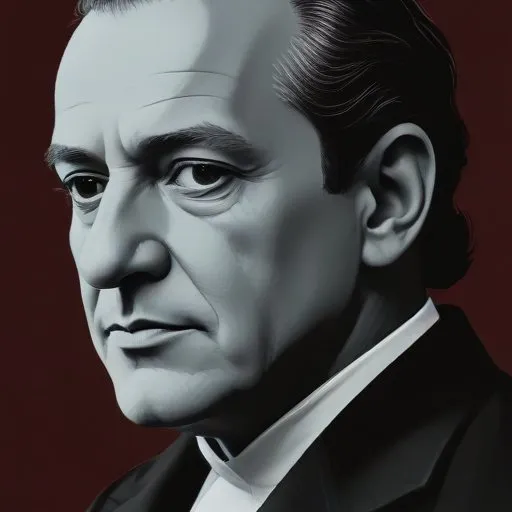
A renowned Argentine composer, he is celebrated for his contributions to classical music, particularly in the realm of art song, blending folk elements with sophisticated harmonies.
Renowned Argentine composer Carlos Guastavino is celebrated for his extensive repertoire of over 500 works, primarily comprising songs for piano and voice, which have captivated audiences with their rich, romantic, and folk-inspired melodies. Dubbed the "Schubert of the Pampas," Guastavino's compositions have earned him a reputation as one of Argentina's most distinguished composers.
Born on April 5, 1912, in Santa Fe Province, Argentina, Guastavino's musical journey began under the guidance of Esperanza Lothringer and Dominga Iaffei in Santa Fe, and later with Athos Palma in Buenos Aires. His exceptional talent as a pianist led to invitations from the BBC to perform his piano works in London in 1947, 1948, and 1949, as well as a scholarship from the British Council.
Guastavino's musical style defied the avant-garde trends of his time, embracing a conservative, tonal, and romantic approach that resonated with the essence of Argentine folk music. His melodies were characterized by lush harmonies, nuanced rhythms, and a deep understanding of the human voice. This unique blend has made his songs, such as "Pueblito, mi pueblo," "La rosa y el sauce," and "Se equivocó la paloma," national treasures.
Guastavino's works have been championed by an impressive roster of celebrated performers, including Teresa Berganza, Martha Argerich, Gidon Kremer, Jos Carreras, Kiri Te Kanawa, and Jos Cura, among others. His compositions have been featured in numerous recordings and performances worldwide, solidifying his position as a leading figure in Argentine classical music.
In 1956, Guastavino embarked on a tour of the USSR and China, showcasing his pieces for voice and piano to international audiences. This tour, coupled with his earlier performances in London, cemented his reputation as a masterful pianist and composer.
Guastavino's remarkable contributions to Argentine music earned him a significant income from royalties and performing rights, allowing him to focus solely on his craft. His legacy extends beyond his own country, with his music continuing to inspire new generations of composers, performers, and music lovers alike.
Through his extensive oeuvre, Carlos Guastavino has left an indelible mark on the world of classical music, forever changing the landscape of Argentine cultural heritage.
Born in 1921
Revolutionized Argentine tango with bold, jazz-infused compositions and virtuosic bandoneon playing, blending traditional and modern styles. His music evokes passion, drama, and sensuality.
Born in 1916
A virtuosic pianist and composer who blended folk melodies with modernist techniques, creating a unique sound that resonated with audiences worldwide. His ballet scores, such as "Estancia," remain iconic in the classical music canon.
Born in 1892
A French composer and educator who blended jazz and classical music to create a unique sound, and is best known for his ballet scores and chamber music compositions.
Born in 1899
A renowned French pianist and composer, celebrated for his eclectic and innovative works that blend jazz, classical, and sacred music, leaving a lasting impact on modern classical music.
Born in 1866
A pioneering composer of minimalist and avant-garde music, known for his unconventional and humorous approach to classical music, creating a new kind of simplicity and clarity. His music often featured repetitive patterns and witty titles.
Born in 1862
A renowned French pianist and composer who revolutionized classical music with his unique, dreamy, and unconventional style, creating iconic works like "Clair de Lune" and "Prelude to the Afternoon of a Faun".
Born in 1875
A renowned French musician who blended classical and modern styles, creating iconic works like "Bolero" that continue to mesmerize audiences with their beauty and complexity.
